
Input costs for lithium and carbon fiber in our Chengdu factory fluctuate wildly lithium and carbon fiber 1, threatening budget stability for partners who need reliable fleets for the coming season.
Evaluate suppliers by auditing their inventory depth for critical components like batteries and motors. Review their long-term material contracts, request transparent price adjustment policies, and verify vertical integration levels to ensure they can absorb cost fluctuations without compromising quality or delivery timelines.
Here is how you can assess a manufacturer’s resilience against volatile markets.
How do I determine if a drone manufacturer has enough inventory to buffer against price spikes?
Seeing a production line halt due to a missing motor is a nightmare we work hard to avoid, as it delays your critical spraying schedules.
Ask specific questions about their stock levels for high-volatility items like lithium cells and flight controllers. A reliable supplier should hold at least three to six months of critical component inventory to shield your orders from immediate global price surges.
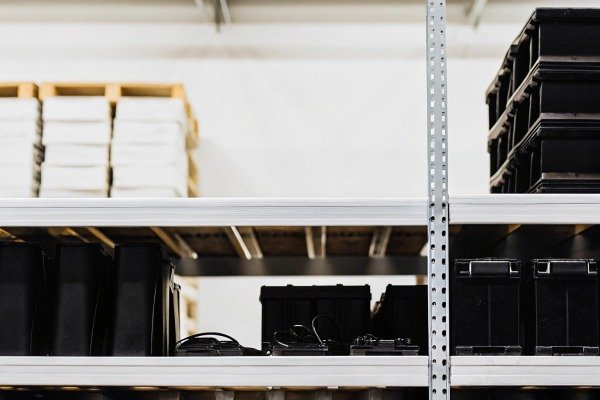
When we plan our production schedules in Xi'an, we know that the agricultural season does not wait for supply chain delays. supply chain delays 2 A supplier's inventory strategy is your first line of defense against rising prices. If a manufacturer operates strictly on a "Just-in-Time" (JIT) model 3 "Just-in-Time" (JIT) model, they are immediately exposed to spot market spot market prices 4 prices. If the price of copper or aluminum jumps on Monday, their production costs rise on Tuesday, and they may try to pass that cost to you.
Auditing the "Safety Stock" Strategy
You need to verify if the supplier practices a "Just-in-Case" (JIC) philosophy for volatile components. In our experience, the most critical components prone to price spikes are batteries (lithium), motors (copper and magnets), and carbon fiber frames. carbon fiber frames 5 During your evaluation, ask for a virtual or physical tour of their raw material warehouse. You want to see pallets of motors and stacks of carbon fiber sheets that are not allocated to immediate orders. This buffer allows the manufacturer to average out their costs. If raw material prices spike for two months, they can keep your price stable by using existing stock.
The Role of Tier 2 Supplier Relationships
It is not just about what is in the drone factory; it is about the relationships with component makers. We often secure supply priority with our battery partners by forecasting demand six months ahead. You should ask your potential supplier about their standing with their suppliers. Do they have priority allocation? If a battery shortage occurs, will they be the first to get stock, or the last? A manufacturer with strong upstream relationships can shield you from volatility because they have secured stock at older, lower prices.
Key Inventory Indicators to Check
To help you audit a supplier, we have compiled a checklist of what to look for regarding inventory health.
| Critical Component | Volatility Risk | Recommended Inventory Buffer | Why It Matters to You |
|---|---|---|---|
| LiPo Batteries | High (Lithium prices) | 3–6 Months | Prevents sudden price hikes on the most expensive consumable. |
| Brushless Motors | Medium (Copper/Magnets) | 2–4 Months | Ensures consistency in propulsion power; avoids batch mixing. |
| Carbon Fiber | Medium (Petroleum based) | 4–6 Months | Guarantees frame strength consistency; buffers against oil price shifts. |
| Flight Controllers | High (Chip shortage) | 6–12 Months | Critical for functionality; shortages cause total production stops. |
By verifying these buffers, you confirm that the supplier is financially stable enough to hold inventory, which directly correlates to their ability to offer stable pricing to you.
What contract terms should I request to protect my orders from sudden material cost surcharges?
Surprise invoices for “material surcharges” can destroy your profit margins on a fleet deal, something we strive to prevent through clear upfront agreements.
Negotiate fixed-price guarantees for a specific duration, typically six to twelve months. Include clauses that define specific indices for allowable price adjustments and cap the maximum percentage increase per year to prevent open-ended financial exposure.

In international trade, ambiguity is the enemy. international trade 6 When we draft contracts for our US partners, we aim for clarity because it builds long-term trust. As a buyer, you must be proactive in defining how price changes are handled. A standard quotation might be valid for 30 days, but your procurement cycle might be six months or longer. Without protective clauses, you are vulnerable to "force majeure" claims related to supply chains force majeure 7.
The Power of Fixed-Price Windows
You should demand a "Price Lock" period. For agricultural drones, which are often purchased in off-season preparation for the planting season, a 6-month lock is reasonable. This requires the manufacturer to purchase their materials in advance. If we know you are committed to buying 50 units over the next year, we can go to our material suppliers and lock in our costs, passing that stability on to you. If a supplier refuses a price lock even with a volume commitment, it is a red flag that they lack capital or confidence in their supply chain.
Defining Acceptable Price Escalation
Eventually, prices may need to rise if inflation persists. However, this should not be arbitrary. You should request an "Index-Based Adjustment" clause. This means the drone price can only increase if a public index (like the London Metal Exchange 8 London Metal Exchange for aluminum or a global Lithium index) rises by a certain percentage. This removes the "black box" of pricing. If a supplier claims their costs went up 20%, but the raw material index only moved 5%, you have grounds to contest the surcharge.
Volume Commitment for Price Stability
Suppliers are more willing to absorb small material cost increases if they have volume security. We often structure deals where the unit price is fixed, provided the distributor takes delivery of a set number of units per quarter. This helps us optimize our factory utilization. You can use this leverage to negotiate a "Cap on Increases." For example, agree that regardless of raw material costs, the price for the contract term will not rise by more than 5%.
Recommended Contract Clauses
Below is a breakdown of specific terms you should introduce during negotiation.
| Clause Name | Purpose | Benefit to Buyer |
|---|---|---|
| Fixed Price Validity | Locks unit price for a set date range (e.g., Jan 1 – Dec 31). | predictable budgeting for the fiscal year. |
| Material Cap | Limits the maximum price increase to X% (e.g., 5%). | Protects against runaway inflation or hyper-volatility. |
| Notification Period | Requires 60-90 days notice before price changes. | Gives you time to stock up at the old price or adjust your own pricing. |
| Surcharge Transparency | Requires proof of cost increase (invoices/indices) to justify hikes. | Prevents the supplier from padding margins under the guise of inflation. |
How can I verify that the supplier will not swap in cheaper parts when raw material prices rise?
A silent switch to inferior motors to save cost compromises flight safety, a risk our engineering team eliminates by adhering to strict bill of materials.
Implement a strict “No Unauthorized Changes” clause in your purchase agreement requiring written approval for any component substitution. Demand random pre-shipment inspections and request full traceability documentation for key parts like batteries and motors to ensure consistent quality.

This is perhaps the most insidious risk in manufacturing. When the price of high-grade neodymium magnets skyrockets, the temptation for some manufacturers to switch to a lower-grade motor is high. To the naked eye, the drone looks identical. However, the flight time might drop by 15%, or the motor might overheat under a full payload. We have seen competitors do this, and it results in catastrophic failures for the end-user.
The "Golden Sample" Protocol
Before you place your bulk order, you should have received a demo unit or a "Golden Sample." Your contract must state that all subsequent production units must match the specifications of this sample exactly. If we change a supplier for the Electronic Speed Controller (ESC) or the carbon fiber weave, it creates a new product version. You must enforce that the Bill of Materials (BOM) is locked. Bill of Materials 9
Pre-Shipment Inspections (PSI)
Do not rely solely on trust. You or a third-party agency should perform random inspections before the goods leave the factory. During these inspections, you can request to open the casing of a drone. Check the markings on the chips, the brand on the capacitors, and the weight of the battery cells. High-quality battery cells have specific weights; if a battery is significantly lighter, it often means less active material and lower capacity. We encourage our clients to visit our Chengdu facility to see the testing process, as it validates our adherence to the spec sheet.
Traceability and Component Certifications
Ask the supplier if they track components by serial number. In our system, we know exactly which batch of motors went into Drone #105. If a supplier cannot trace their parts, they likely buy from the cheapest available spot market vendor that week. You should request "Certificates of Conformity" (CoC) for critical sub-assemblies. This document certifies that the parts meet the original design standards.
Verification Checklist
Here is how you can verify component integrity without being an engineer.
| Component | What to Check | Red Flag |
|---|---|---|
| Motors | Labeling, weight, and coil winding color. | Generic labels, no serial numbers, overheating during hover test. |
| Frame Arms | Stiffness and surface finish of carbon fiber. | Flexible arms (glass fiber mix), rough edges, cracks under stress. |
| Wiring | Wire gauge (thickness) and connector brand. | Thinner wires (high resistance), generic plastic connectors that melt. |
| Nozzles | Spray pattern consistency. | Uneven spray, dripping (indicates cheaper pump or diaphragm). |
By making it clear that you check these details, you signal to the supplier that "silent swaps" will be detected and rejected.
Does the company have a transparent policy for communicating necessary price adjustments?
Learning about a price hike the day before shipping breaks trust, which is why we prioritize open dialogues about global supply chain trends early on.
Look for suppliers who provide regular market intelligence updates and strictly defined notice periods before any price change takes effect. A transparent partner shares the specific data driving the increase and offers options to mitigate costs through volume or timing.

Communication style is a soft skill that reveals hard truths about a supplier's stability. When raw material prices rise, a reactive supplier hides the problem until the last possible moment, fearing you will cancel the order. A proactive partner, on the other hand, views you as an ally. We believe that if we explain why costs are moving—showing the data on lithium shortages or currency exchange fluctuations—our partners can make better decisions. currency exchange fluctuations 10
Warning Signs of Opaque Pricing
Be wary of suppliers who give vague reasons for price increases like "rising costs" without specifics. If they cannot tell you exactly which component is driving the increase (e.g., "The microcontroller unit price went up $5 due to the shortage"), they might just be increasing their margin. Another red flag is the "bait and switch," where the price changes after the deposit is paid. A transparent policy will explicitly state that once a deposit is received, the price for that batch is frozen.
The "Open Book" Approach
While full open-book costing is rare, a degree of it is necessary for long-term partnerships. You should ask: "How do you calculate your surcharges?" A good answer sounds like this: "We review raw material costs quarterly. If the aggregate cost rises by more than 3%, we adjust the price list for the next quarter." This predictability allows you to warn your own customers or adjust your budget.
Constructive Mitigation Strategies
A transparent supplier does not just dump the cost on you; they offer solutions. When we faced rising logistics costs, we worked with clients to optimize pallet packing, fitting more drones into a container to lower the per-unit shipping cost. Ask your potential supplier: "If prices go up, how can we work together to keep the final cost down?" If they suggest removing non-essential accessories, optimizing packaging, or scheduling shipments during lower-rate periods, they are thinking strategically about your success.
Evaluating Communication Channels
- Regular Updates: Do they send newsletters or updates regarding the industry supply chain?
- Dedicated Account Manager: Is there a single point of contact who understands your business history?
- Crisis Response: Ask them for a past example of how they handled a sudden cost spike. Did they honor existing POs?
Ultimately, you are not just buying a drone; you are buying the supplier's ability to manage a crisis. If they communicate clearly and honestly, you can navigate price inflations together without disrupting your business operations.
Conclusion
Evaluate inventory buffers, lock in fixed-price contracts, verify component quality against swaps, and demand transparent communication to secure your fleet investment against market volatility.
Footnotes
1. Official USGS data on lithium and carbon fiber mineral commodities and market trends. ↩︎
2. Academic overview of supply chain management and the impact of delays on production. ↩︎
3. General background definition of the specific inventory strategy mentioned. ↩︎
4. Definition and mechanics of spot market pricing and its volatility in manufacturing. ↩︎
5. Technical specifications from a leading global manufacturer of carbon fiber materials. ↩︎
6. Official UK government guidance on international trade regulations and contract clarity. ↩︎
7. Legal definition of force majeure clauses in supply chain contracts. ↩︎
8. Official website of the specific commodities exchange authority cited. ↩︎
9. ISO standards related to product data and bill of materials management in manufacturing. ↩︎
10. Real-time reporting on global currency fluctuations affecting international manufacturing costs. ↩︎



 English
  Español de México
  Deutsch
  Français
  Русский
  العربية
Comments
No comments yet. Be the first to share your thoughts!
Leave a Comment