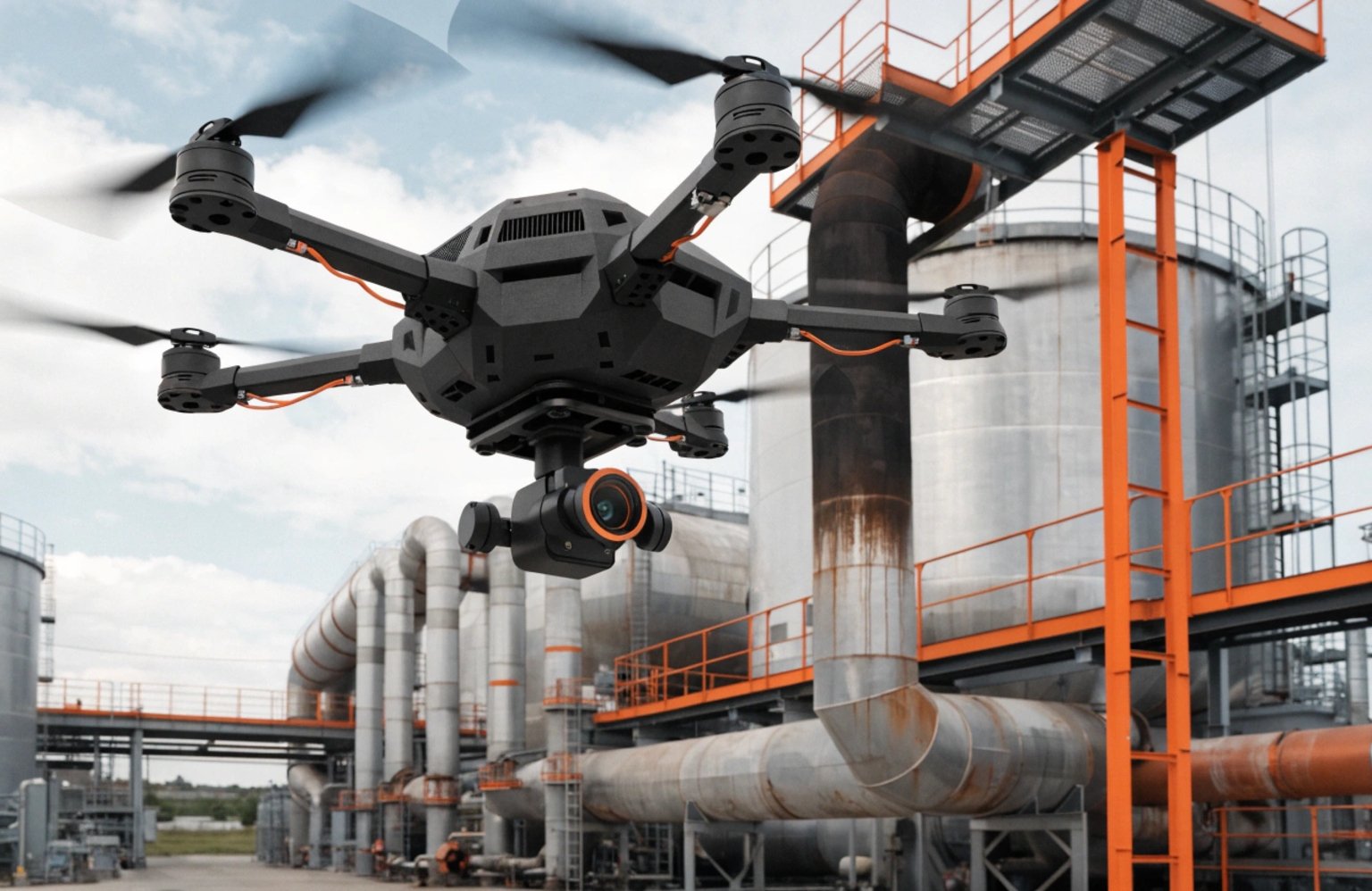
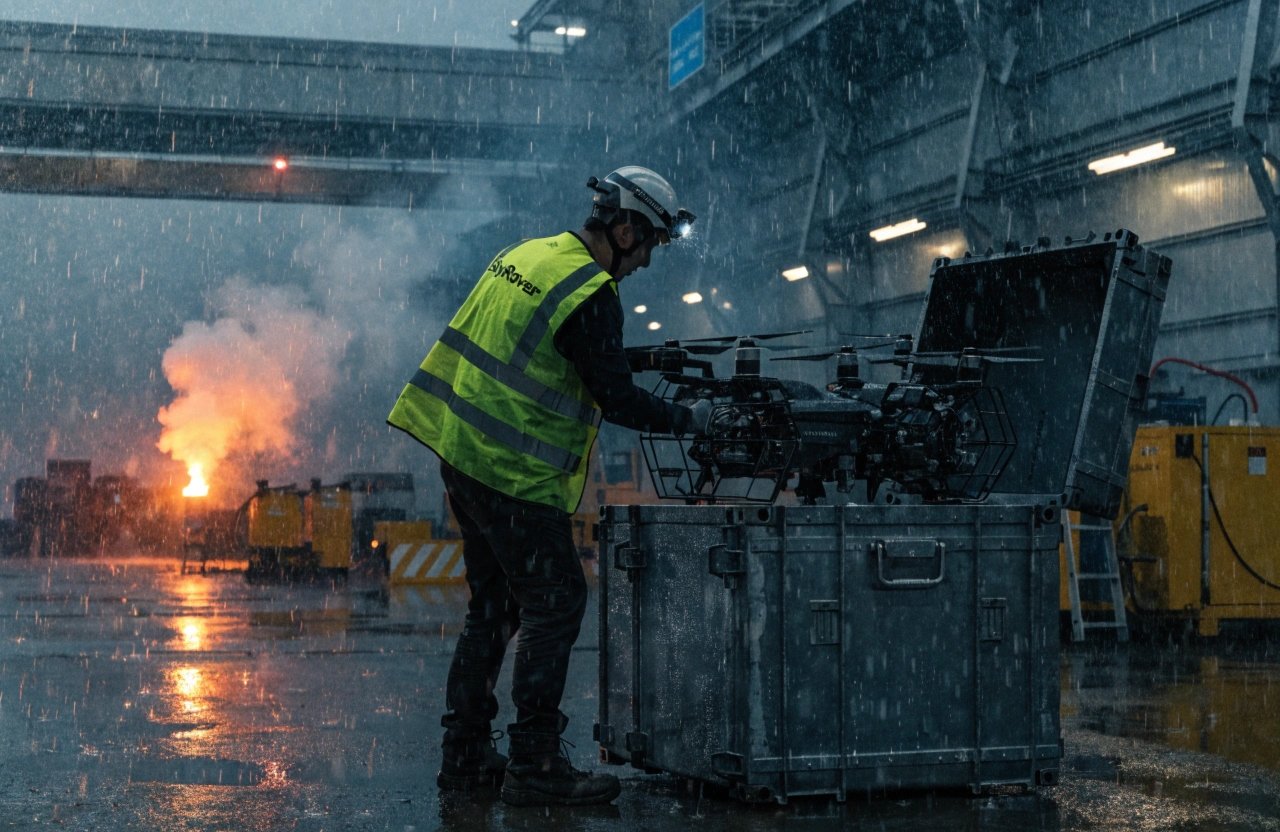
Навигация в сложном мире промышленные дроны 1 может показаться сложной. В SkyRover мы видим, как многие покупатели испытывают трудности с сопоставлением технологий с реальными риски возгорания 2, что приводит к пустой трате бюджета и пробелам в безопасности.
Чтобы выбрать правильный пожарный дрон, вы должны расставить приоритеты операционных целей, опасностей на конкретном объекте, таких как хранение химикатов, и соблюдения нормативных требований. Определите, нужна ли вам ранняя тепловая детекция или активное подавление. Это гарантирует, что платформа будет соответствовать среде вашего конкретного MRO-предприятия, а также требованиям FAA Part 107.
Понимание этих переменных — первый шаг к успешной стратегии закупок. Давайте разберем конкретные сценарии и технические требования. Часть 107 FAA 3 соблюдение нормативных требований является основой любой корпоративной программы дронов в Соединенных Штатах.
Какие конкретные операционные сценарии мне следует проанализировать, чтобы выбрать между самолетами с фиксированным крылом и мультироторными дронами?
Когда наша инженерная команда в Чэнду разрабатывает новые планеры, мы уделяем большое внимание окружающей среде. Выбор неправильного типа дрона приводит к плохой видимости и маневренности во время критической пожарной чрезвычайной ситуации.
Проанализируйте географию вашего объекта и тип миссии. Мультироторные дроны превосходят локальные промышленные MRO-предприятия, требующие стабильного зависания и точной тепловой инспекции. Дроны с фиксированным крылом подходят для крупномасштабного наблюдения за территорией, например, при лесных пожарах или вдоль длинных трубопроводов, где важна высокоскоростная транспортировка и покрытие больших расстояний.
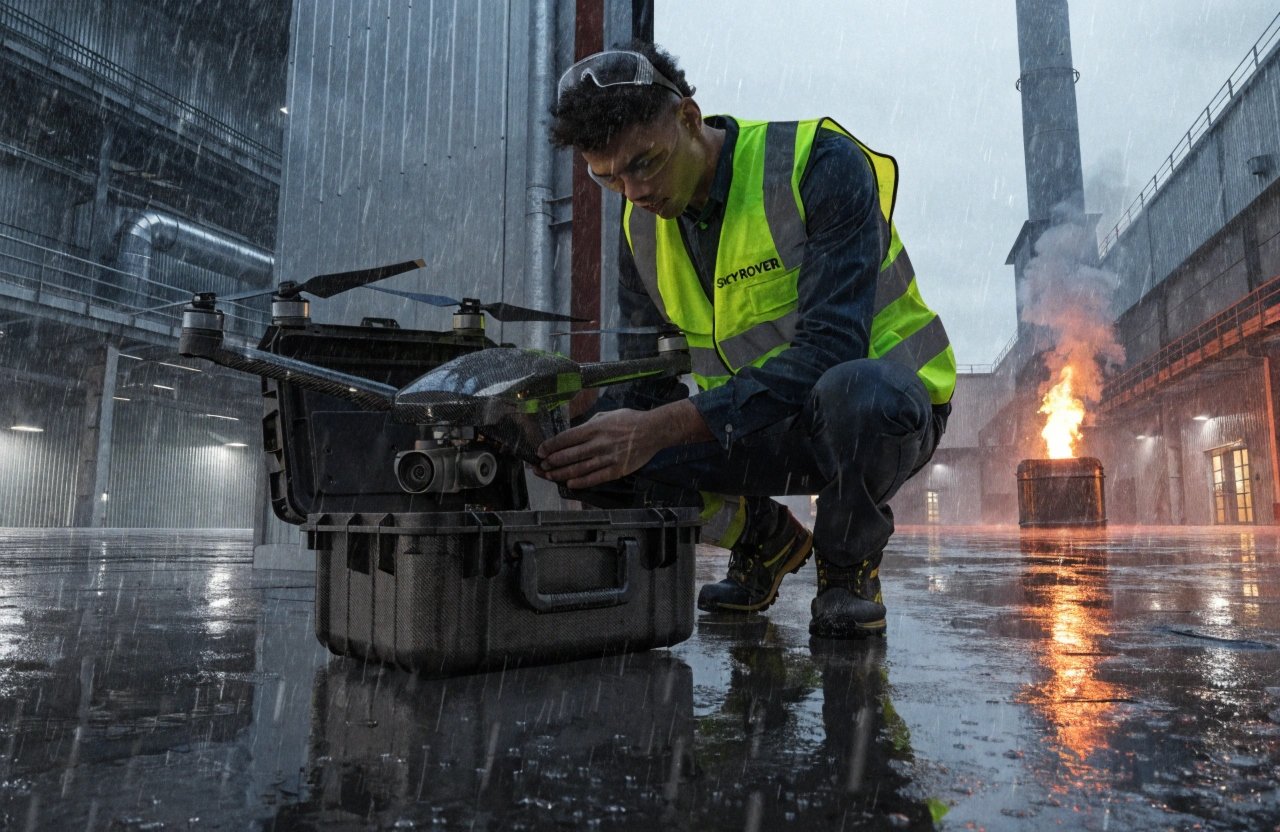
Понимание преимущества мультироторных дронов
В промышленной среде MRO (техническое обслуживание, ремонт и капитальный ремонт) способность оставаться на месте — ваше главное преимущество. Мультироторные дроны, подобные тем, которые мы производим, обеспечивают Вертикальный взлет и посадка 4 (VTOL) возможности. Это означает, что вам не нужна взлетно-посадочная полоса. Вы можете запустить дрон с небольшой парковки или даже с крыши во время пожара.
Для менеджера по закупкам, такого как Оливия, мультироторный дрон часто является "золотым стандартом". Он позволяет пилоту зависнуть рядом с предполагаемым горячим пятном или линией под давлением. Стабильность мультироторного дрона гарантирует, что высокоточные тепловизионные датчики 5 можно получить четкое показание. Если ваша компания работает в условиях ограниченного городского пространства или на загруженных промышленных объектах, маневренность мультироторного дрона является обязательным условием.
Когда фиксированное крыло имеет смысл
Дроны с фиксированным крылом работают больше как традиционные самолеты. Они эффективны для покрытия сотен акров. Если ваша компания управляет огромными сельскохозяйственными угодьями или обширной удаленной инфраструктурой, модель с фиксированным крылом может быть решением. Однако они не могут зависать. Если вам нужно контролировать конкретную химическую емкость, которая в настоящее время выпускает газ, дрон с фиксированным крылом даст вам лишь мимолетный взгляд, когда он пролетает мимо.
Сравнение сценариев для принятия решений
Чтобы помочь вам принять решение, мы создали простую матрицу, основанную на общих промышленных потребностях.
| Функция | Multi-Rotor Drones | Дроны с фиксированным крылом |
|---|---|---|
| Стартовое пространство | Минимальное (VTOL) | Требуется взлетно-посадочная полоса или катапульта |
| Возможность зависания | Отлично (стационарно) | Нет |
| Скорость полета | Медленно до умеренного | Высокий |
| Грузоподъемность | Высокий / Модульный | Умеренный |
| Лучший сценарий использования | Пожары на объектах, объекты технического обслуживания, ремонта и эксплуатации | Лесные пожары, дальнее патрулирование |
Критическая оценка опасностей
Прежде чем подписать заказ на покупку, проведите оценку опасностей на конкретном объекте 6. Определите зоны высокого риска, такие как склады химикатов. В этих зонах вам нужен дрон, который может летать медленно и поддерживать безопасное расстояние, обеспечивая при этом четкий вид с увеличением. Дроны с фиксированным крылом часто не обладают стабильностью датчиков, необходимой для такого уровня детализации в локальных кризисных ситуациях.
Как определить необходимую продолжительность полета и дальность для моих типичных миссий?
Во время наших стресс-тестов аккумуляторов в SkyRover мы делаем акцент на "время на станции". Если дрон разрядится во время тактической оценки, ваша группа реагирования на чрезвычайные ситуации окажется в слепой зоне в самый неподходящий момент.
Рассчитайте продолжительность полета, анализируя время, необходимое для "обнаружения, подтверждения и мониторинга". Для промышленных объектов технического обслуживания и ремонта (MRO) требуется минимум 30–40 минут фактического полетного времени. Это позволяет дрону облетать место кризиса и передавать телеметрию в режиме реального времени в центр управления безопасностью.
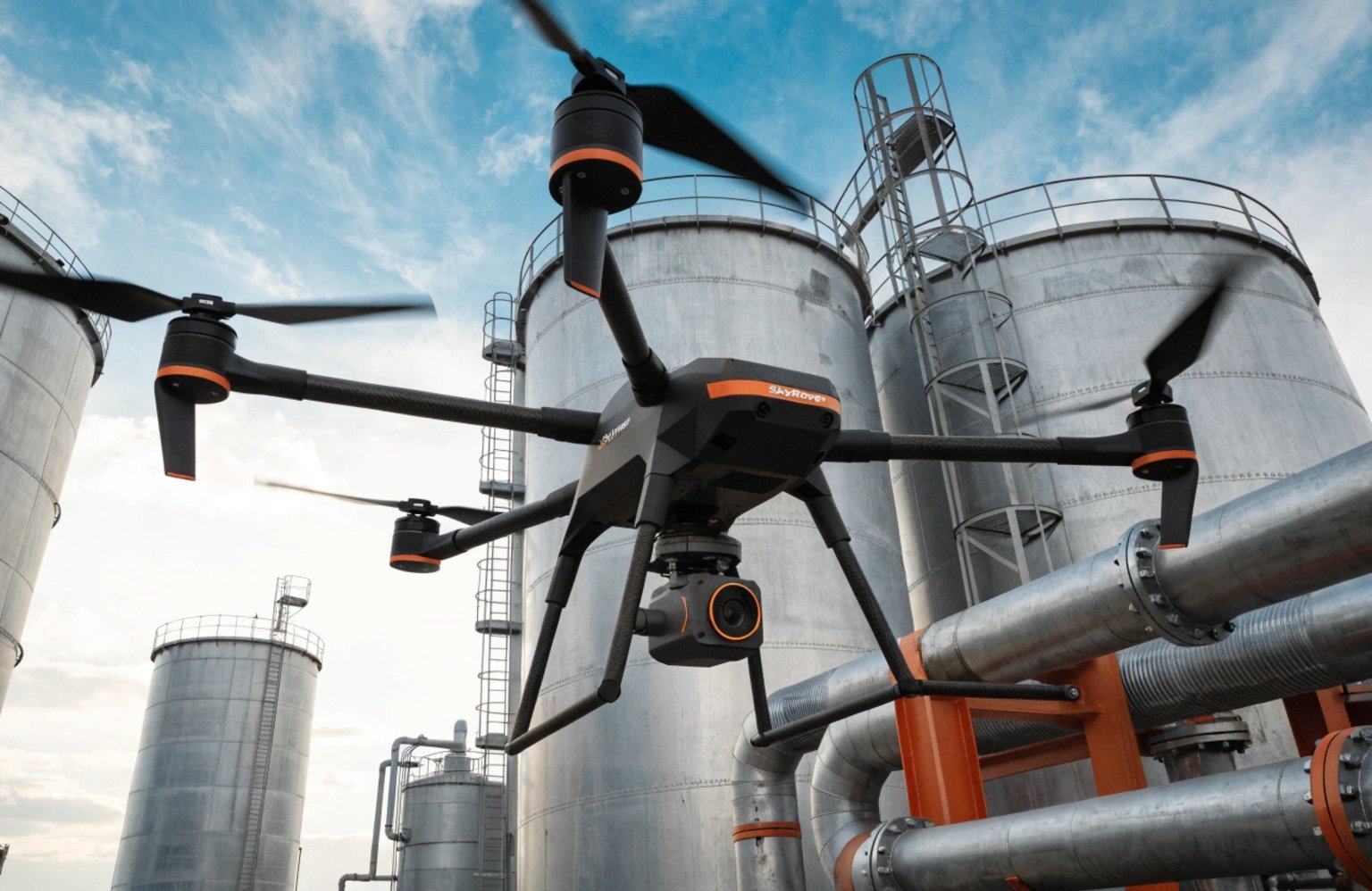
Реальность времени работы аккумулятора
Большинство производителей указывают "максимальное время полета" в идеальных условиях. В реальном сценарии пожара вы сталкиваетесь с ветром, жарой и тяжелыми полезными нагрузками. Эти факторы быстро разряжают аккумуляторы. На нашем заводе мы всегда советуем клиентам вычитать 20% из заявленного времени полета, чтобы получить реалистичное операционное окно.
Если вашему дрону необходимо нести тяжелую тепловизионную камеру и прожектор, вес снижает продолжительность полета. Вам следует искать дроны с высокоплотными аккумуляторными системами и возможностью быстрой замены. Это гарантирует, что когда один дрон приземлится, второй сможет подняться в воздух в течение шестидесяти секунд.
Определение диапазона вашей миссии
Диапазон относится к тому, как далеко дрон может лететь от контроллера, поддерживая стабильную видеосвязь. Для промышленных объектов, Прямая видимость 7 (прямая видимость) обычно является законным требованием в соответствии с правилами FAA. Однако сигнал должен быть достаточно сильным, чтобы проникать сквозь дым или обходить большие металлические конструкции.
Требования к продолжительности полета в зависимости от типа миссии
Мы предлагаем следовать этому руководству, чтобы определить ваши конкретные потребности.
| Тип миссии | Ориентировочная продолжительность | Рекомендуемый диапазон |
|---|---|---|
| Первоначальная разведка | 10 – 15 минут | В пределах 1 мили |
| Непрерывная тактическая поддержка | 40 – 60 минут (ротация) | В пределах 2 миль |
| Пост-пожарный криминалистический анализ | 20 – 30 минут | Специфичный для сайта |
| Плановая инспекция объекта | 45+ минут | Полный периметр |
Факторы, влияющие на время полета
- Вес полезной нагрузки: Более тяжелые датчики требуют большей мощности двигателя.
- Ветровые условия: Борьба с ветром со скоростью 20 миль в час может сократить срок службы батареи на 30%.
- Температура: Экстремальная жара вблизи пожара может повлиять на химию и эффективность батареи.
- Сила сигнала: Промышленные зоны с высоким уровнем помех могут заставить дрон использовать больше энергии для передачи данных.
Какие возможности полезной нагрузки необходимы для типов пожаров, с которыми сталкивается моя команда?
Когда мы калибруем полетные контроллеры на нашем предприятии, мы всегда учитываем баланс полезной нагрузки. Дрон — это просто транспортное средство для доставки датчиков; именно датчики спасают жизни и имущество.
Основные полезные нагрузки включают высококачественные инфракрасные (FLIR) датчики для теплового картирования и лазерные дальномеры для расчета расстояния. Для промышленных пожаров также важны интегрированные газовые датчики и зашифрованные видеоканалы с низкой задержкой. Эти инструменты позволяют наземным группам выявлять опасности и координировать действия, не входя в опасные зоны.
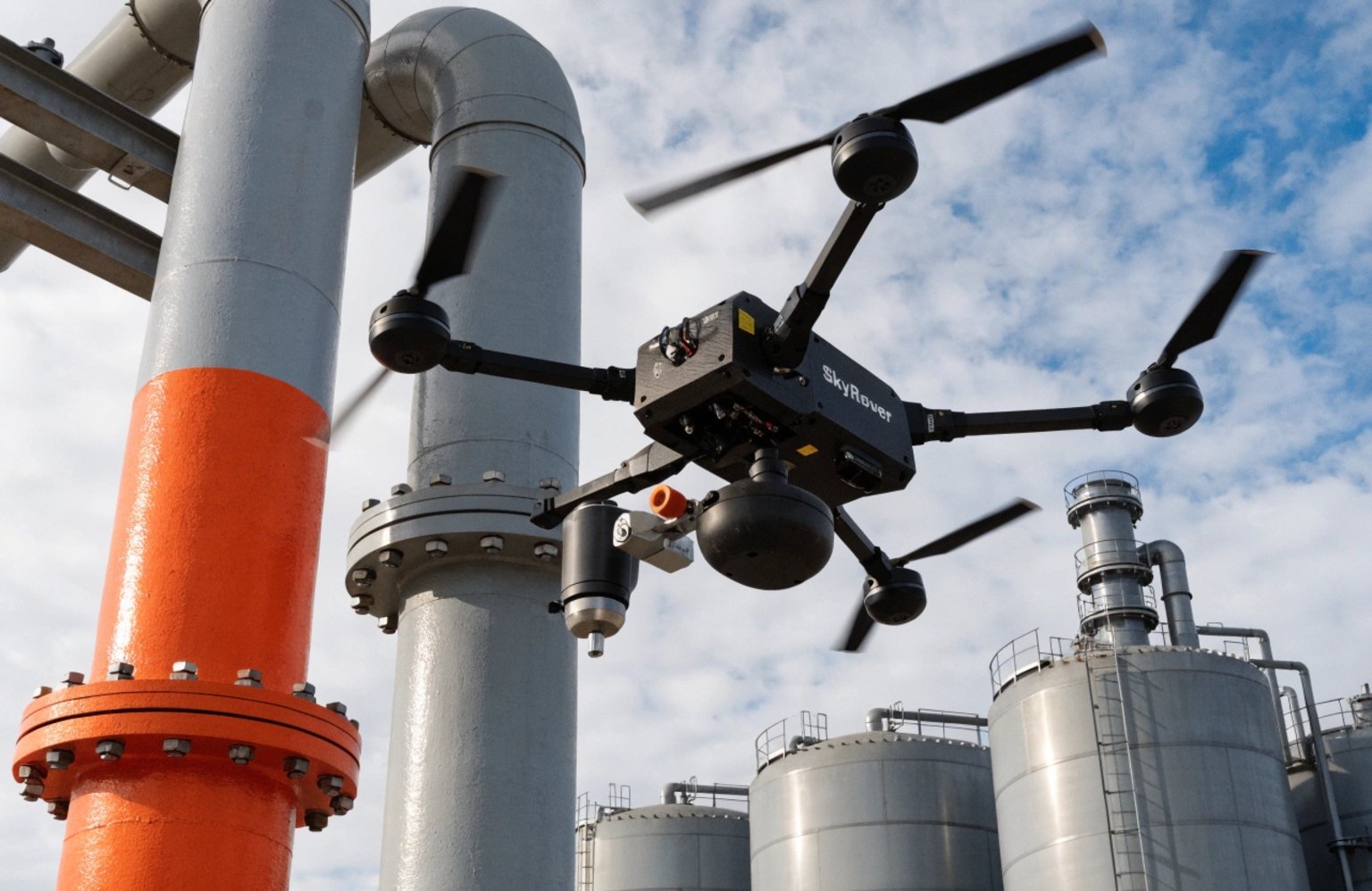
Тепловизионное изображение: Инструмент, без которого нельзя обойтись
Тепловизионные камеры (Инфракрасный 8) позволяют видеть сквозь дым. На промышленном складе, охваченном огнем, дым часто бывает густым и токсичным. Обычная камера бесполезна. Тепловой датчик определяет "очаг" возгорания. Он помогает найти людей, оказавшихся в ловушке в здании, обнаруживая тепло их тел.
Мы рекомендуем датчики с разрешением не менее 640×512. Более низкое разрешение может сэкономить деньги, но ему не хватает детализации, необходимой для различения горячей трубы и разрастающегося пожара.
Модульные экосистемы датчиков
В SkyRover мы выступаем за модульность. Вам не придется покупать новый дрон каждый раз, когда выходит новый датчик. Модульная экосистема позволяет заменять зум-камеру на газоанализатор за считанные секунды. Это жизненно важно для объектов технического обслуживания и ремонта, которые сегодня могут иметь дело с химическими утечками, а завтра — с пожарами в зданиях.
Связь и координация
Основные полезные нагрузки включают высококачественные инфракрасные датчики для теплового картирования и лазерные дальномеры 9 для расчета расстояния. Данные полезны только в том случае, если они достигают нужных людей. Ваш дрон должен поддерживать зашифрованное потоковое видео. Это позволяет руководителю отдела закупок или начальнику пожарной охраны просматривать прямой эфир с планшета или из командного центра.
Матрица основных полезных нагрузок
Используйте эту таблицу, чтобы проверить, предоставляет ли выбранный вами поставщик эти критически важные компоненты.
| Тип датчика | Назначение | Почему это важно |
|---|---|---|
| FLIR (тепловизор) | Тепловое картирование | Проникает сквозь дым; обнаруживает горячие точки |
| Оптический зум (30x+) | Дальнее визуальное наблюдение | Осматривает опасные объекты с безопасного расстояния |
| Лазерный дальномер | Измерение расстояния | Определяет координаты капель воды или персонала |
| Мультисенсорный газоанализатор | Обнаружение утечек | Идентифицирует токсичные или взрывоопасные атмосферы |
| Loudspeaker | Коммуникация | Отдает приказы людям на земле |
Как мне спланировать бюджет на обучение и техническое обслуживание при выборе новой системы дронов?
По нашему опыту экспорта в США, мы обнаружили, что многие компании забывают заложить в бюджет расходы на операции "второго дня". Покупка оборудования составляет всего 50% от общей стоимости владения.
Бюджет должен включать сертификацию FAA Part 107 для пилотов и регулярное техническое обслуживание планеров и датчиков. Учитывайте стоимость запасных частей, таких как пропеллеры и батареи, которые быстрее изнашиваются в агрессивных промышленных условиях. Комплексный бюджет жизненного цикла гарантирует, что ваш дрон останется готовым к выполнению задач на долгие годы.
Стоимость человеческого капитала
Дрон хорош настолько, насколько хорош его пилот. В Соединенных Штатах для коммерческой эксплуатации дронов требуется лицензия FAA Part 107. Программы обучения требуют денег и времени. Для такой компании, как у Оливии, ей необходимо убедиться, что ее команда по охране труда и окружающей среды или безопасности полностью обучена не только летать, но и действовать в стрессовых чрезвычайных ситуациях.
Техническое обслуживание в суровых условиях
Промышленные пожары часто включают агрессивные промышленные среды 10, высокую температуру и большое количество твердых частиц. Эти элементы повреждают деликатную оптику ваших камер и двигатели вашего дрона. В SkyRover мы предоставляем подробные графики технического обслуживания. Ожидайте замены пропеллеров каждые 50-100 летных часов и регулярного осмотра двигателей.
Расчет бюджета жизненного цикла
Умный менеджер по закупкам рассматривает трехлетнюю стоимость, а не только первоначальную цену.
- Первоначальная покупка: Дрон, батареи и базовые датчики.
- Обучение: Лицензионные сборы и специализированное обучение полетам для пожаротушения.
- Страхование: Страховое покрытие ответственности, специально предназначенное для промышленного использования дронов.
- Техническое обслуживание: Запасные части, обновления программного обеспечения и калибровка датчиков.
- Управление данными: Облачное хранилище для журналов полетов и видеоматериалов для криминалистической экспертизы.
Заключение
Выбор пожарного дрона требует баланса между анализом сценариев и техническими характеристиками. Приоритизируя тепловые датчики, маневренность VTOL и обучение пилотов, вы обеспечиваете более безопасное и эффективное реагирование на промышленные инциденты.
Сноски
1. Тенденции и анализ рынка коммерческих БПЛА. ↩︎
2. Стандартизированные коды для предотвращения пожаров и управления безопасностью. ↩︎
3. Официальные правила эксплуатации коммерческих дронов в США. ↩︎
4. Технический анализ механики вертикального взлета и посадки. ↩︎
5. Руководство по использованию тепловизионной съемки для реагирования на чрезвычайные ситуации. ↩︎
6. Процедуры выявления опасностей для безопасности и здоровья на рабочем месте. ↩︎
7. Понимание требований к визуальной прямой видимости для пилотов дронов. ↩︎
8. Наука об инфракрасном свете и обнаружении тепла. ↩︎
9. Принципы лазерного измерения расстояния в робототехнике. ↩︎
10. Управление деградацией оборудования в агрессивных химических средах. ↩︎
 English
  Español de México
  Deutsch
  Français
  Русский
  العربية
Comments
No comments yet. Be the first to share your thoughts!
Leave a Comment