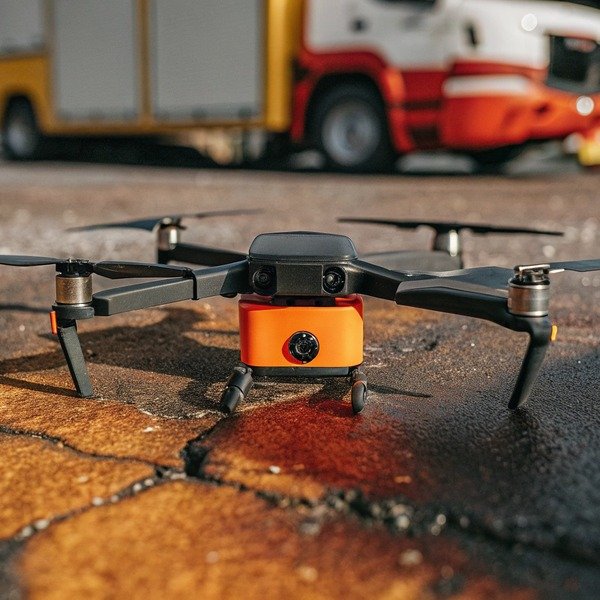
За годы анализа данных о крушениях с мест пожаров данные о крушениях 1, мы видели слишком много дорогостоящих миссий, провалившихся просто потому, что посадочные полозья ломались при приземлении. Вы не можете позволить себе потерять ценную полезную нагрузку из-за структурной слабости.
Для обеспечения надежности запрашивайте у поставщиков конкретный состав материала, например, алюминий 7075 или углеродное волокно, и требуйте отчеты о динамических испытаниях на нагрузку, показывающие устойчивость к ударам, в 2,5 раза превышающим вес дрона. Кроме того, убедитесь, что конструкция включает амортизирующие демпферы и доказанную стабильность на неровной местности.
Вот как именно вы можете проверять поставщиков, чтобы убедиться, что их шасси соответствуют строгим требованиям пожарных операций. пожарных операций 2.
Какие конкретные материалы мне следует искать, чтобы убедиться, что шасси выдержит тяжелые полезные нагрузки?
Когда мы закупаем сырье для нашей сборочной линии, мы немедленно отвергаем стандартные пластики, потому что они становятся хрупкими под воздействием интенсивного тепла и нагрузки в зонах пожара. Дешевые материалы являются основной причиной отказа оборудования в полевых условиях.
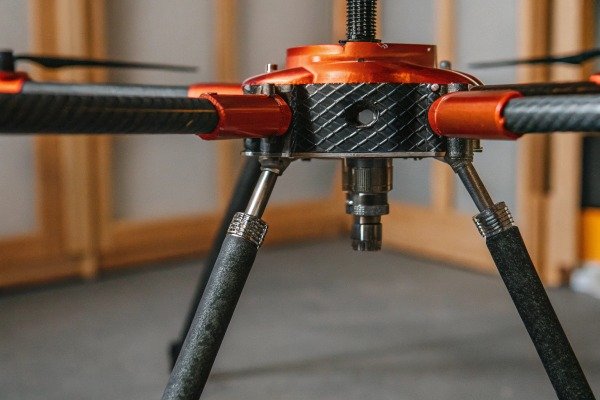
Вам следует искать шасси, изготовленные из авиационного алюминия 7075 для максимальной структурной жесткости или высокомодульного углеродного волокна для оптимального соотношения прочности и веса. Эти материалы устойчивы к деформации под тяжелыми полезными нагрузками в 100 кг или более и сохраняют целостность даже при воздействии высоких температур окружающей среды на месте пожара.
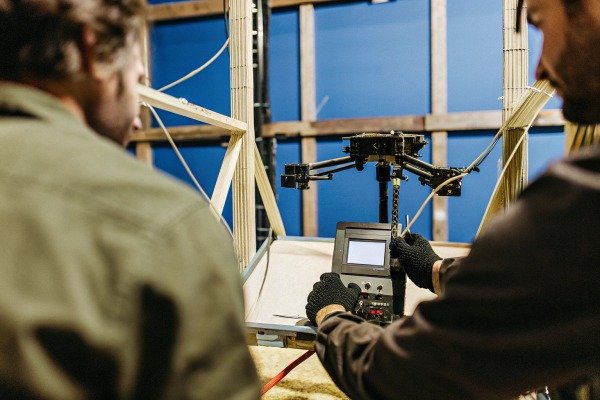
Общаясь с поставщиком, не соглашайтесь на общие термины, такие как "металл" или "композит". Разница между успехом и неудачей часто заключается в конкретном сплаве или марке волокна. На нашем инженерном предприятии мы обнаружили, что стандартные материалы потребительского класса просто деформируются, когда дрон, несущий тяжелую бомбу для тушения пожара, приземляется на горячий асфальт.
Вам нужно запросить конкретную марку материала. Для алюминия отраслевым стандартом для деталей авиации, подверженных высоким нагрузкам, является серия 7000. конкретно 7075 3, конкретно 7075. Этот сплав содержит цинк и значительно прочнее более распространенного и дешевого алюминия 6061, часто используемого в дронах для любителей. Для углеродного волокна спросите о плетении и толщине. Простой трубки недостаточно; требуются усиленные соединения, часто изготовленные из нейлоновых композитов или алюминия, обработанного на станке с ЧПУ, чтобы предотвратить растрескивание в точках соединения.
Контрольный список свойств материалов
Пожарные дроны работают в условиях, которые уничтожили бы стандартное оборудование. Шасси — единственное, что отделяет вашу дорогостоящую сенсорную полезную нагрузку от земли. Если материал размягчается от жары или ломается от холодной хрупкости, карданный подвес камеры обычно является первым компонентом, который выходит из строя.
Используйте приведенную ниже таблицу для сравнения ответов, полученных от поставщиков, с отраслевыми лучшими практиками:
| Тип материала | Рейтинг прочности | Термостойкость | Влияние на вес | Рекомендуемое использование |
|---|---|---|---|---|
| Алюминий 7075 | Очень высокий | Отлично (>400°F) | Средний | Тяжелые дроны (>50 кг полезной нагрузки) |
| Углеродное волокно | Высокий | Хорошо (зависит от смолы) | Очень низкое | Маневренные разведывательные дроны или модели с длительным временем полета |
| Нейлон (со стекловолокном) | Средний | Средний | Низкая | Соединители и амортизаторы |
| Стандартный пластик (ABS) | Низкая | Плохо (плавится/деформируется) | Низкая | Избегать для пожарных операций |
| Алюминий 6061 | Средний | Хорошо | Средний | Приемлемо для учебных единиц, не для тяжелых грузов |
Важность температуры тепловой деформации
Еще один критически важный аспект, который следует обсудить с вашим поставщиком, — это температура тепловой деформации Температура тепловой деформации 4 (HDT) шасси. Пожарные дроны часто приземляются на поверхности, нагретые близлежащим пламенем. Если опоры шасси изготовлены из низкокачественной резины или пластика, они могут расплавиться или прилипнуть к земле. Мы всегда рекомендуем спрашивать, изготовлены ли "опоры" или опорные площадки из термостойкого силикона или высокотемпературного нейлона, чтобы гарантировать, что дрон сможет снова взлететь после кратковременной посадки в горячей зоне.
Какие испытания на ударное сопротивление мне следует запросить для проверки прочности конструкции шасси?
Наша команда контроля качества неоднократно роняет прототипы с различных высот, поскольку теоретические инженерные данные часто не учитывают хаотичную реальность аварийной посадки. Поставщик, который не проводит физические испытания, угадывает, а не проектирует.
Запросите конкретные доказательства испытаний на падение с высоты не менее одного метра при полной загрузке дрона до максимального взлетного веса. Также запросите отчеты о циклах усталости, демонстрирующие способность шасси выдерживать тысячи ударов при посадке и вибраций без образования усталостных трещин.
Запрос данных испытаний — наиболее эффективный способ отсеять неопытных поставщиков. Авторитетный производитель будет иметь эти отчеты под рукой. Вам нужна "реальная" долговечность, а не просто компьютерные симуляции (модели FEA). Хотя симуляции полезны для проектирования, физические испытания на разрушение Испытания на усталостные циклы 5 подтверждают надежность.
Протокол "Испытание на падение"
Когда мы проверяем новую модель пожарного дрона, мы проводим стандартное испытание на падение. Мы загружаем дрон до его максимального взлетного веса (MTOW) Максимальный взлетный вес 6, который включает батареи, тепловизионную камеру и полезную нагрузку (например, шар для тушения пожара или емкость с жидкостью). Затем мы свободно сбрасываем его с высоты от 1 до 3 метров на твердую бетонную поверхность.
Вам следует спросить поставщика:
- "Какова была высота падения?" (Должна быть >1 метра).
- "Был ли дрон полностью загружен?" (Пустые испытания бессмысленны).
- "Деформировалось ли шасси необратимо?" (Упругое изгибание — это нормально; необратимое изгибание — это отказ).
Анализ усталости и вибрации
Удар — не единственный враг; вибрация — тихий убийца. Пожарные дроны часто имеют мощные двигатели, которые генерируют высокочастотные вибрации высокочастотные вибрации 7. Со временем это расшатывает винты и вызывает микротрещины в металле и углеродном волокне.
Спросите поставщика, проводят ли они Испытания на усталостные циклы. Это включает в себя машину, которая многократно нажимает и отпускает шасси тысячи раз, чтобы имитировать годы посадок. Если они не могут предоставить эти данные, спросите, используют ли они герметики для резьбы (например, Loctite) и стопорные гайки на всем оборудовании шасси. По нашему опыту, клепаные соединения часто более долговечны, чем винтовые соединения для фиксированных шасси, поскольку они не могут расшататься от вибрации.
Скрининг воздействия окружающей среды
Наконец, узнайте об испытаниях на воздействие окружающей среды. Пожарные дроны подвергаются воздействию воды из шлангов, химических замедлителей и частиц дыма.
- Коррозионная стойкость: Спросите, анодированы ли алюминиевые детали. Анодирование создает твердый защитный слой, устойчивый к коррозии от воды и химикатов.
- Герметизация соединений: Спросите, герметизированы ли соединения, где углеродное волокно встречается с металлом. Попадание воды может привести к замерзанию на большой высоте или вызвать внутреннюю коррозию со временем.
Как определить, обеспечивает ли конструкция шасси достаточную амортизацию для посадок на пересеченной местности?
Неровная земля — нормальное явление при лесных пожарах, и мы узнали из ранних полевых испытаний, что жесткое шасси часто приводит к опрокидыванию дронов при контакте. Стабильность так же важна, как и прочность.
Определите это, осмотрев шасси на наличие гидравлических амортизаторов или мощных пружинных систем, интегрированных в вертикальные стойки. Вы также должны убедиться, что посадочные полозья имеют широкую опору и низкий центр тяжести, чтобы предотвратить опрокидывание при посадке на склонах, гравии или обломках.
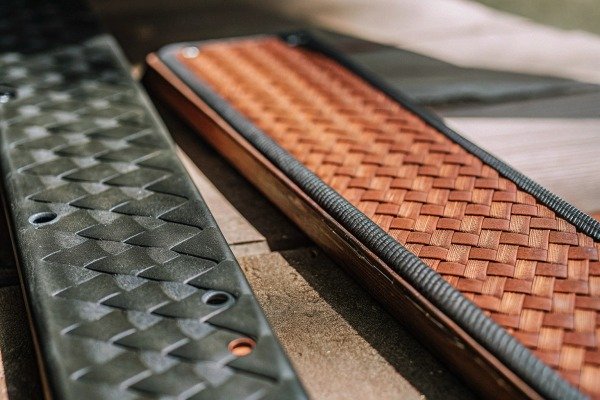
В стерильной обстановке заводского цеха любой дрон может плавно приземлиться. Однако в условиях лесного пожара или руин после стихийного бедствия земля никогда не бывает ровной. Она покрыта камнями, ветками деревьев и пожарными шлангами. Если шасси полностью жесткое, удар от столкновения с камнем одной ногой мгновенно передается на раму дрона, сбивая с толку гироскоп (IMU) полетного контроллера. Это может привести к опрокидыванию дрона — катастрофической поломке. динамическое опрокидывание 8 известное как "динамическое опрокидывание"."
Активное против пассивного поглощения ударов
Вам следует тщательно изучить механизм, используемый для поглощения ударов.
- Жесткое шасси: Самый дешевый вариант. Он полностью полагается на гибкость материала (например, на изгиб пластиковой ноги). Обычно этого недостаточно для тяжелых пожарных дронов.
- Пассивная пружинная подвеска: Металлическая пружина внутри опоры сжимается при ударе. Это лучше, но без демпфирования может привести к тому, что дрон "отскочит" обратно, вызывая нестабильность.
- Гидравлическое/пневматическое демпфирование: Золотой стандарт. Подобно амортизатору автомобиля, он использует жидкость или воздух для подавления энергии удара. Он сжимается, но не отскакивает сразу.
Спросите своего поставщика: "Есть ли в шасси демпфирование отскока?" Эта функция предотвращает опасный эффект "прыгуна" при жесткой посадке.
Геометрия устойчивости: полозья против опор
Для пожарных применений геометрия шасси имеет решающее значение.
- Четыре независимые опоры: Хорошо для неровной местности, если каждая опора имеет подвеску, но выше риск опрокидывания, если одна опора провалится в мягкую грязь или пепел.
- Полозья (в стиле вертолета): Две длинные горизонтальные перекладины. Они, как правило, превосходят для пожарных применений, поскольку распределяют вес по большей площади поверхности. Это предотвращает проваливание дрона в мягкий грунт, грязь или глубокие слои пепла.
Анализ дорожного просвета
Не забудьте спросить, что происходит между шасси. Пожарные дроны часто несут громоздкие полезные нагрузки под брюхом. громоздкие полезные нагрузки 9.
- Зазор по высоте: Убедитесь, что имеется зазор не менее 15-20 см после подвеска полностью сжата. Вы не хотите, чтобы ваша дорогая тепловизионная камера разбилась о камень из-за слишком мягкой подвески.
- Зазор по ширине: Шасси должны быть шире полезной нагрузки, чтобы защитить ее, если дрон приземлится под углом.
Какие вопросы следует задать о максимальной грузоподъемности при аварийных посадках?
Экстренные спуски создают огромные перегрузки, которые намного превышают статическую массу дрона, и наши бортовые журналы показывают, что именно в этих пиках силы обычно происходят структурные отказы. Покупка, основанная только на статической массе, опасна.
Запросите конкретно показатель динамической нагрузки, подтвердив, что шасси могут выдерживать в 2,5-3 раза большую максимальную взлетную массу (MTOW) для учета быстрого замедления. Убедитесь, что этот расчет включает инерцию прикрепленных полезных нагрузок, таких как движущиеся резервуары с жидкостью или механизмы сброса, которые создают дополнительную нагрузку при ударе.
Менеджеры по закупкам часто совершают ошибку, спрашивая: "Могут ли эти шасси выдержать дрон весом 50 кг?" Поставщик отвечает "Да", потому что они могут выдержать 50 кг в состоянии покоя (статическая нагрузка). Однако, когда дрон быстро спускается в экстренной ситуации — возможно, из-за низкого заряда батареи или надвигающихся порывов ветра — он может удариться о землю со скоростью 3 метра в секунду. Сила этого удара может кратковременно умножить вес дрона.
Математика запасов прочности
Вам нужно вести себя как инженер, задавая эти вопросы Коэффициент безопасности 10. Вы ищете Коэффициент безопасности.
- Статическая нагрузка: Вес дрона в состоянии покоя (1G).
- Динамическая нагрузка: Сила, действующая при ударе (часто от 2G до 3G).
Если ваш пожарный дрон полностью загружен весит 20 кг, шасси должны быть протестированы на выдерживание силы не менее 50-60 кг без поломки. Если поставщик протестировал их только на 20 кг, шасси сломаются при жесткой посадке.
Инерция полезной нагрузки и смещение напряжений
Пожарные полезные нагрузки представляют уникальные проблемы. Жидкости (например, вода или огнезащитное средство) плещутся, а механизмы сброса (например, огненные шары) мгновенно изменяют распределение веса.
- Нагрузки от плескания: Если вы несете жидкость, импульс жидкости продолжает действовать вниз даже после того, как шасси коснутся земли. Этот "вторичный удар" может сломать шасси, которые не были для него спроектированы.
- Боковые нагрузки: Сильные ветры в зонах пожаров означают, что дроны редко садятся идеально вертикально. Они часто приземляются боком. Спросите поставщика о Номинальные боковые нагрузки. Смогут ли шасси выдержать боковое скольжение, если дрон приземлится во время дрейфа?
Таблица динамических нагрузок
Используйте эту таблицу, чтобы оценить, безопасны ли заявленные поставщиком характеристики для ваших конкретных операций.
| Операционный сценарий | Требуемый коэффициент безопасности | Почему это важно |
|---|---|---|
| Стандартное обучение | 1,5x MTOW | Контролируемые посадки на ровных, спокойных поверхностях. |
| Операции при сильном ветре | 2.0x Взлетная масса | Турбулентность приводит к более жестким и неравномерным посадкам. |
| Экстренное снижение | 2.5x Взлетная масса | Высокие скорости снижения значительно увеличивают энергию удара. |
| Жидкая полезная нагрузка | 3.0x Взлетная масса | Гидродинамика добавляет непредсказуемые пиковые нагрузки. |
| Неровная местность | 3.0x Взлетная масса | Одна опора может изначально принять 100% нагрузки. |
Настаивая на этих динамических рейтингах, вы отсеиваете поставщиков, которые модифицируют любительские рамы для промышленного использования. Вы гарантируете, что приобретаемое вами оборудование специально разработано для суровых реалий пожаротушения.
Заключение
Шасси — это основа ваших воздушных операций; если они выйдут из строя, миссия будет окончена. Требуя конкретные марки материалов, такие как алюминий 7075, требуя доказательств испытаний на динамическую нагрузку до 3x MTOW и проверяя возможности амортизации, вы гарантируете, что ваш парк техники будет безопасно возвращаться каждый раз. Задавайте сложные вопросы сейчас, чтобы ваша команда не столкнулась с серьезными отказами позже.
Сноски
1. Официальный источник данных о авиационных происшествиях и статистике расследований. ↩︎
2. Руководство Лесной службы США по беспилотным летательным аппаратам в пожаротушении. ↩︎
3. Стандарт SAE International для алюминиевого сплава 7075, используемого в аэрокосмической промышленности. ↩︎
4. Образовательное объяснение HDT в материаловедении. ↩︎
5. Стандарт ISO для испытаний на усталость металлических материалов. ↩︎
6. Официальное определение и объяснение Федеральным управлением гражданской авиации (FAA) максимальной взлетной массы в авиации. ↩︎
7. Техническое объяснение измерения вибрации и ее воздействия на механические конструкции. ↩︎
8. Научная публикация, объясняющая физику динамического переворачивания самолета. ↩︎
9. Технические характеристики тяжелого грузового дрона, способного перевозить крупногабаритные грузы. ↩︎
10. Обзор принципов коэффициента запаса прочности в строительной инженерии. ↩︎

 English
  Español de México
  Deutsch
  Français
  Русский
  العربية
Comments
No comments yet. Be the first to share your thoughts!
Leave a Comment