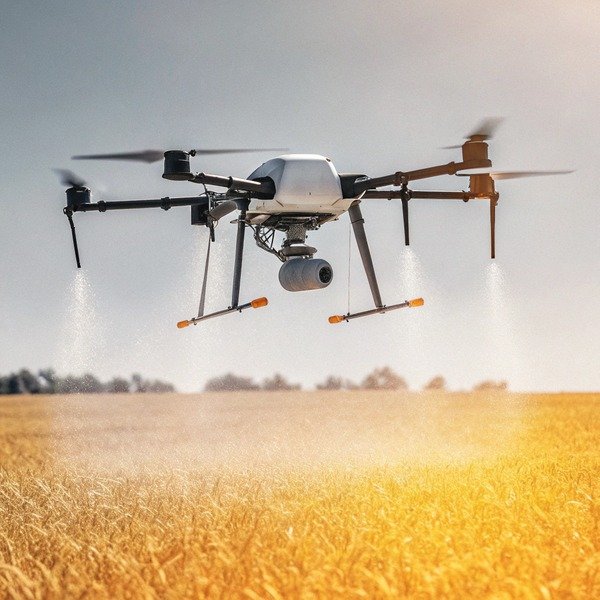
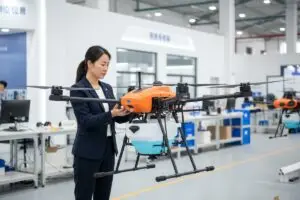
Мы часто видим, как американские дистрибьюторы сталкиваются с трудностями, когда клиент задает вопросы о рисках покрытия для тяжелых опрыскивателей, сходящих с наших сборочных линий в Чэнду. Игнорирование этого может привести к судебным искам, которые разорят ваш бизнес до того, как опустеет первый бак.
Американские импортеры должны рекомендовать общую ответственность за наземные операции, авиационную ответственность за риски полетов и специальное покрытие от сноса химикатов для применения пестицидов. Крайне важно, чтобы импортеры имели страхование ответственности за продукцию для покрытия производственных дефектов, в то время как конечные пользователи требуют соответствия FAA Части 137 для подтверждения любых претензий по химической ответственности.
Давайте подробно разберем, что именно нужно вашим клиентам, чтобы оставаться в рамках закона и быть защищенными.
Нужна ли мне специальная страховка ответственности за продукцию при перепродаже импортных сельскохозяйственных дронов в США?
Когда мы отправляем контейнеры на Западное побережье, мы знаем, что как только пломба нарушена, американское законодательство часто рассматривает импортера как производителя. Вы сталкиваетесь с огромными финансовыми рисками, если неисправность приведет к травме.
Да, импортерам, как правило, требуется страхование ответственности за продукцию, поскольку американские суды часто считают отечественного продавца ответственным за производственные дефекты за рубежом. Это покрытие защищает ваш бизнес от судебных исков, связанных с недостатками конструкции, ошибками в предупреждающих этикетках или сбоями оборудования, которые приводят к травмам третьих лиц или ущербу имуществу.
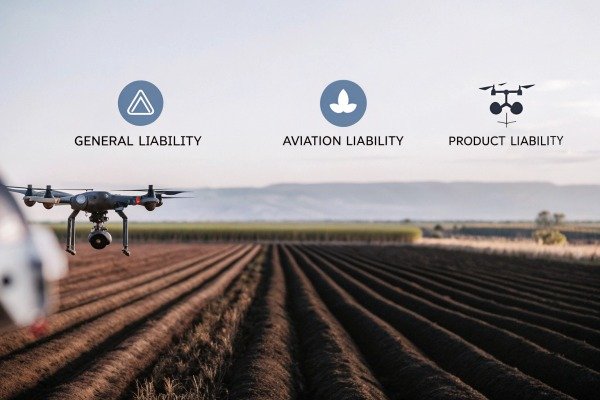
Риск "Импортер как производитель"
Многие из наших партнеров полагают, что, поскольку они не собирали дрон, они не несут ответственности за его полет. Это опасное заблуждение в правовой системе Соединенных Штатов. Когда вы импортируете технологию с нашего завода в Китае и перепродаете ее под своим брендом или даже как дистрибьютор, вы становитесь основным контактным лицом по вопросам ответственности.
Если откажет двигатель или перегреется аккумулятор, юрист пострадавшей стороны редко будет пытаться подать в суд на завод в Сиане. Это слишком сложно и дорого. Вместо этого они подадут в суд на американскую организацию, которая продала продукт. Строгая ответственность 1 Это известно как "Строгая ответственность"." Строгая ответственность 2 Вы можете быть привлечены к ответственности, даже если вы не вызвали дефект.
Мы настоятельно рекомендуем нашим дистрибьюторам иметь надежное страхование ответственности за продукцию. Это отличается от общей ответственности (GL). Стандартная GL покрывает поскальзывания и падения на вашем складе. Она не покрывает падение дрона с неба из-за сбоя прошивки.
Расширения критического покрытия
При настройке вашей политики вы должны искать конкретные пункты. Стандартная политика может исключать "авиационную продукцию". Вам необходимо убедиться, что ваш брокер удалил это исключение.
Еще одним важным компонентом является покрытие "Прекращенные продукты" или "Хвост". Предположим, вы прекратите продавать конкретную модель в следующем году. Если единица, проданная вами три года назад, выйдет из строя сегодня, вы все равно будете нести ответственность. Покрытие "Хвост" 3 Покрытие "Хвост" защищает вас от этих старых претензий.
Ниже приведено сравнение типов ответственности, которые вы должны понимать как импортер:
| Тип ответственности | Кто защищен? | Что покрывается? | Критично для импортеров? |
|---|---|---|---|
| Общая ответственность (CGL) | Юридическое лицо | Поскальзывания, падения, рекламные травмы в вашем офисе. | Да, но недостаточно само по себе. |
| Ответственность за продукт | Продавец/импортер | Травмы/ущерб, вызванные дефектом продукта. | Абсолютно критично. |
| Завершенные операции | Поставщик услуг | Повреждения, возникшие после завершения обслуживания. | Важно, если вы предлагаете обучение. |
| Кибер-ответственность | Обработчик данных | Риски утечки данных или взлома прошивки. | Настоятельно рекомендуется. |
Цена халатности
Без этого покрытия один судебный иск может превысить $1 миллион долларов в виде судебных издержек и урегулирования. Мы создаем наши устройства SkyRover с высокой степенью резервирования, но мы не можем контролировать все переменные. Если пользователь утверждает, что "производственный дефект" стал причиной аварии производственный дефект 4, ваша страховка должна вмешаться, чтобы оплатить услуги адвокатов по защите. Не полагайтесь на стандартный полис владельца бизнеса. Вам нужен специализированный полис авиационной ответственности за качество продукции.
Какие лимиты ответственности перед третьими лицами мне следует рекомендовать клиентам, эксплуатирующим тяжелые дроны для опрыскивания посевов?
Во время наших испытаний устойчивости полета в Сиане мы моделируем наихудшие сценарии, но реальные аварии на американских кукурузных полях могут быть гораздо более дорогостоящими. Недострахование операций клиентами — это путь к катастрофе.
Мы рекомендуем структуру "1/3/1": $1 миллион долларов для авиационной ответственности, не связанной с химикатами, $300 000 долларов для покрытия дрейфа химикатов и $1 миллион долларов для общей деловой ответственности. Для операций с высоким риском вблизи городских районов или ценных культур безопаснее увеличить общий лимит до $2 миллионов долларов или более.
Понимание стандарта "1/3/1"
На американском рынке сельскохозяйственной авиации структура лимитов "1/3/1" стала стандартной рекомендацией на 2026 год. Это сокращение помогает упростить сложные детали полиса для ваших покупателей.
- $1 миллион ответственности за нехимический ущерб: Это покрывает физический ущерб. Если наш дрон врежется в сарай, трактор или человека, это покроет ущерб. Учитывая, что наши тяжелые дроны могут весить более 50 кг в загруженном состоянии, кинетическая энергия огромна. Лимит в $500 000 часто слишком низок для серьезных несчастных случаев с телесными повреждениями.
- $300 000 ответственности за химический ущерб: Это самая специфичная и дорогая часть. Она покрывает ущерб, причиненный самим пестицидом.
- $1 миллион общей ответственности: Это покрывает наземные операции, такие как наезд грузовика на забор клиента или возгорание аккумулятора на зарядной станции.
Реальность химического сноса
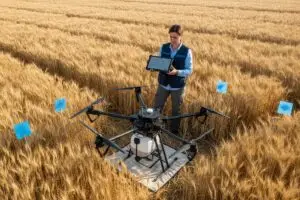
Самый большой финансовый риск для ваших клиентов — это не крушение дрона; это ветер. "Снос" происходит, когда распыляемое вещество перемещается за пределы целевой зоны на собственность соседа.
Если дрон распыляет гербицид на кукурузу, а ветер переносит его на органический виноградник соседа, иск может быть астрономическим. Сосед теряет свою органическую сертификацию и урожай. Стандартная авиационная ответственность исключает загрязнение и химикаты. Вашим клиентам специально требуется покрытие "химический снос" или "культуры и химикаты".
Премии за это высоки. Страховой полис с покрытием от сноса в $100 000 может стоить $3 500 в год. Увеличение этого лимита до $300 000 или $500 000 значительно увеличивает цену. Однако по сравнению с судебным иском от владельца виноградника, премия невелика.
Оценка факторов риска
Вы должны помочь своему клиенту оценить его конкретный профиль риска, чтобы выбрать правильные лимиты. Фермер, распыляющий гербицид на изолированные поля пшеницы в Северной Дакоте, имеет иной профиль риска, чем оператор, распыляющий гербицид вблизи пригородных жилых домов во Флориде.
Вот руководство, которое поможет вам рекомендовать лимиты в зависимости от их деятельности:
| Уровень риска | Типичная среда | Рекомендуемый нехимический предел | Рекомендуемый предел химического сноса |
|---|---|---|---|
| Низкий риск | Изолированные сельские районы, низкоценные соседние культуры (например, пастбища). | $500 000 – $1 миллион | $25 000 – $50 000 |
| Средний риск | Смешанное сельское хозяйство, стандартные пропашные культуры поблизости. | $1 миллион | $100 000 – $300 000 |
| Высокий риск | Рядом с органическими фермами, виноградниками, ульями или жилыми районами. | $2 миллиона+ | $500 000 – $1 миллион |
Различие между "перелетом" и "сносом"
Объясните своим клиентам разницу. "Снос" вызывается ветром. "Перелет" — это ошибка пилота (пролет не по той линии). Комплексное химическое покрытие должно охватывать оба случая, но многие более дешевые полисы имеют строгие исключения. Если пилот не проверил скорость ветра, и она превышала допустимый предел, страховая компания может отказать в выплате. Вот почему обучение так же важно, как и сам полис.
Существуют ли обязательные требования к авиационному страхованию, которые мне нужно объяснить моим американским клиентам?
Проверяя журналы полетов наших летчиков-испытателей, мы убеждаемся, что каждый протокол соответствует федеральным стандартам, однако многие покупатели полагают, что соответствие требованиям FAA автоматически означает страховое покрытие. Это заблуждение часто оставляет операторов юридически уязвимыми.
Хотя федеральное правительство не требует обязательного страхования авиации для частных операторов дронов, большинство штатов и страховщиков требуют его для коммерческого сельскохозяйственного опрыскивания. Кроме того, получение покрытия от химического сноса повсеместно требует подтверждения сертификации FAA Part 137 и лицензии пестицидного аппликатора штата.
Федеральная реальность против коммерческой
Технически, FAA (Федеральное управление гражданской авиации) не обязывает пилота дрона Лицензия Part 107 5 для покупки страховки для получения лицензии Part 107. Лицензия Part 107 6 Вы можете легально управлять дроном в коммерческих целях без копейки покрытия. Однако для сельскохозяйственных работ эта формальность вводит в заблуждение.
Для легального распыления химикатов оператору требуется Сертификат эксплуатации по Части 137. В ходе этого процесса сертификации FAA проверяет руководства по безопасности и навыки пилота. Хотя сама FAA уделяет внимание безопасности, бизнес-экосистема требует страхования.
Большинство штатов США требуют подтверждения финансовой ответственности (страховки) для выдачи Лицензия на применение пестицидов штата. Вы не можете легально распылять без этой лицензии штата, даже если у вас есть федеральная лицензия Part 137. Следовательно, страховка фактически становится обязательной.
Ловушка "Недействительная страховка"
Важное предупреждение, которое вы должны дать своим клиентам, касается соблюдения требований. Страховые полисы являются договорами. Они почти всегда содержат пункт, гласящий, что полис недействителен, если оператор нарушает закон.
Если ваш клиент покупает полис, но не имеет сертификата Part 137 Сертификат эксплуатации по Части 137 7, или если они распыляют химикат, не предназначенный для использования с воздуха, страховщик может отказать в выплате. Мы слишком часто видим, как это происходит. Клиент думает, что он защищен, но из-за того, что он пропустил регуляторный шаг, он летает с бесполезным клочком бумаги.
Вариации по штатам
Правила меняются при пересечении границ штатов. Например, в Миннесоте существуют строгие минимальные требования к страхованию для воздушных аппликаторов. В других штатах требования к облигациям могут быть ниже.
Мы советуем импортерам предоставлять "Чек-лист соответствия", а не просто продавать оборудование. Это добавляет ценности вашим услугам.
Чек-лист для действительного покрытия
Чтобы гарантировать, что их страховка действительно покроет убытки по претензии, ваш клиент должен предоставить андеррайтеру следующее:
| Документ/Требование | Назначение | Влияние на страхование |
|---|---|---|
| Часть 107 FAA | Сертификат удаленного пилота. | Основное требование для любого коммерческого полета. |
| FAA Часть 137 | Сельскохозяйственные авиационные операции. | Обязательно для покрытия ответственности за химикаты. |
| Лицензия государственного аппликатора | Разрешение на опрыскивание на уровне штата. | Требуется по закону штата и страховщиками. |
| Регистрация воздушного судна | FAA N-номер. | Идентифицирует конкретный актив в полисе. |
| Бортовые журналы | Запись операций. | Критически важное доказательство при расследовании претензии. |
Роль членства в NAAA
Многие ведущие страховщики в США предпочитают или требуют членства в Национальной ассоциации сельскохозяйственной авиации (NAAA). Национальная ассоциация сельскохозяйственной авиации 8 Хотя традиционно для пилотируемых самолетов, NAAA теперь предлагает ресурсы по безопасности дронов (PAASS Программа PAASS 9 program). Членство сигнализирует страховщику, что пилот является профессионалом, что иногда может снизить страховые взносы или открыть лучшие варианты покрытия.
Следует ли мне советовать покупателям приобретать страхование корпуса для покрытия потенциального ущерба оборудованию?
Мы строим наши рамы из углеродного волокна, чтобы они выдерживали суровые полевые условия, но ошибка пилота, столкнувшегося с линией электропередачи, — это то, чего не может предотвратить никакая инженерия. Замена полностью загруженного опрыскивающего агрегата — это значительный финансовый удар.
Да, советовать покупателям приобретать страхование корпуса разумно, поскольку сельскохозяйственные дроны являются дорогостоящими активами, подверженными авариям. Это покрытие оплачивает ремонт или замену самого дрона, что отличается от страхования ответственности, которое покрывает только ущерб, причиненный другим.

Защита актива, а не только пострадавшего
Страхование ответственности — это деньги, которые вы платите, чтобы защитить других. Страхование корпуса — это деньги, которые вы платите, чтобы защитить себя.
Сельскохозяйственные дроны дороги. Полностью оборудованный опрыскивающий дрон с аккумуляторами, зарядными устройствами и резервуарами для распыления может стоить от 20 000 до 40 000 долларов США. Если оператор врежется этим агрегатом в дерево, финансовые потери будут немедленными.
Страхование корпуса обычно стоит от 8% до 15% застрахованной стоимости дрона в год. Для дрона стоимостью 30 000 долларов США это примерно от 3 000 до 4 500 долларов США в год.
Мы рекомендуем это покрытие особенно для:
- Новые пилоты: Риск аварии наиболее высок в первые 50 часов полета.
- Финансируемое оборудование: Если клиент взял кредит на покупку дрона, банк, скорее всего, потребует страхование корпуса.
- Высокоинтенсивные операции: Полеты по 10 часов в день увеличивают статистическую вероятность усталости оборудования или ошибки.
Полезная нагрузка и наземное оборудование
Стандартное страхование корпуса может покрывать только каркас дрона. Вы должны напомнить клиентам застраховать "полезную нагрузку"."
Для сельскохозяйственных дронов полезная нагрузка включает:
- Мультиспектральные камеры (часто дорогие).
- Емкости для распыления и системы рассеивания.
- Базовые станции RTK.
Кроме того, наземное оборудование, такое как генераторы и высокопроизводительные зарядные устройства, часто оставляют в грузовиках или на полях. Это цели для кражи. Дополнение "Inland Marine" или "Ground Equipment" покрывает эти предметы от кражи или пожара. Inland Marine 10
Ответственность за киберриски: скрытая необходимость
Как производитель китайских дронов, мы осведомлены о пристальном внимании к безопасности данных. Хотя наши системы безопасны, американские компании сталкиваются с рисками "ответственности за киберриски".
Если дрон собирает данные о ферме клиента (урожайность, проблемы с землей), и эти данные взломаны или утекают, оператор может быть привлечен к ответственности. Кроме того, некоторые современные полисы предлагают покрытие "Cyber", которое защищает от "угона" (кто-то получает электронный контроль над дроном). Учитывая политический и технологический климат в 2026 году, добавление ответственности за киберриски является дальновидной рекомендацией.
Франшизы и амортизация
Предупредите своих клиентов о франшизах. Страховые полисы на корпус часто имеют франшизу в размере от 5% до 10% от застрахованной стоимости.
Также спросите о "Согласованной стоимости" против "Фактической денежной стоимости"."
- Согласованная стоимость: Если дрон полностью уничтожен, страховщик выплачивает первоначальную сумму, о которой вы договорились (например, $30,000).
- Фактическая денежная стоимость: Страховщик выплачивает текущая рыночная стоимость. Поскольку электроника быстро обесценивается, 2-летний дрон может стоить страховщику всего 10 000 рублей. Всегда рекомендуйте "Согласованную стоимость" для коммерческого оборудования.
Заключение
Помощь вашим клиентам в США в навигации по страховому лабиринту — это не только соблюдение требований; это обеспечение выживания их бизнеса в первый сезон. Рекомендуя сочетание ответственности за продукт для себя и надежный пакет ответственности "1/3/1" (химическая, корпус, авиация) для них, вы позиционируете себя как надежного партнера, а не просто поставщика оборудования. Проверьте их статус по Части 137, предложите страхование корпуса для их дорогостоящих активов и убедитесь, что они понимают риски строгой ответственности при воздушном применении.
Сноски
1. Определяет юридическую концепцию, согласно которой продавцы несут ответственность независимо от вины. ↩︎
2. Объясняет юридическую доктрину, согласно которой импортеры несут ответственность за дефекты продукта независимо от халатности. ↩︎
3. Отраслевое определение покрытия для претензий, предъявленных после истечения срока действия полиса. ↩︎
4. Юридическое объяснение претензий по ответственности за продукт, основанных на присущих недостатках. ↩︎
5. Официальные требования FAA для коммерческих операторов дронов. ↩︎
6. Официальные правила FAA для коммерческой эксплуатации малых беспилотных летательных аппаратов в США. ↩︎
7. Официальные правила FAA для сельскохозяйственных авиационных операций. ↩︎
8. Основная отраслевая организация США, предоставляющая стандарты безопасности и отстаивающая интересы операторов сельскохозяйственной авиации. ↩︎
9. Отраслевая программа обучения безопасности, разработанная для снижения количества несчастных случаев в секторе сельскохозяйственной авиации. ↩︎
10. Определяет специализированную категорию страхования, используемую для защиты мобильного оборудования и инструментов, используемых в полевых операциях. ↩︎
 English
  Español de México
  Deutsch
  Français
  Русский
  العربية
Comments
No comments yet. Be the first to share your thoughts!
Leave a Comment