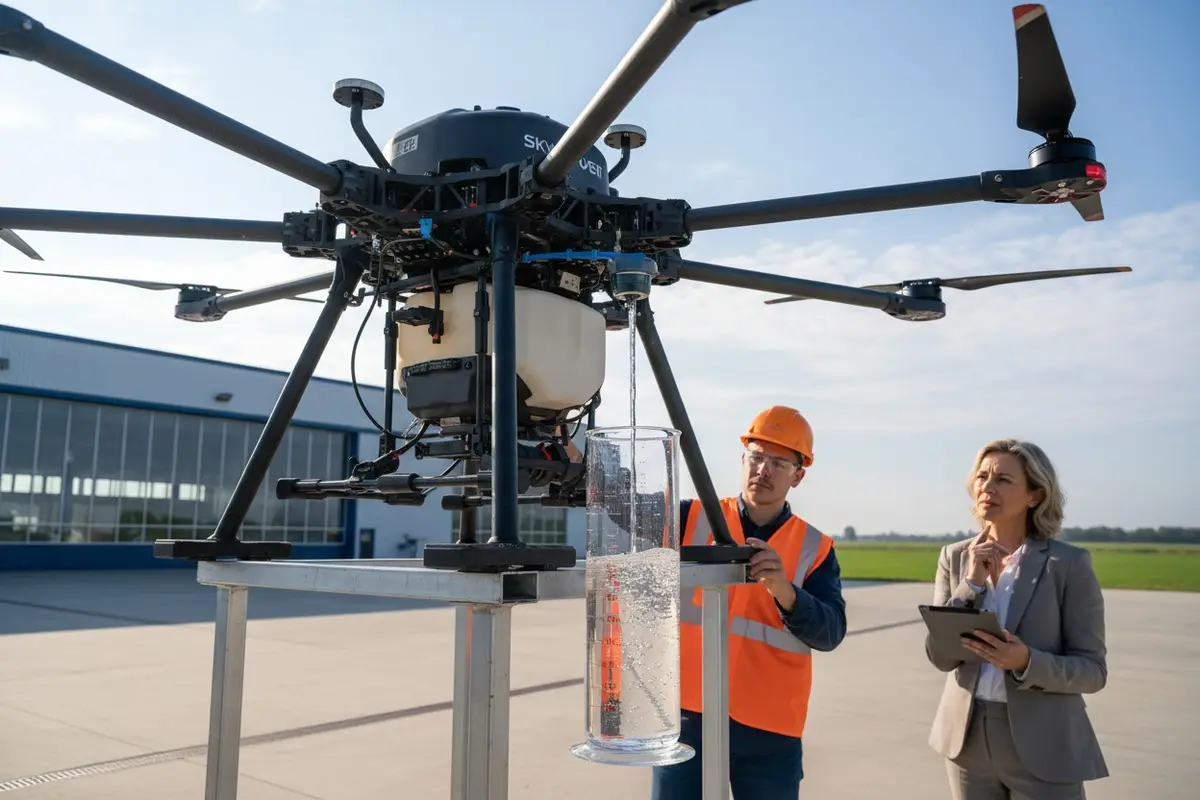

Chaque saison, notre équipe de service client reçoit des appels de agriculteurs frustrés qui découvrent que leurs drones nouvellement achetés pulvérisent 15-20% de produits chimiques en plus ou en moins que ce qui est affiché. La cause profonde ? Personne n'a testé la précision du débitmètre 1 à différentes vitesses avant l'achat. Cette négligence coûte des milliers en pesticides gaspillés et en cultures endommagées.
Pour évaluer la précision du débitmètre lors de l'achat de drones agricoles, demandez des démonstrations multi-débits à des débits bas, moyens et élevés. Effectuez des tests manuels de collecte à l'aide d'éprouvettes graduées, comparez les résultats aux relevés du drone et exigez des certificats d'étalonnage indiquant une précision de ±2% sur toute la plage de fonctionnement.
Les sections suivantes expliquent exactement comment tester, quels documents demander et quels signaux d'alerte surveiller pendant votre processus d'approvisionnement.
Comment puis-je tester la précision du débitmètre sur toute la plage de vitesses de fonctionnement du drone ?
Lorsque notre équipe d'ingénierie calibre de nouveaux drones agricoles 2 avant l'expédition, nous soumettons chaque unité à un protocole standardisé multi-débits. De nombreux acheteurs sautent cette étape et se fient uniquement aux spécifications d'usine. Cette confiance conduit souvent à des surprises coûteuses sur le terrain.
Testez la précision du débitmètre en effectuant des tests manuels de collecte à trois débits distincts : faible (5 L/min), moyen (7,5 L/min) et élevé (10+ L/min). Collectez le débit de pulvérisation de chaque buse pendant 30 à 60 secondes à l'aide d'éprouvettes graduées, pesez les résultats et comparez-les aux lectures affichées par le drone. Répétez deux fois pour la cohérence.

Comprendre pourquoi les tests multi-débits sont importants
Les débitmètres se comportent différemment à différentes vitesses. Un débitmètre affichant une précision de 2% à des débits moyens peut dériver à une erreur de 8-10% à des débits faibles. Cela se produit parce que les débitmètres à turbine 3 nécessitent un débit minimum pour tourner de manière constante. Les débitmètres électromagnétiques perdent de la force du signal aux extrêmes de débit. Seuls les débitmètres à ultrasons 4 maintiennent une précision constante sur les plages.
Lors de l'approvisionnement, n'acceptez jamais une démonstration à débit unique. Les vendeurs montrent souvent les performances à débit moyen car c'est là que la plupart des débitmètres fonctionnent le mieux. Vous avez besoin de données des trois zones.
Protocole de test de débit étape par étape
Voici le processus exact que nous utilisons dans notre département de contrôle qualité :
- Remplissez d'abord le réservoir avec de l'eau pure
- Purgez les conduites pendant 30 secondes pour éliminer les bulles d'air
- Positionnez des cylindres gradués 5 sous chaque buse
- Démarrez un chronomètre numérique simultanément à l'activation de la pompe
- Collectez pendant exactement 60 secondes
- Pesez l'eau collectée sur une balance de précision
- Calculez le débit réel : Volume (ml) ÷ Temps (secondes) × 60 = L/min
- Comparez à la lecture de l'écran du drone
- Enregistrez la différence en pourcentage
- Répétez aux réglages de pompe bas, moyen et élevé
Référence de calcul du débit
Utilisez cette formule pour déterminer les débits requis pour votre application :
Débit requis (L/min) = (Taux d'application L/ha × Vitesse m/s × Largeur de travail m) ÷ 60
| Scénario d'application | Vitesse | Largeur de passage | Taux d'application | Débit requis |
|---|---|---|---|---|
| Passage de reconnaissance lent | 4 m/s | 7,5 m | 10 L/ha | 5 L/min |
| Pulvérisation standard | 6 m/s | 7,5 m | 10 L/ha | 7,5 L/min |
| Couverture dense rapide | 8 m/s | 7,5 m | 10 L/ha | 10 L/min |
Seuils d'erreur acceptables
| Zone de débit | Erreur acceptable | Niveau d'alerte | Niveau de rejet |
|---|---|---|---|
| Bas (5 L/min) | ±3% | ±51% | >±8% |
| Moyen (7,5 L/min) | ±21% | ±41% | >±61% |
| Élevé (10+ L/min) | ±3% | ±51% | >±8% |
Si une zone dépasse les niveaux d'alerte, demandez une recalibration avant l'achat. Si des niveaux de rejet apparaissent, éloignez-vous complètement de cette unité.
Quelle documentation dois-je demander à mon fournisseur pour prouver l'exactitude à différents débits ?
Notre équipe d'exportation prépare des dossiers de documentation complets pour chaque expédition vers les États-Unis et l'Europe. Cependant, nous avons appris que de nombreux concurrents ne fournissent que des fiches techniques de base. Les acheteurs avisés savent exactement quels documents exiger et comment les vérifier.
Demandez des certificats d'étalonnage indiquant les résultats des tests à trois débits, des fiches techniques de débitmètres avec les indices de précision, des rapports de test tiers si disponibles, des journaux de maintenance historiques des unités de démonstration et des conditions de garantie couvrant spécifiquement le remplacement des débitmètres. La documentation de conformité ISO ajoute une crédibilité de vérification supplémentaire.
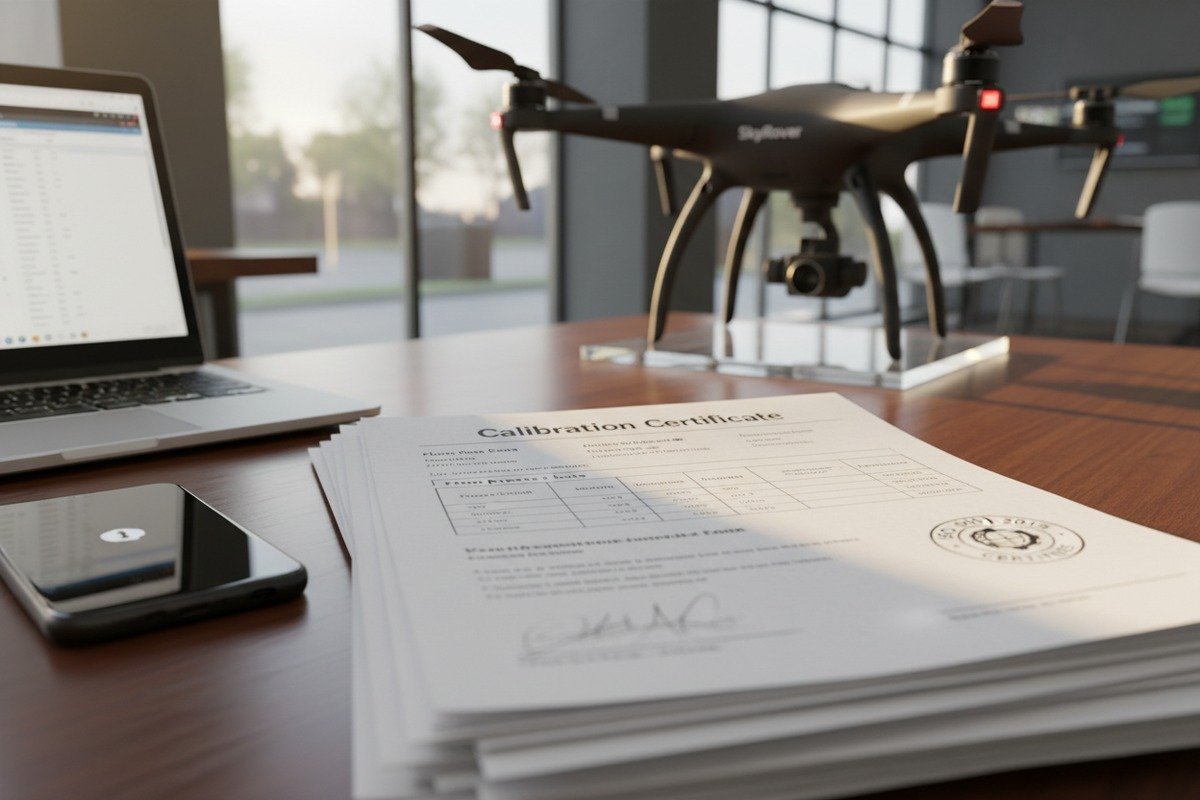
Liste de contrôle des documents essentiels
Lorsque nous préparons la documentation pour les responsables des achats, comme ceux des sociétés de distribution agricole, nous incluons des documents spécifiques qui prouvent les performances. Voici ce que vous devriez exiger :
Exigences relatives au certificat d'étalonnage
Un rapport d'analyse de défaillance certificat d'étalonnage 6 doit inclure :
- Date d'étalonnage (dans les 90 jours suivant l'achat)
- Numéro de série de l'unité spécifique
- Équipement de test utilisé avec son propre état de calibration
- Valeurs mesurées réelles à des débits bas, moyens et élevés
- Comparaison avec les valeurs affichées
- Calculs d'erreur en pourcentage
- Signature et qualifications du technicien
- Recommandation d'intervalle de re-test
Tableau comparatif de la documentation
| Type de document | Ce qu'il prouve | Signal d'alarme si absent |
|---|---|---|
| Certificat de calibration multi-débits | Précision sur la plage de fonctionnement | Le vendeur cache les mauvaises performances à faible débit |
| Fiche technique du débitmètre | Précision revendiquée par le fabricant | Origine ou qualité du compteur inconnue |
| Rapport de test par un tiers | Vérification indépendante | Se fier uniquement aux affirmations du vendeur |
| Journal de l'historique de maintenance | Données de fiabilité à long terme | Aucun historique de durabilité |
| Conditions de garantie pour le débitmètre | Confiance du fournisseur dans le produit | Forte attente de défaillance |
| Certificat de conformité ISO 4064 7 | Respect des normes internationales | Allégations de précision non vérifiées |
Comment vérifier l'authenticité des documents
Certains fournisseurs fournissent une documentation falsifiée ou obsolète. Protégez-vous en :
- Appelant le laboratoire d'essai tiers pour confirmer l'existence du rapport
- Vérifiant les dates d'étalonnage par rapport aux numéros de série de l'équipement
- Demandant les documents originaux plutôt que des photocopies
- Vérifiant les titres de compétences des techniciens par le biais de registres professionnels
- Comparant les spécifications directement aux sites Web des fabricants
Questions à poser à votre fournisseur
Préparez ces questions avant toute réunion d'approvisionnement :
- Quelle marque et quel modèle de débitmètre ce drone utilise-t-il ?
- Pouvez-vous démontrer la précision à 5 L/min, 7,5 L/min et 10 L/min ?
- Quand cette unité spécifique a-t-elle été calibrée pour la dernière fois ?
- Quel est l'intervalle de recalibration recommandé ?
- La garantie couvre-t-elle le remplacement du débitmètre si la précision se dégrade ?
- Pouvez-vous fournir les coordonnées du laboratoire de calibration ?
- Quelle est votre politique de retour si la précision ne correspond pas à la documentation ?
D'après notre expérience d'expédition à des distributeurs agricoles en Amérique du Nord, les acheteurs qui posent ces questions à l'avance évitent 90% des litiges après l'achat.
Comment puis-je garantir la précision du débitmètre lorsque je passe d'une viscosité chimique à une autre ?
Nos ingénieurs R&D ont découvert très tôt dans le développement du produit que le même débitmètre indiquant 7,5 L/min avec de l'eau pourrait indiquer 6,8 L/min avec des fongicides visqueux. viscosités chimiques 8 Les propriétés chimiques changent tout dans la mesure du débit. Les acheteurs qui ignorent ce facteur font face à des maux de tête constants de recalibration.
Assurez la précision du débitmètre sur les viscosités chimiques en sélectionnant des débitmètres à ultrasons ou électromagnétiques plutôt que des turbines, en demandant des fonctions de compensation de viscosité, en testant avec les produits chimiques réels lors des démonstrations et en établissant des courbes de calibration de base pour chaque produit que vous prévoyez de pulvériser.

Pourquoi la viscosité affecte la mesure du débit
Différents produits chimiques ont différentes épaisseurs. L'eau coule facilement. Les engrais concentrés se déplacent comme du sirop. Cette différence a un impact différent sur chaque type de compteur :
Compteurs à turbine utilisent des pales rotatives. Les fluides épais ralentissent la rotation des pales, entraînant une sous-estimation. L'erreur peut atteindre 15-20% avec des produits chimiques de haute viscosité.
Compteurs électromagnétiques mesurent les changements de conductivité électrique. Ils gèrent mieux la viscosité mais ont du mal avec les fluides non conducteurs comme certaines huiles.
Compteurs à ultrasons mesurent le temps de parcours des ondes sonores. Ils maintiennent une précision constante quelle que soit la viscosité car les ondes sonores pénètrent tous les types de fluides de manière égale.
Performance des débitmètres par viscosité
| Type de compteur | Précision de l'eau | Produit chimique à faible viscosité | Produit chimique à haute viscosité | Fluide non newtonien |
|---|---|---|---|---|
| Turbine | ±21% | ±41% | ±10-15% | ±20%+ |
| Électromagnétique | ±21% | ±21% | ±3% | ±51% |
| Ultrasons | ±21% | ±21% | ±21% | ±3% |
Tests pratiques avec vos produits chimiques
Avant de finaliser tout achat, apportez des échantillons des trois produits chimiques les plus couramment utilisés pour la pulvérisation. Demandez au vendeur de :
- Remplir le réservoir avec votre produit chimique
- Exécuter le protocole de test de capture à débit moyen
- Comparer les résultats à la référence de l'eau
- Documenter le facteur de correction nécessaire
Par exemple, si les tests avec de l'eau montrent 7,5 L/min et que votre fongicide montre 6,9 L/min avec le même réglage, vous avez besoin d'un facteur de correction de 8,7% pour ce produit chimique.
Création de votre bibliothèque d'étalonnage
Créez un tableau de référence pour chaque produit chimique :
| Type de produit chimique | Indice de viscosité | Facteur de correction | Notes |
|---|---|---|---|
| Référence de l'eau | 1,0 cP | 0% | Standard de référence |
| Herbicide standard | 1,2 cP | +2% | Ajustement minimal |
| Engrais concentré | 2,5 cP | +8% | Correction significative |
| Fongicide épais | 4,0 cP | +12% | Impact majeur sur la viscosité |
Stockez ce tableau dans l'application de vol ou la mémoire de votre contrôleur de drone. Changez les facteurs de correction chaque fois que vous changez de produit chimique.
Fonctionnalités de compensation avancées
Lors de l'évaluation des drones lors de l'achat, renseignez-vous sur la compensation automatique de la viscosité. Les systèmes haut de gamme comprennent :
- Capteurs de température qui s'ajustent aux changements de viscosité à mesure que les produits chimiques se réchauffent pendant le fonctionnement
- Profils préprogrammés pour les types de produits chimiques courants
- Algorithmes d'apprentissage qui affinent les corrections en fonction des données de pulvérisation réelles
- Options de remplacement manuel pour les formulations inhabituelles
Notre chaîne de production intègre ces fonctionnalités dans les modèles d'exportation spécifiquement parce que les agriculteurs américains et européens utilisent des portefeuilles de produits chimiques diversifiés. L'investissement dans une compensation appropriée permet d'économiser des heures de recalibrage manuel.
Pourquoi devrais-je accorder la priorité à la stabilité du débitmètre à de faibles débits lors de mon évaluation d'achat ?
Lorsque notre équipe de support technique analyse les plaintes sur le terrain, les problèmes de précision à faible débit apparaissent trois fois plus souvent que les problèmes à débit élevé. Les agriculteurs qui effectuent des traitements localisés de précision ou qui survolent lentement des cultures sensibles ont besoin de performances fiables à faible débit. Pourtant, la plupart des vendeurs ne démontrent que les débits moyens et élevés où les débitmètres fonctionnent le mieux.
Priorisez la stabilité à faible débit de décharge car les applications de précision telles que les traitements localisés, les passages de repérage lents et la pulvérisation de cultures sensibles nécessitent un dosage précis à 3-5 L/min. Les débitmètres à turbine échouent couramment à ces débits en raison d'un flux insuffisant pour maintenir une rotation constante des pales, entraînant des erreurs de mesure de 10 à 20 %.
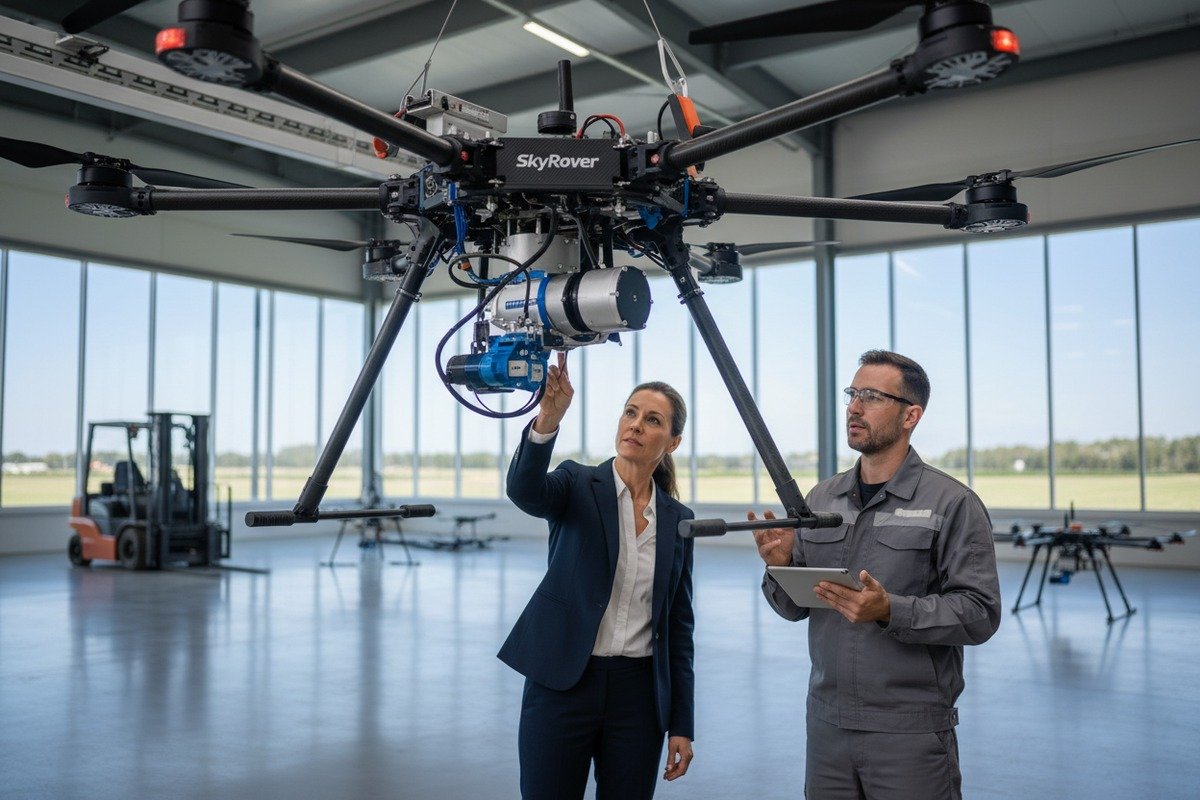
La physique derrière les problèmes de faible débit
Chaque débitmètre a un seuil de débit minimum fiable. En dessous de ce seuil, la mesure devient instable ou impossible.
Les débitmètres à turbine ont besoin d'une vitesse de fluide suffisante pour faire tourner leurs pales internes à une vitesse constante. À de faibles débits, les pales peuvent hésiter, s'arrêter ou tourner irrégulièrement. La lecture affichée fluctue considérablement.
Compteurs électromagnétiques 9 nécessitent un mouvement ionique suffisant pour générer des signaux électriques mesurables. Les produits chimiques dilués ou les faibles volumes de débit produisent des signaux faibles qui amplifient le bruit de mesure.
Les débitmètres à ultrasons rencontrent moins de problèmes à faible débit car les ondes sonores traversent n'importe quel volume de fluide. Cependant, les bulles d'air deviennent plus problématiques à faible débit lorsque le flux ne peut pas les évacuer du système.
Applications réelles à faible débit
Comprendre quand vous avez besoin de précision à faible débit permet de justifier son importance lors de l'achat :
| Type d'application | Débit typique | Impact sur la précision |
|---|---|---|
| Traitement localisé des mauvaises herbes | 3-4 L/min | Élevé – un surdosage endommage les cultures |
| Passes lentes sur jeunes semis | 4-5 L/min | Critique – plantes fragiles |
| Vergers de grande valeur | 5-6 L/min | Élevé – produits chimiques coûteux |
| Terrain pentu (vitesse réduite) | 4-5 L/min | Important – la sécurité exige un vol lent |
| Virages en bout de rang | Variable/faible | Modéré – exposition brève |
Comment tester la stabilité à faible débit
Lors des démonstrations d'achat, insistez sur ce test spécifique :
- Réglez la pompe à son réglage opérationnel le plus bas
- Faites fonctionner pendant 5 minutes en continu tout en surveillant l'affichage
- Surveillez les fluctuations de lecture (les chiffres qui sautent indiquent une instabilité)
- Effectuer trois tests de capture à intervalles de 60 secondes
- Calculer la variance entre les trois tests
- Variance acceptable : inférieure à 3%
- Variance d'avertissement : 3-5%
- Variance de rejet : supérieure à 5%
Évaluation de la surtension au démarrage
Les débitmètres affichent souvent de fausses lectures pendant le démarrage de la pompe. La surtension initiale peut afficher 150-200% du débit réel pendant 2 à 5 secondes. Cela affecte les calculs d'application totaux, en particulier lors de passages courts sur le terrain.
Demandez au vendeur de démontrer :
- Temps entre le démarrage de la pompe et la lecture stable
- Ampleur de la surtension au démarrage
- Si le contrôleur de vol compense la variance au démarrage
Nos systèmes de contrôle de vol comprennent des algorithmes de compensation de surtension qui ignorent les 3 premières secondes de données de débit. Tous les concurrents n'offrent pas cette fonctionnalité.
Dégradation à long terme à faible débit
Les débitmètres mécaniques s'usent le plus rapidement à faible débit car les pales subissent plus de friction par rapport à la vitesse d'écoulement. Demandez une documentation montrant :
- Précision attendue à faible débit après 500 heures de vol
- Intervalles de maintenance spécifiques aux applications à faible débit
- Disponibilité des pièces de rechange pour les composants usés
La norme de l'industrie suggère le remplacement du débitmètre à turbine à 700 heures, mais les utilisateurs intensifs à faible débit peuvent nécessiter un remplacement à 400-500 heures. Les débitmètres à ultrasons montrent une dégradation minimale à faible débit même après 1 500 heures.
Conclusion
L'évaluation de la précision du débitmètre à différents débits protège votre investissement et garantit un traitement efficace des cultures. Testez à des débits faibles, moyens et élevés. Exigez une documentation appropriée. Vérifiez les performances avec vos produits chimiques réels. Privilégiez la stabilité à faible débit pour le travail de précision.
Notes de bas de page
1. Explique les principes fondamentaux de la précision des débitmètres et la terminologie associée. ︎
2. Donne un aperçu des applications des drones dans l'agriculture provenant d'une source gouvernementale. ︎
3. Explique le principe de fonctionnement et la construction des débitmètres à turbine. ︎
4. Décrit la méthode par laquelle les débitmètres à ultrasons mesurent le débit de fluide. ︎
5. Définit et décrit les utilisations courantes des éprouvettes graduées en laboratoire. ︎
6. Fournit des informations sur les services d'étalonnage et la documentation associée provenant d'un organisme national de normalisation. ︎
7. Page officielle de la norme ISO 4064 relative aux compteurs d'eau, décrivant les exigences. ︎
8. Explique le concept scientifique de viscosité et son impact sur le débit des fluides. ︎
9. Détaille le principe de fonctionnement des débitmètres électromagnétiques basé sur la loi de Faraday. ︎

 English
  Español de México
  Deutsch
  Français
  Русский
  العربية
Comments
No comments yet. Be the first to share your thoughts!
Leave a Comment