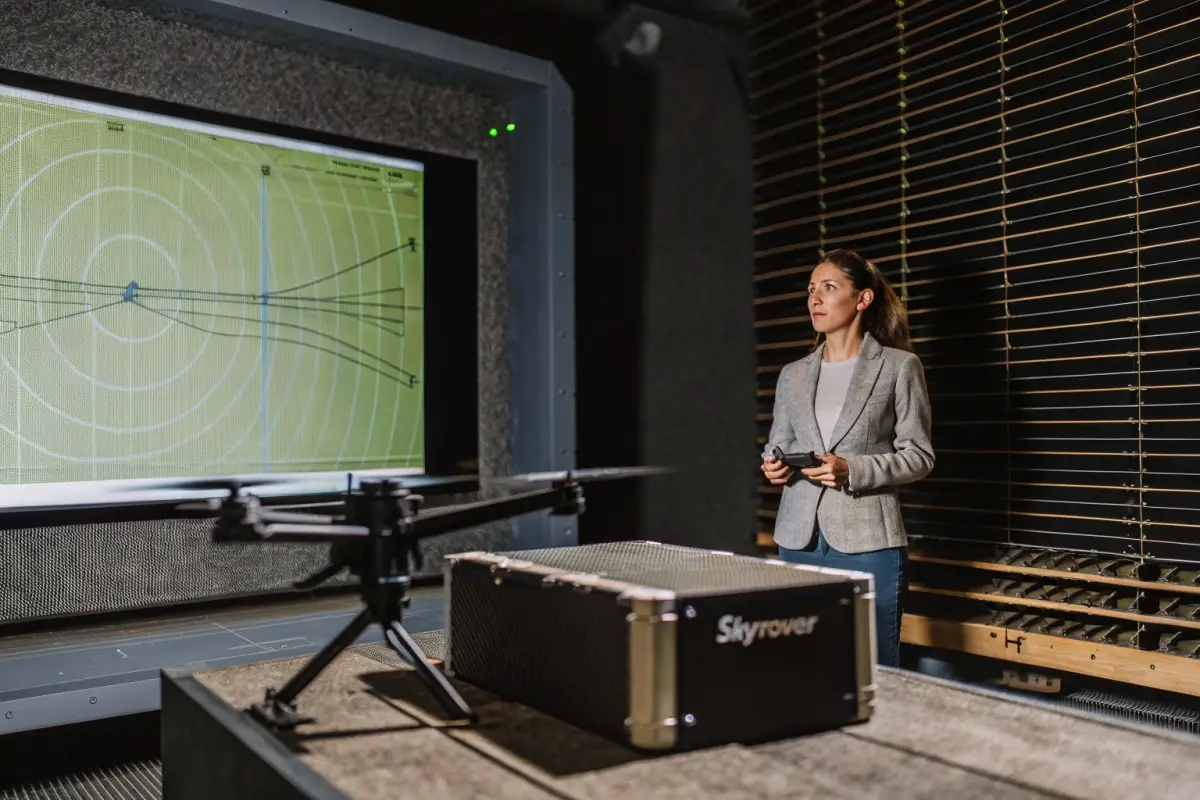

Lorsque notre équipe d'ingénierie teste drones de lutte contre les incendies 1 avant l'expédition, nous recevons toujours la même question des acheteurs : comment poids de la charge utile 2 affecte le temps de vol ? Cette confusion entraîne des erreurs coûteuses. Les départements achètent des drones qui ne peuvent pas accomplir leurs missions. L'équipement reste inutilisé car les opérateurs n'ont pas compris les courbes de performance.
Pour comparer efficacement les courbes de charge utile par rapport au temps de vol, les acheteurs doivent collecter les données de courbe auprès de plusieurs fournisseurs, normaliser les spécifications pour des conditions identiques, tracer les charges utiles pertinentes pour les missions de lutte contre les incendies, tenir compte des facteurs environnementaux tels que le vent et la température, et vérifier les données par des tests sur le terrain indépendants avant l'achat.
Comprendre ces courbes n'est pas une option. Cela détermine si votre drone revient en toute sécurité ou tombe du ciel en pleine mission. Laissez-moi vous expliquer exactement comment lire, comparer et vérifier ces spécifications critiques.
Comment interpréter avec précision les courbes de charge utile vs. temps de vol pour m'assurer qu'un drone répond aux exigences spécifiques de ma mission de lutte contre les incendies ?
Notre usine calibre chaque contrôleur de vol 3 avec des données de charge utile réelles. Pourtant, nous recevons toujours des appels de clients qui interprètent mal les spécifications. Ils s'attendaient à 50 minutes mais ont obtenu 30. Le problème n'est pas le drone. Le problème est la façon dont ils ont interprété les données de la courbe avant d'acheter.
Pour interpréter avec précision les courbes de charge utile vs. temps de vol, examinez l'axe des x pour les plages de poids de la charge utile, l'axe des y pour la durée du vol, identifiez la forme de la courbe (exponentielle pour les multi-rotors, linéaire pour les ailes fixes), notez les conditions de test spécifiées et calculez les performances attendues à votre poids de charge utile de mission réel.

Comprendre les axes de la courbe
L'axe des x représente le poids de la charge utile. Cela va de zéro à la capacité maximale. Pour les drones de lutte contre les incendies, attendez-vous à des plages de 0 à 10 kg. L'axe des y affiche le temps de vol en minutes. Certains fabricants affichent des heures pour les modèles à longue autonomie.
Une charge utile nulle signifie que le drone ne transporte rien de plus. Le temps de vol à zéro est votre référence. Chaque kilogramme que vous ajoutez vous déplace vers la droite sur la courbe et vers le bas en durée.
Reconnaître les formes de courbe
Drones multirotors 4 montrent une décroissance exponentielle rapide. L'ajout de 1 kg peut réduire immédiatement de 10 à 20 minutes. La relation n'est pas linéaire. Le premier kilogramme fait moins mal que le cinquième kilogramme.
Drones à voilure fixe et hybrides VTOL 5 affichent des courbes beaucoup plus plates. L'ajout de charge utile entraîne des réductions de temps plus faibles. Cela est important pour l'équipement lourd de lutte contre les incendies.
| Type de drone | Forme de la courbe | Sensibilité typique à la charge utile | Meilleur cas d'utilisation |
|---|---|---|---|
| Multi-rotor | Steep exponential | -10 à -20 min par kg | Incendies urbains, chutes de précision |
| Aile fixe | Linéaire/peu profond | -5 à -10 min par kg | Cartographie de grande zone |
| VTOL hybride | Très peu profond | -3 à -5 min par kg | Missions prolongées de feux de forêt |
Conditions de test de lecture
Les fabricants testent dans des conditions idéales. Pas de vent. Température ambiante. Batterie pleine. Altitude au niveau de la mer. Votre scène d'incendie n'a aucun de ces luxes.
Recherchez les notes de bas de page sur la courbe. Elles révèlent les paramètres de test. S'ils sont manquants, supposez des données dans le meilleur des cas. Appliquez vos propres déductions pour les conditions réelles.
Calcul de vos performances réelles
Listez votre charge utile de lutte contre les incendies. Une configuration typique comprend caméra thermique 6 (résolution 640×512), caméra zoom (30x) et éventuellement un petit goutte-à-goutte d'eau. Le poids total varie de 2 kg à 8 kg.
Trouvez ce poids sur l'axe des x. Tracez une ligne verticale jusqu'à la courbe. Tracez une ligne horizontale jusqu'à l'axe des y. C'est votre temps de vol attendu dans des conditions idéales.
Soustrayez maintenant 10-15 % pour les interférences de fumée. Soustrayez encore 5-10 % pour le vent. Ajoutez une marge de sécurité de batterie (atterrissage avec une charge de 20-30 %). Votre temps de mission réel apparaît.
Quelles étapes dois-je suivre pour comparer les courbes d'endurance de différents fournisseurs de drones industriels avant de m'engager dans un achat ?
Lorsque nous exportons des drones vers les services d'incendie en Europe et aux États-Unis, les responsables des achats partagent souvent les courbes de nos concurrents avec nous. Ils veulent des comparaisons honnêtes. Nous respectons cela. Cela montre qu'ils comprennent les enjeux de cette décision d'achat.
Pour comparer efficacement les courbes d'endurance des fournisseurs, demandez des données de courbes standardisées à chaque fabricant, normalisez les conditions de test à des paramètres identiques, créez des tracés superposés à l'aide d'un logiciel tableur, identifiez les points de croisement où un modèle surpasse un autre, et validez avec des références de clients existants dans des applications similaires.

Étape 1 : Demander les données complètes de la courbe
N'acceptez pas les spécifications ponctuelles. "55 minutes de temps de vol" ne vous dit rien d'utile. Exigez la courbe complète montrant les performances pour tous les poids de charge utile.
Demandez spécifiquement des courbes testées avec des charges utiles de lutte contre l'incendie attachées. Une courbe avec une petite caméra diffère considérablement d'une courbe avec une imagerie thermique plus un goutte-à-goutte d'eau.
Si les fabricants refusent de fournir les données de la courbe, abandonnez. Ils cachent de mauvaises caractéristiques de performance.
Étape 2 : Normaliser les conditions de test
Différents fabricants testent dans des conditions différentes. L'un teste à 20°C. Un autre à 25°C. La température affecte les performances de la batterie 7 de manière significative.
Créez une liste de contrôle de normalisation :
| Paramètres | Valeur standard | Facteur d'ajustement |
|---|---|---|
| Température | 20°C | ±21% par écart de 5°C |
| Vitesse du vent | 0 m/s | -5% par augmentation de 5 m/s |
| Altitude | Niveau de la mer | -3% par élévation de 1000m |
| Âge de la batterie | Neuf | -10% après 100 cycles |
| Consommation électrique de la charge utile | Zéro | -10-20% pour les charges utiles alimentées |
Appliquez ces ajustements pour ramener toutes les courbes à des conditions équivalentes.
Étape 3 : Créer des tracés superposés
Utilisez Excel, Google Sheets ou un logiciel de planification de mission. Tracez toutes les courbes des fournisseurs sur le même graphique. Utilisez des échelles d'axes identiques.
Codez chaque fabricant par couleur. Recherchez les points de croisement. Un drone peut être plus performant à faible charge mais moins performant à forte charge.
Étape 4 : Concentrez-vous sur votre plage de fonctionnement
Marquez votre plage de charge utile requise sur le graphique. Si vous volez toujours avec 3 à 5 kg d'équipement, ignorez les performances inférieures à 3 kg ou supérieures à 5 kg.
Le meilleur drone pour votre mission n'aura peut-être pas la durée de vol maximale la plus élevée. Il a besoin des meilleures performances à votre charge utile spécifique.
Étape 5 : Vérifiez avec les références clients
Demandez à chaque fournisseur trois références clients utilisant des configurations similaires. Contactez directement ces références. Renseignez-vous sur les performances réelles par rapport aux spécifications annoncées.
Notre équipe d'ingénierie encourage ce processus. Les fabricants honnêtes accueillent la vérification. Les malhonnêtes l'évitent.
Étape 6 : Calculez le coût total de possession
Des durées de vol plus longues réduisent les cycles de batterie. Moins de changements de batterie signifient moins de coûts d'exploitation 8. Un drone avec 30% d'autonomie supplémentaire à votre poids de charge utile peut économiser 30% sur les coûts de remplacement de batterie sur cinq ans.
| Facteur de coût | Drone à faible autonomie | Drone à longue autonomie |
|---|---|---|
| Prix d'achat | $15,000 | $25,000 |
| Batteries par an | 24 | 16 |
| Coût de la batterie par unité | $800 | $800 |
| Coût annuel de la batterie | $19,200 | $12,800 |
| Coût de la batterie sur 5 ans | $96,000 | $64,000 |
| Coût total sur 5 ans | $111,000 | $89,000 |
Le drone le moins cher coûte plus cher sur la durée.
Comment puis-je vérifier que les données de temps de vol sur une courbe de fabricant resteront fiables dans mes conditions opérationnelles réelles ?
D'après notre expérience d'expédition à des services d'incendie dans 30 pays, nous avons appris une vérité. Les données de laboratoire ne correspondent jamais à la réalité du terrain. La fumée, la chaleur, le vent et l'altitude se combinent pour dégrader les performances. Les acheteurs avisés vérifient avant d'acheter.
Pour vérifier les données de temps de vol du fabricant dans des conditions réelles, demandez des démonstrations sur site avec votre configuration de charge utile réelle, effectuez des tests dans des conditions environnementales représentatives, comparez les résultats aux courbes publiées, exigez des garanties de performance écrites avec des pénalités en cas de lacunes, et établissez des protocoles de surveillance continus pour le suivi des performances de la flotte.

Facteurs de dégradation environnementale
Les scènes d'incendie créent des conditions hostiles pour les drones. Les courants ascendants thermiques déstabilisent le vol. Les particules de fumée réduisent la visibilité et peuvent affecter les capteurs. Les températures élevées sollicitent les batteries et les moteurs.
Lorsque nous testons nos drones avant l'expédition, nous simulons ces conditions. Mais la simulation ne capture jamais tout. Votre environnement opérationnel est unique.
Attendez-vous à une réduction de 20 à 40 % par rapport aux spécifications publiées lors de missions réelles de lutte contre les incendies. C'est normal. Tout fabricant affirmant le contraire vous trompe.
Demande de démonstrations sur le terrain
Demandez aux fournisseurs de démontrer les drones dans vos locaux. Spécifiez les configurations exactes de la charge utile. Effectuez des tests pendant les conditions météorologiques typiques de votre région.
Mesurez les temps de vol réels. Comparez-les aux courbes publiées. Calculez le pourcentage d'écart. Cet écart révèle à quel point les tests du fabricant étaient conservateurs ou agressifs.
Établir des références de performance
Créez des protocoles de test standardisés pour votre équipe :
- Chargez la batterie à 100 %
- Configurer la charge utile standard
- Enregistrer la température ambiante et la vitesse du vent
- Exécuter le schéma de vol prédéterminé
- Atterrir lorsque la batterie atteint 25%
- Enregistrer le temps de vol total et la distance
Répéter mensuellement. Suivre les tendances. La dégradation de la batterie et l'usure du moteur apparaîtront dans les données.
Exiger des garanties écrites
Nos contrats de vente comprennent des spécifications de performance. Si un drone ne répond pas aux courbes publiées dans des conditions spécifiées, nous fournissons des recours. Cela peut inclure le remplacement de pièces, des mises à jour logicielles ou l'échange d'unités.
Demandez à chaque fournisseur : que se passe-t-il si le drone sous-performe ? Des réponses vagues indiquent qu'ils manquent de confiance dans leurs spécifications.
Prise en compte de la consommation d'énergie de la charge utile
Les charges utiles de lutte contre l'incendie consomment de l'énergie. Une caméra thermique haute résolution consomme 10-20% de capacité de batterie supplémentaire. Les modules de traitement IA en ajoutent davantage.
Demandez aux fabricants des courbes montrant les charges utiles alimentées par rapport aux charges utiles non alimentées. La différence révèle la véritable autonomie de la mission.
Établir des marges de sécurité
Ne planifiez jamais de missions à 100% du temps de vol vérifié. Prévoyez des marges pour :
- Vents contraires inattendus au retour
- Temps prolongé au-dessus de la cible
- Navigation autour des obstacles
- Procédures d'urgence
Une marge de sécurité de 20 % empêche les catastrophes. Si le temps de vol vérifié est de 40 minutes avec votre charge utile, planifiez des missions de 32 minutes maximum.
Pourquoi la pente de la courbe de charge utile est-elle essentielle à ma décision lorsque je dois équilibrer un équipement d'extinction d'incendie lourd avec la durée de la mission ?
Nos ingénieurs passent des semaines à optimiser les paramètres du contrôleur de vol pour aplatir les courbes de charge utile. Une petite amélioration de la pente se traduit par des avantages opérationnels majeurs. Les services d'incendie transportant des caméras thermiques lourdes et des systèmes d'eau ont besoin de chaque minute qu'ils peuvent obtenir.
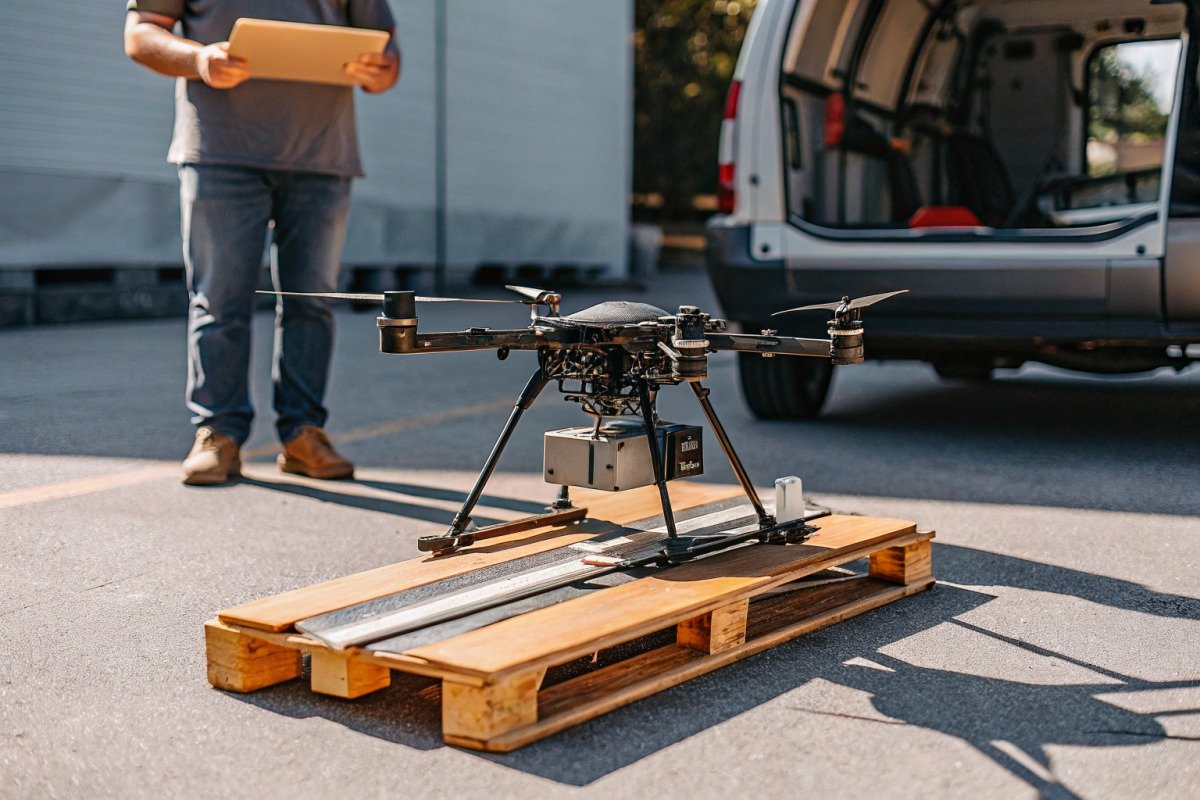
La pente de la courbe de charge utile détermine à quel point votre temps de vol diminue drastiquement à mesure que le poids de l'équipement augmente. Une pente raide signifie que les charges utiles lourdes limitent sévèrement la durée de la mission, tandis qu'une pente faible indique que le drone maintient son autonomie même lorsqu'il est fortement chargé, ce qui le rend adapté aux opérations de lutte contre les incendies prolongées avec un équipement substantiel.
Comprendre les mathématiques de la pente
La pente mesure le taux de changement. Dans les courbes de charge utile, elle indique les minutes perdues par kilogramme ajouté. Calculez la pente en divisant le changement de temps de vol par le changement de charge utile entre deux points.
Une pente de -15 min/kg signifie que chaque kilogramme coûte 15 minutes. Une pente de -5 min/kg signifie que le même kilogramme ne coûte que 5 minutes. Le second drone transporte des charges lourdes beaucoup plus efficacement.
Pourquoi la pente est plus importante que le maximum
Considérez deux drones :
- Drone A : 60 minutes à 0 kg, pente de -12 min/kg
- Drone B : 50 minutes à 0 kg, pente de -5 min/kg
À charge utile nulle, le Drone A gagne. Mais la lutte contre les incendies nécessite une charge utile. À 4 kg :
- Drone A : 60 – (4 × 12) = 12 minutes
- Drone B : 50 – (4 × 5) = 30 minutes
Le drone B offre 150% de temps de mission supplémentaire avec l'équipement de lutte contre l'incendie.
Variations de pente par type de drone
| Catégorie de drone | Pente typique | Impact de la charge utile de 5 kg | Adéquation de la mission |
|---|---|---|---|
| Multi-rotor grand public | -15 à -20 min/kg | -75 à -100 min | Non recommandé |
| Multi-rotor industriel | -10 à -15 min/kg | -50 à -75 min | Courtes missions urbaines |
| Aile fixe | -5 à -10 min/kg | -25 à -50 min | Surveillance de zone étendue |
| VTOL hybride | -3 à -7 min/kg | -15 à -35 min | Lutte étendue contre les incendies |
Les drones hybrides VTOL comme notre série CW atteignent des pentes faibles grâce à portance aérodynamique 9 en vol de croisière. Les multirotors dépendent entièrement de la poussée des moteurs, créant des pénalités plus importantes.
Optimisation de votre charge d'équipement
Chaque gramme compte lorsque les pentes sont raides. Évaluez chaque composant :
- Pouvez-vous utiliser une caméra thermique plus légère ?
- La capacité de zoom est-elle essentielle pour chaque mission ?
- Pouvez-vous échanger des composants entre les vols plutôt que de tout transporter ?
Les baies de charge utile modulaires permettent l'optimisation. Transportez uniquement la thermique pour une évaluation initiale. Revenez et échangez pour l'équipement d'intervention ciblé.
Changements de pente sur la courbe
Les pentes ne sont pas constantes. Les courbes des multirotors s'accentuent à mesure que la charge utile augmente. La pénalité pour le cinquième kilogramme dépasse la pénalité pour le premier.
Examinez la pente à plusieurs points. Calculez la pente séparément de 0 à 2 kg, de 2 à 4 kg et de 4 à 6 kg. Cela révèle où les performances se dégradent le plus sévèrement.
Prise de décisions basées sur la pente
Lors de la comparaison des fournisseurs, créez un tableau comparatif des pentes :
| Fabricant | Pente 0-2kg | Pente 2-4kg | Pente 4-6kg | Pente moyenne |
|---|---|---|---|---|
| Fournisseur A | -8 min/kg | -12 min/kg | -18 min/kg | -12,7 min/kg |
| Fournisseur B | -6 min/kg | -7 min/kg | -9 min/kg | -7,3 min/kg |
| Fournisseur C | -10 min/kg | -14 min/kg | -20 min/kg | -14,7 min/kg |
Le fournisseur B maintient des performances constantes sur différentes plages de charge utile. Cette prévisibilité facilite la planification de mission.
Équilibrer la pente par rapport à d'autres facteurs
Les pentes faibles s'accompagnent souvent de compromis. Les drones hybrides avec des courbes plates nécessitent des séquences de décollage plus longues. Ils peuvent être plus bruyants. Les coûts initiaux sont plus élevés.
Évaluez si les avantages opérationnels justifient ces compromis. Pour une surveillance prolongée des incendies de forêt, la réponse est généralement oui. Pour une réponse urbaine rapide, l'agilité des multi-rotors peut l'emporter sur les inconvénients de la pente.
Conclusion
La comparaison des courbes de charge utile par rapport à l'autonomie de vol sépare les acheteurs éclairés des déçus. Concentrez-vous sur les pentes des courbes, normalisez les conditions de test, vérifiez avec des démonstrations sur le terrain et calculez toujours les performances avec votre charge utile de mission réelle. La bonne analyse sauve des missions et des vies.
Notes de bas de page
1. Fournit un aperçu des applications des drones dans la lutte contre les incendies. ︎
2. Définit la capacité de charge utile d'un drone et les facteurs qui l'influencent. ︎
3. Explique la fonction et l'importance du contrôleur de vol d'un drone. ︎
4. Offre un aperçu des caractéristiques et de la conception des drones multi-rotors. ︎
5. Le lien d'origine avait un statut HTTP inconnu. Ce remplacement offre un guide approfondi sur les drones VTOL, y compris les types à voilure fixe et hybrides. ︎
6. Explique la technologie et l'application des caméras thermiques dans les drones. ︎
7. Discute des facteurs influençant les performances et la durée de vie de la batterie des drones. ︎
8. Détaille les différents composants contribuant aux coûts d'exploitation des drones. ︎
9. Explique le principe fondamental de la portance aérodynamique dans les aéronefs. ︎
 English
  Español de México
  Deutsch
  Français
  Русский
  العربية
Comments
No comments yet. Be the first to share your thoughts!
Leave a Comment