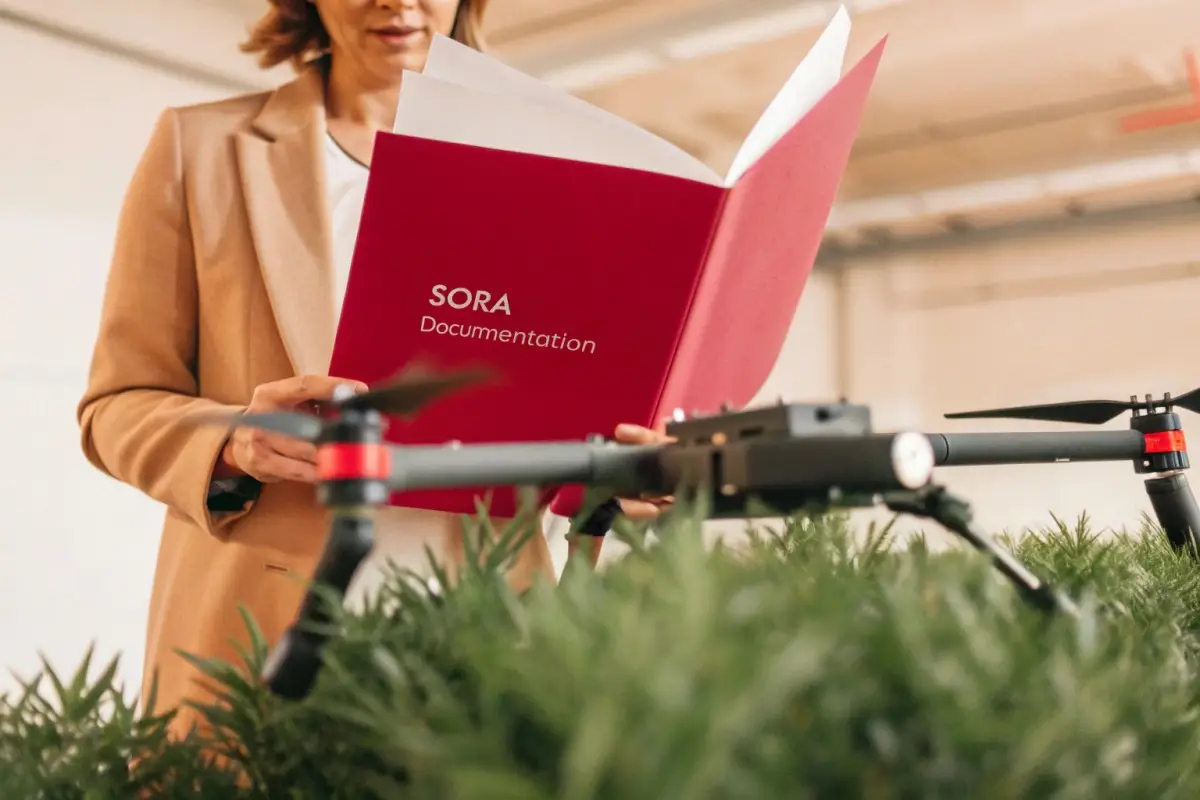
Cuando nuestro equipo de ingeniería diseña drones contra incendios para mercados europeos, vemos a muchos gerentes de adquisiciones tener dificultades Documentación SORA 1. Se enfrentan a proveedores que afirman cumplir con la EASA pero no pueden explicar los procesos básicos de evaluación de riesgos. Esta brecha crea serios problemas durante la autorización.
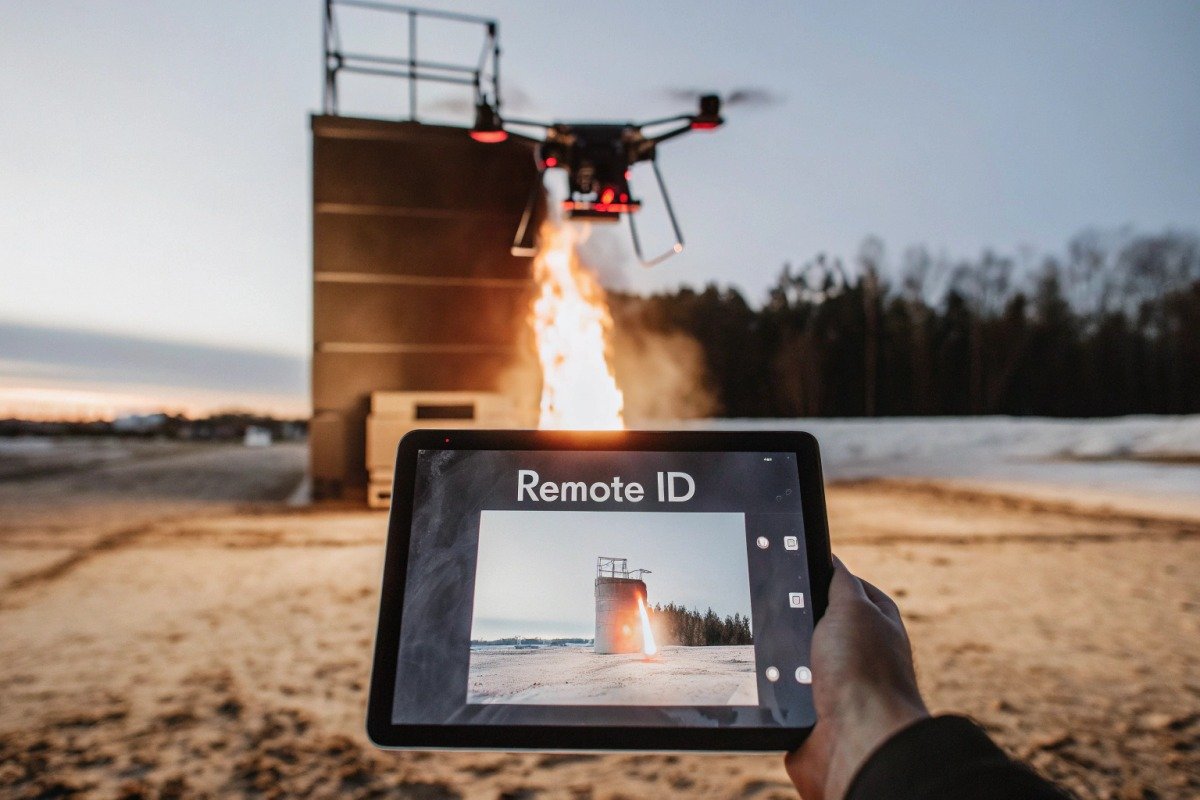
Para evaluar el conocimiento del proveedor en la Categoría Específica de EASA, solicite la documentación SORA completada, verifique la certificación de drones de clase C (C5 o C6), confirme el cumplimiento de Remote ID, revise las aprobaciones pasadas de la Autoridad Nacional de Aviación y evalúe sus programas de capacitación de pilotos alineados con los requisitos de la UE para operaciones de emergencia.
Las siguientes secciones detallan exactamente qué documentos solicitar, cómo evaluar las capacidades de soporte SORA, qué estándares de ingeniería son importantes y qué evidencia de cumplimiento separa a los socios calificados de los proveedores riesgosos.
¿Qué documentación técnica debo solicitar para demostrar que mi proveedor comprende los requisitos de la Categoría Específica de EASA?
Nuestro equipo de ventas recibe esta pregunta semanalmente de distribuidores de la UE Certificación de drones clase C 2. Muchos proveedores muestran folletos de productos llamativos pero no logran producir la documentación regulatoria que realmente importa. Sin la documentación adecuada, su proceso de autorización se detiene durante meses.
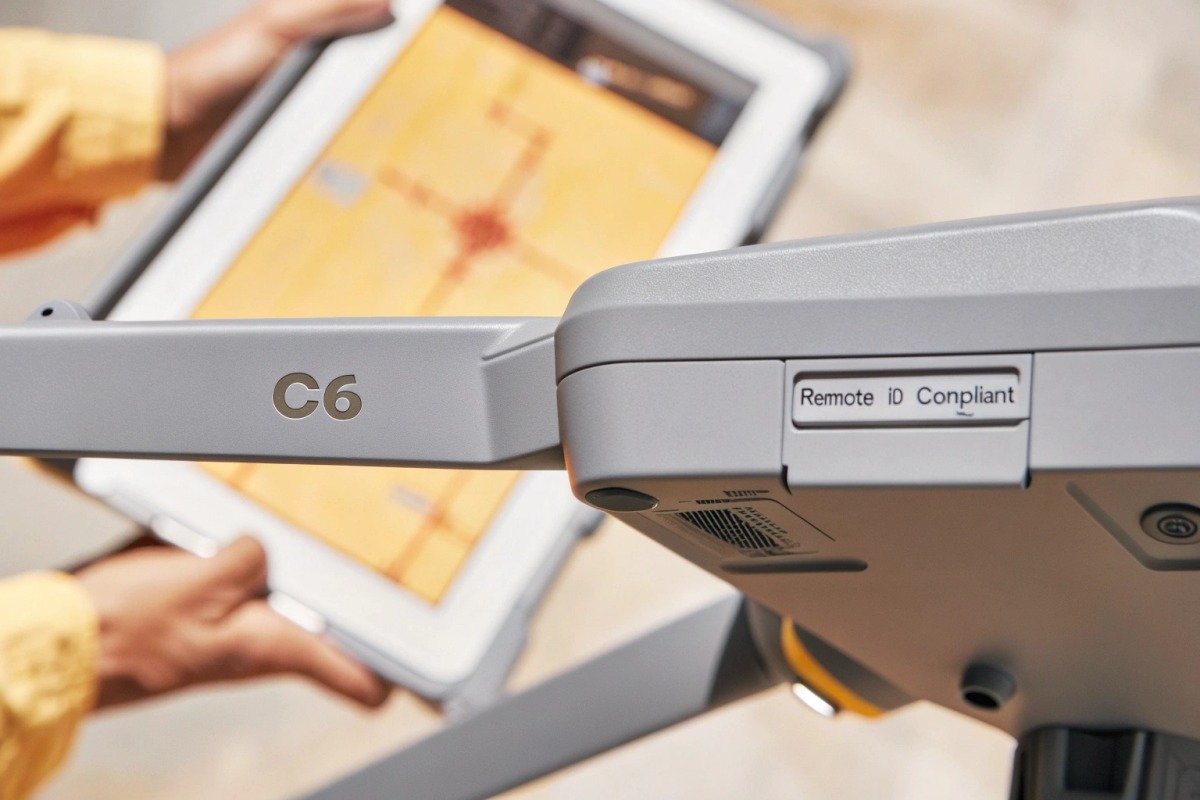
Solicite estos documentos esenciales: etiquetas de certificación Clase C (C5/C6), certificados de cumplimiento de identificación remota, especificaciones del sistema de terminación de vuelo, informes de capacidad de geo-conciencia y muestras de presentaciones SORA. Estos demuestran una experiencia genuina en la Categoría Específica de EASA frente a afirmaciones de marketing superficiales.
Comprensión de la Jerarquía de Documentación
La documentación técnica para Categoría Específica de EASA 3 se divide en tres niveles. El primer nivel cubre la certificación básica del producto. El segundo nivel aborda los sistemas de seguridad operativa. El tercer nivel demuestra la capacidad de evaluación de riesgos.
En nuestras instalaciones de producción, mantenemos paquetes de documentación completos para cada modelo de dron. Esta práctica proviene de años de exportación a Alemania, Francia y otros estados miembros de la UE. La documentación incompleta causa retrasos en la aduana y fallos en las presentaciones de la NAA.
Lista de verificación de documentos esenciales
| Tipo de documento | Objetivo | Bandera roja si falta |
|---|---|---|
| Certificado Clase C | Demuestra que el dron cumple con los estándares técnicos | No puede operar en Categoría Específica |
| Cumplimiento de Identificación Remota 4 | Requerido desde enero de 2024 | Ilegal volar en el espacio aéreo de la UE |
| 1. Especificaciones FTS | 2. Muestra capacidad de terminación de emergencia | 3. El caso de seguridad será rechazado |
| 4. Informe de Geo-Conciencia | 5. Demuestra cumplimiento del espacio aéreo | 6. Se aplican limitaciones operativas |
| 7. Muestra SORA | 8. Demuestra experiencia en evaluación de riesgos | 9. El proveedor carece de conocimiento de autorización |
10. Documentación del Sistema de Terminación de Vuelo
11. Los drones C6 requieren un sistema de terminación de vuelo independiente 12. . Este sistema debe estar separado del piloto automático principal. Nuestros ingenieros diseñan estos sistemas con disparadores redundantes. 5. 13. La documentación debe incluir:.
14. Diagramas de arquitectura del sistema
- 15. Datos de pruebas de fiabilidad
- Análisis de modos de fallo
- Reliability testing data
- Tiempos de respuesta de activación
- Especificaciones de respaldo de batería
Cuando probamos nuestros sistemas de terminación de vuelo, documentamos cada parámetro. Esta documentación se vuelve crítica durante la revisión de la NAA. Los proveedores que no pueden proporcionar datos detallados de FTS probablemente no comprenden los requisitos de C6.
Especificaciones técnicas de identificación remota
La identificación remota transmite campos de datos específicos en tiempo real. Su proveedor debe proporcionar pruebas de que su sistema transmite toda la información requerida. Los datos deben ser a prueba de manipulaciones, excepto los números de registro del operador.
| Datos de transmisión requeridos | Modificación permitida |
|---|---|
| Número de registro del operador | Sí |
| Número de serie del dron | No |
| Posición geográfica | No |
| Altitud | No |
| Velocidad en tierra | No |
| Estado de emergencia | No |
| Marca de tiempo | No |
Pida a su proveedor su informe de certificación de Identificación Remota. Este informe debe provenir de un organismo de pruebas acreditado. Sin esta certificación, el dron no puede operar legalmente en ningún estado miembro de la UE.
¿Cómo puedo evaluar si un fabricante puede respaldar mi solicitud de SORA para misiones de extinción de incendios?
En nuestra experiencia apoyando a distribuidores a través de autorizaciones europeas, hemos aprendido que la capacidad SORA diferencia a los fabricantes profesionales de los talleres de montaje. Las misiones de extinción de incendios requieren complejas evaluaciones de riesgos que la mayoría de los proveedores no pueden ofrecer.
Evaluar la capacidad de soporte de SORA solicitando ejemplos previos de SORA, preguntando sobre las metodologías de evaluación de riesgos en tierra y en el aire, verificando la familiaridad con las medidas de mitigación y confirmando la experiencia con procesos de aprobación específicos de la NAA en diferentes estados miembros de la UE.

Las Tres Vías de Autorización
EASA ofrece tres rutas para la autorización de Categoría Específica. Cada vía se adapta a diferentes perfiles operativos. Comprender estas vías le ayuda a evaluar la experiencia del proveedor.
Las Plantillas de Escenarios Estándar funcionan para misiones comunes y predefinidas. Las Evaluaciones de Riesgos Predefinidas se aplican a perfiles de riesgo establecidos. SORA permite un análisis de riesgos personalizado para operaciones únicas como la extinción de incendios.
Los drones de extinción de incendios casi siempre requieren SORA completo. Las misiones implican operaciones BVLOS, proximidad a estructuras y condiciones meteorológicas variables. Los escenarios estándar rara vez cubren estas complejidades.
Cómo es el Soporte SORA
Cuando nuestro equipo técnico ayuda a los clientes a preparar solicitudes SORA, proporcionamos entregables específicos. Un proveedor capaz debería ofrecer un soporte similar.
| Componente SORA | El Proveedor Debería Proporcionar |
|---|---|
| Descripción del ConOps | Documentación detallada del perfil de la misión |
| Evaluación de Riesgos en Tierra 6 | Análisis de las áreas sobrevoladas y la densidad de población |
| Evaluación de Riesgos en el Aire 7 | Evaluación y mitigación del riesgo de colisión |
| Medidas de Mitigación | Salvaguardas técnicas y operativas |
| Emergency Procedures | Protocolos de respuesta ante fallos del sistema |
Determinación de la clase de riesgo en tierra
SORA utiliza una clase de riesgo intrínseca en tierra basada en las características del dron y el entorno operativo. Para drones de extinción de incendios que pesan más de 8 kg, la clase de riesgo inicial en tierra suele ser alta.
La mitigación reduce este riesgo a niveles aceptables. Su proveedor debe explicar:
- Cómo el diseño de su dron reduce la energía de impacto
- Qué medidas de contención recomiendan
- Qué restricciones operativas se aplican
- Cómo funcionan los procedimientos de respuesta a emergencias
Los proveedores que no estén familiarizados con la terminología de riesgo en tierra no podrán respaldar eficazmente su autorización.
Experiencia en evaluación de riesgos aéreos
La evaluación de riesgos aéreos examina la probabilidad de colisión con aeronaves tripuladas. Las zonas de extinción de incendios a menudo se superponen con operaciones de extinción de incendios aéreas. Esto crea requisitos complejos de coordinación del espacio aéreo.
Haga estas preguntas a los proveedores potenciales:
- ¿Ha apoyado solicitudes de SORA que involucren espacio aéreo compartido con aeronaves tripuladas?
- ¿Qué mitigaciones de riesgo aéreo permite su sistema?
- ¿Puede proporcionar referencias de clientes que hayan obtenido autorización BVLOS?
- ¿Cómo se integra su sistema con los servicios U-space?
Nuestro equipo de ingeniería diseña sistemas de detección específicamente para estos escenarios. Entendemos que la coordinación aérea es fundamental para la seguridad en la lucha contra incendios.
Historial de Aprobaciones de la NAA
Cada estado miembro de la UE tiene su propio Autoridad Nacional de Aviación 8. Si bien EASA establece normas armonizadas, los procesos de aprobación varían según el país. Los proveedores experimentados navegan por estas diferencias.
Solicitar información específica:
- ¿Qué NAA han aprobado operaciones con sus drones?
- ¿Cuál fue el plazo medio de aprobación?
- ¿Pueden proporcionar contactos de clientes como referencia?
- ¿Ofrecen soporte regulatorio en el país?
¿Tiene mi proveedor de drones la experiencia de ingeniería necesaria para cumplir con los estándares mejorados de seguridad y contención de EASA?
Cuando calibran nuestros controladores de vuelo para modelos europeos, aplicamos márgenes de seguridad que superan los requisitos mínimos. Esta filosofía de ingeniería refleja nuestra comprensión del enfoque de EASA. Muchos proveedores cumplen las especificaciones de papel, pero carecen del pensamiento de diseño detrás del cumplimiento real de la seguridad.
Evalúe la experiencia en ingeniería examinando la independencia del sistema de terminación de vuelo, evaluando la arquitectura de redundancia de sensores, revisando la documentación de análisis de modos de falla y verificando que las medidas de contención se alineen con los volúmenes operativos declarados y los cálculos del margen de riesgo en tierra.
Arquitectura del Sistema de Seguridad
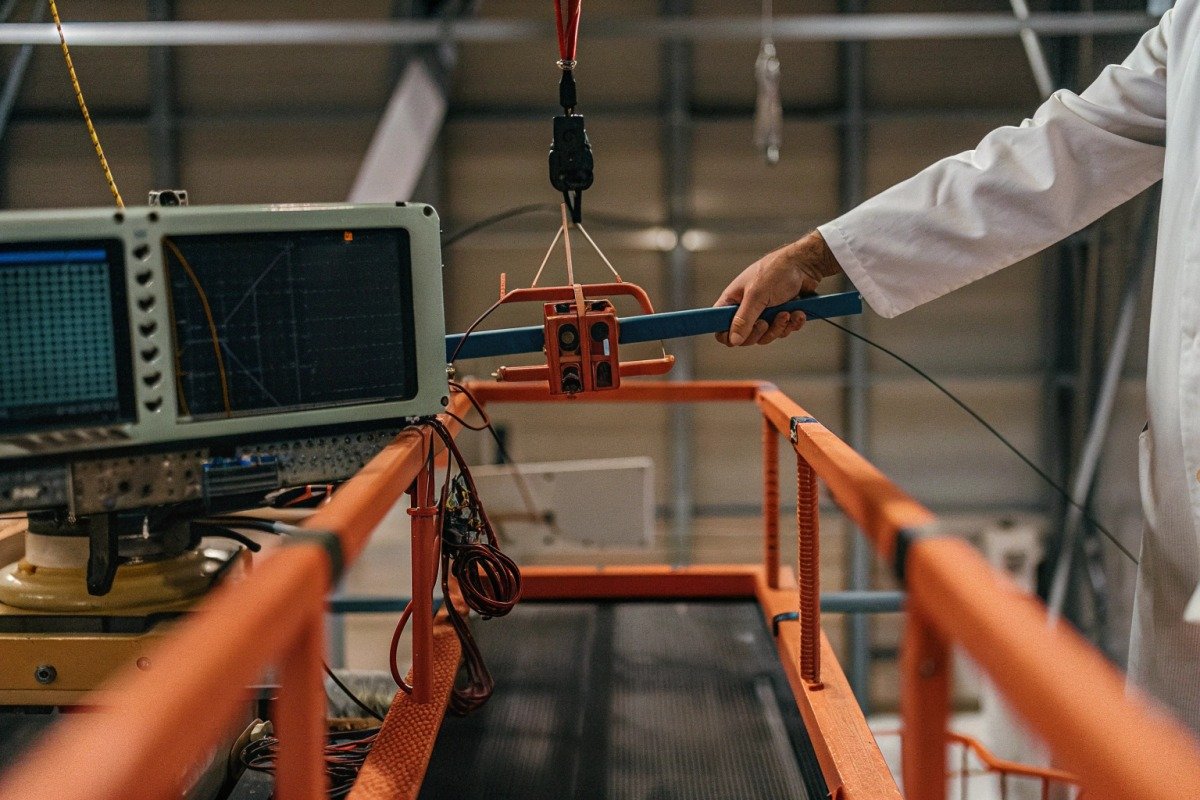
Las normas mejoradas de contención de EASA requieren características técnicas específicas. Estas características deben diseñarse en el dron desde el desarrollo inicial. Las soluciones de reacondicionamiento rara vez cumplen los requisitos de certificación.
Nuestro equipo de diseño construye sistemas de seguridad como consideraciones primarias. El sistema de terminación de vuelo recibe su propio procesador dedicado. Las fuentes de alimentación están aisladas. Los mecanismos de activación tienen múltiples vías de activación.
Componentes Críticos de Ingeniería
| Característica de seguridad | Requisito de Ingeniería | Método de verificación |
|---|---|---|
| Independencia del FTS | Separado del piloto automático y la navegación | Revisión de la arquitectura |
| Precisión de Posición | Retroalimentación continua de GPS/GNSS | Datos de prueba de vuelo |
| Geovalla | Límites de vuelo programables | Demostración de software |
| Respuesta a la pérdida de enlace | Retorno automático o terminación | Pruebas de simulación |
| Monitoreo de Batería | Advertencias predictivas de bajo consumo | Pruebas de resistencia |
Zonas de Contención y Amortiguación
La contención mejorada requiere que el dron permanezca dentro de los volúmenes operativos declarados. Si el dron corre el riesgo de abandonar estos volúmenes, el sistema debe tomar medidas correctivas. La medida de contención final es la terminación del vuelo.
Las zonas de amortiguación alrededor del volumen operativo tienen en cuenta:
- Incertidumbre de la posición GPS
- Retrasos en el tiempo de respuesta
- Deriva del viento durante la terminación
- Patrones de despliegue del paracaídas
Los proveedores deben proporcionar cálculos de la zona de amortiguación específicos para sus modelos de drones. Estos cálculos dependen del tamaño, peso, velocidad del dron y el rendimiento del sistema de terminación.
Estándares de Redundancia de Sensores
Los entornos de extinción de incendios desafían los sistemas de sensores. El humo reduce la visibilidad. El calor afecta la electrónica. La interferencia electromagnética de los vehículos de emergencia interrumpe las comunicaciones.
Pregunte a los proveedores sobre su enfoque de redundancia:
- ¿Cuántos receptores GPS utiliza el sistema?
- ¿Qué sucede si fallan los sensores primarios?
- ¿Se verifican los parámetros críticos de vuelo entre sistemas?
- ¿Qué pruebas ambientales ha realizado el dron?
Nuestra línea de producción incluye pruebas de estrés ambiental. Exponemos los drones a temperaturas extremas, vibraciones e interferencias electromagnéticas. Estas pruebas validan las afirmaciones de fiabilidad.
Características de Seguridad del Software
El software de geo-conciencia debe integrar datos oficiales del espacio aéreo. EASA especifica el formato ED-269 para zonas geográficas. El sistema de su proveedor debe importar estos archivos y aplicar restricciones automáticamente.
Las características clave del software incluyen:
- Verificación de límites del espacio aéreo en tiempo real
- Limitación automática de altitud
- Protocolos de desbloqueo de emergencia para misiones autorizadas
- Registros de auditoría para todas las modificaciones de geovallas
El protocolo de desbloqueo es importante para la lucha contra incendios. Los equipos de respuesta a emergencias necesitan acceso controlado a zonas restringidas. El sistema debe registrar todos los eventos de desbloqueo para la rendición de cuentas regulatoria.
¿Qué evidencia de cumplimiento previo de la UE debo buscar al evaluar a un socio de drones contra incendios?
Nuestro departamento de exportación ha trabajado con socios europeos durante más de ocho años. En ese tiempo, hemos visto a muchos gerentes de adquisiciones aceptar afirmaciones de cumplimiento vagas. La evidencia de cumplimiento real es específica, verificable y documentada.
Busque estos indicadores de cumplimiento: cartas de autorización de la NAA que hagan referencia a modelos específicos de drones, testimonios de clientes de servicios de emergencia de la UE, acreditaciones de formación de pilotos válidas, horas de operación documentadas en el espacio aéreo europeo y certificación actual de Identificación Remota con fecha posterior a enero de 2024.
Tipos de Evidencia de Cumplimiento
La evidencia de cumplimiento se divide en categorías. La evidencia directa proviene de los reguladores. La evidencia indirecta proviene de los clientes y las operaciones. Ambos tipos son importantes para una evaluación exhaustiva.
| Tipo de evidencia | Fuente | Peso |
|---|---|---|
| Cartas de Autorización de la NAA | Autoridad Nacional de Aviación | Más alto |
| Cartas de Referencia de Clientes | Servicios de emergencia de la UE | Alto |
| Certificados de formación de pilotos | Organizaciones de formación acreditadas | Medio-alto |
| Registros de horas de vuelo | Registros del operador | Medio |
| Certificados de examen de tipo | Organismos notificados | Más alto |
Verificación de reclamaciones de autorización
Los proveedores pueden reclamar autorizaciones que en realidad no poseen. Verifique las reclamaciones directamente cuando sea posible. Los registros de las NAA suelen ser de búsqueda pública.
Pasos para verificar:
- Solicite el número de autorización específico
- Pregunte qué NAA emitió la autorización
- Verifique si la autorización cubre el modelo de dron que desea comprar
- Confirme que la autorización no ha caducado
- Póngase en contacto con la NAA si la información parece poco clara
Nuestra empresa mantiene autorizaciones actuales y proporciona documentación de forma proactiva. Entendemos que los gerentes de adquisiciones necesitan pruebas verificadas, no promesas de ventas.
Calidad de referencia del cliente
Las referencias sólidas provienen de organizaciones similares a sus usuarios finales. Para drones de extinción de incendios, busque referencias de:
- Departamentos de bomberos municipales
- Agencias nacionales de gestión de emergencias
- Proveedores de servicios de extinción de incendios de terceros
- Organizaciones de gestión forestal y de incendios forestales
Haga preguntas específicas a los clientes de referencia:
- ¿Cómo apoyó el proveedor su proceso de autorización?
- ¿Qué desafíos surgieron durante la implementación?
- ¿Qué tan receptivo es el soporte técnico?
- ¿Les compraría de nuevo?
Acreditación del Programa de Capacitación
Los pilotos remotos para operaciones de Categoría Específica necesitan certificados de competencia válidos. Estos certificados deben provenir de programas que cumplan con los estándares de EASA. Los proveedores que ofrecen capacitación deben demostrar acreditación.
La evidencia de capacitación válida incluye:
- Aprobación de la organización de capacitación por parte de una NAA
- Plan de estudios alineado con los requisitos de competencia de EASA
- Procedimientos de examen que cumplan con los estándares de la UE
- Validez del certificado en todos los estados miembros de la UE
Nuestras asociaciones de capacitación cubren tanto el conocimiento teórico como las habilidades prácticas. Coordinamos con organizaciones acreditadas para garantizar que nuestros clientes tengan pilotos calificados.
Compromiso de cumplimiento a largo plazo
Las regulaciones de EASA evolucionan. Los requisitos de U-space se están expandiendo. Surgen nuevos estándares de certificación. Su proveedor debe demostrar un compromiso con el cumplimiento continuo.
Pregunte por:
- Cómo monitorean los cambios regulatorios
- Su proceso para implementar actualizaciones
- Políticas y plazos de actualización de software
- Comunicación al cliente sobre cambios de cumplimiento
Un proveedor centrado únicamente en los requisitos actuales puede dejarlo en la estacada cuando cambien las regulaciones. Nuestra hoja de ruta de desarrollo de productos incluye hitos de cumplimiento normativo para los próximos tres años.
Conclusión
La evaluación del conocimiento de la Categoría Específica de EASA requiere examinar la documentación, la capacidad SORA, los estándares de ingeniería y el historial de cumplimiento. La evidencia que recopile durante la adquisición impacta directamente en su cronograma de autorización y éxito operativo.
Notas al pie
1. Página oficial de EASA que detalla la metodología SORA y sus componentes. ↩︎
2. Página oficial de EASA que explica las etiquetas de identificación de clase C de drones (C0-C6). ↩︎
3. Página oficial de EASA que explica la Categoría Específica para drones. ↩︎
4. Anuncio oficial de EASA sobre Remote ID obligatorio para drones en Europa desde enero de 2024. ↩︎
5. Documento de Medios de Cumplimiento de EASA que detalla los requisitos para los sistemas de terminación de vuelo en UAS ligeros. ↩︎
6. Página oficial de EASA que explica la clase de riesgo intrínseco en tierra (iGRC) en la metodología SORA. ↩︎
7. Página oficial de EASA que define la determinación del riesgo aéreo como parte de la metodología SORA. ↩︎
8. Página oficial de EASA que enumera las Autoridades Nacionales de Aviación y sus responsabilidades relacionadas con los drones. ↩︎
 English
  Español de México
  Deutsch
  Français
  Русский
  العربية
Comments
No comments yet. Be the first to share your thoughts!
Leave a Comment