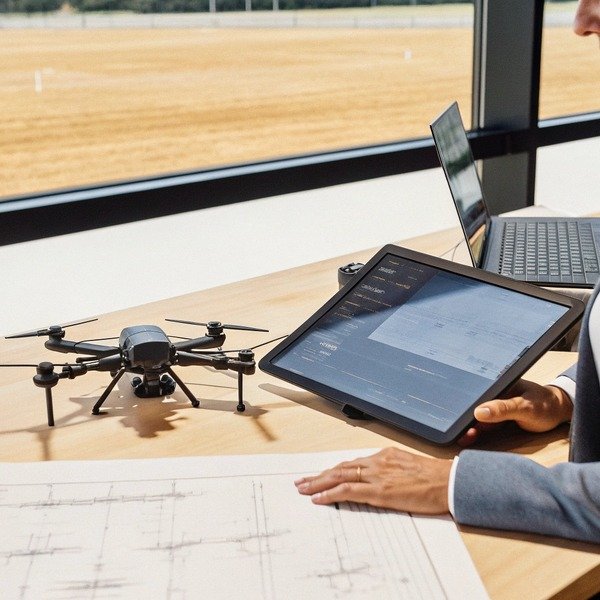
Vemos demasiadas licitaciones de adquisición fallar porque las especificaciones de un folleto rara vez coinciden con la realidad en la cubierta de vuelo. En nuestras instalaciones de Xi'an, recordamos constantemente a los clientes que la seguridad depende de verificar los datos, no solo de leerlos.
Para verificar las especificaciones técnicas, solicite registros de datos brutos de los tiempos de vuelo con carga en lugar de vuelo estacionario sin carga, exija certificados de protección de ingreso ISO de terceros y realice pruebas de transmisión de video en vivo en entornos de alta interferencia. Siempre cruce la capacidad de carga útil con los límites máximos de peso al despegue para garantizar que el dron mantenga la estabilidad durante la supresión activa de incendios.
Examinemos las métricas críticas que debe auditar antes de firmar cualquier orden de compra.
¿Cómo puedo verificar el tiempo de vuelo real y las afirmaciones de capacidad de carga útil para operaciones de alta resistencia?
Nuestras instalaciones de pruebas de vuelo realizan comprobaciones de resistencia diarias, pero aún vemos competidores que prometen demasiado en cuanto a la duración de la batería bajo carga. Es frustrante ver a los usuarios arriesgar equipos porque confiaron en un número de “tiempo máximo de vuelo” probado en un laboratorio sin viento.
Verifique las afirmaciones solicitando un registro de vuelo que muestre la curva de voltaje durante una misión con carga útil completa, no solo vuelo estacionario. La resistencia real suele ser un 30% inferior al “tiempo máximo de vuelo” anunciado. Asegúrese de que el dron pueda levantar su carga útil específica de supresión de incendios manteniendo un margen de seguridad de batería del 20% para el regreso.
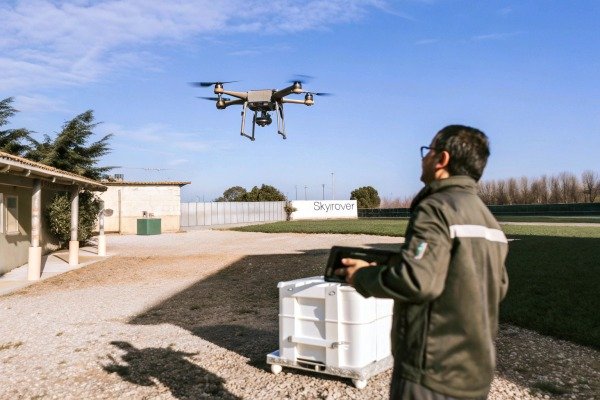
Al evaluar un dron de carga pesada, se observan dos números contradictorios: tiempo de vuelo y peso de la carga útil. Los fabricantes a menudo enumeran los máximos para ambos, pero nunca se pueden lograr ambos simultáneamente. Un dron que transporta una carga útil de supresión de 100 kg no volará durante los 60 minutos anunciados. carga útil de supresión 1 Es posible que solo vuele durante 20 minutos.
La trampa de "vacío vs. cargado"
Debe distinguir entre "tiempo de vuelo estacionario" y "tiempo de vuelo operativo". El vuelo estacionario consume menos energía que la maniobra. Cuando probamos nuestros hexacópteros, vemos picos masivos en el consumo de corriente cuando el dron lucha contra el viento o acelera.
Si una hoja de especificaciones dice "50 minutos de tiempo de vuelo", pregunte por el peso específico de la carga útil utilizada durante esa prueba. Si la respuesta es "carga útil cero", esos datos son inútiles para su misión. Necesita el tiempo de vuelo "cargado".
Calculando el Margen de Seguridad
Las baterías se comportan de manera diferente bajo cargas pesadas. La caída de voltaje ocurre más rápido. Caída de voltaje 2 Si llevas una batería al 0% mientras transportas mangueras de incendios pesadas, el voltaje podría caer por debajo de los niveles críticos instantáneamente, causando un fallo. Necesitas calcular tu ventana operativa basándote en aterrizar con un 20% de batería restante.
Utiliza la tabla a continuación para comprender cómo la carga útil impacta el rendimiento en el mundo real. Estos datos reflejan plataformas de elevación pesada típicas actualmente en el mercado.
| Escenario de Carga | Tiempo de Vuelo Anunciado (Sin Carga) | Tiempo de Vuelo Real (Carga Máxima) | Ventana Operativa Segura (Aterrizar al 20%) |
|---|---|---|---|
| Solo Vigilancia (Cámaras) | 55 – 60 minutos | 45 – 50 minutos | 35 – 40 minutos |
| Carga Ligera (Bolas Extintoras) | 55 – 60 minutos | 30 – 35 minutos | 20 – 25 minutos |
| Carga Pesada (Manguera/Tanque de Líquido) | 55 – 60 minutos | 18 – 22 minutos | 12 – 15 minutos |
Validación de la Eficiencia del Motor
Verifique el Peso Máximo de Despegue (MTOW) en comparación con la relación empuje-peso. Peso Máximo de Despegue 3 Un dron industrial seguro necesita una relación de al menos 2:1. Si el dron pesa 50 kg completamente cargado, los motores deben ser capaces de levantar 100 kg en total. Esta potencia adicional permite al piloto automático estabilizar la aeronave con vientos fuertes. Si la hoja de especificaciones no indica el empuje del motor, pregunte a su proveedor de inmediato.
¿Qué índices IP y métricas de resistencia al calor específicos debo buscar para garantizar la durabilidad en calor extremo?
Horneamos nuestros fuselajes en hornos industriales para simular las condiciones de un incendio porque las piezas de plástico estándar se derriten cerca de las zonas de supresión activa. He visto drones más baratos regresar de un incendio con brazos deformados y fallos en los sensores debido a la entrada de calor.
Busque una calificación mínima de IP55 para protección contra el agua contra rociado de manguera y partículas de humo conductoras. Para la resistencia al calor, confirme que el fuselaje utiliza compuestos de fibra de carbono capaces de soportar 100 °C de calor ambiental, y verifique que la electrónica interna tenga sistemas de enfriamiento activo para operaciones cerca de intensas columnas de convección.

La lucha contra incendios es un entorno sucio, húmedo y caluroso. Un dron de consumo estándar no está diseñado para esto. La clasificación de "Protección de Entrada" (IP) le indica qué tan bien el dron mantiene alejados los sólidos y líquidos. Protección de Entrada 4
Decodificación de la Clasificación IP
El primer dígito se refiere a los sólidos (polvo/humo) y el segundo a los líquidos (agua).
- IP43: Protegido contra herramientas y rociado de agua a menos de 60 grados de la vertical. Esto no es suficiente. La lluvia o el rociado de manguera a menudo vienen de lado o desde abajo debido a la turbulencia del viento.
- IP55 o IP56: Protegido contra polvo y chorros de agua a alta presión desde cualquier dirección. Este es el estándar que debe exigir.
Las partículas de humo conductoras son un asesino oculto. Si el humo entra en el controlador de vuelo, puede provocar un cortocircuito en la electrónica. Un primer dígito alto (5 o 6) es crucial.
Verificación de resistencia al calor
Las especificaciones del rango de temperatura a menudo indican "-20 °C a 50 °C". Esto se refiere a la temperatura ambiente del aire. Sin embargo, el aire sobre un incendio es mucho más caliente. Debe verificar el material del cuerpo del dron.
Las carcasas de plástico se deforman a temperaturas relativamente bajas. Utilizamos estrictamente fibra de carbono de alta calidad y aluminio de aviación. fibra de carbono de alta calidad 5 Estos materiales mantienen la integridad estructural incluso cuando el aire alrededor del dron supera brevemente los 80 °C.
Sistemas de refrigeración internos
El calor externo es un problema; el calor interno es otro. Los procesadores de alto rendimiento y los sistemas de gestión de baterías generan su propio calor. Si el dron está sellado herméticamente para impermeabilizarlo (clasificación IP), ese calor queda atrapado.
Pregunte al proveedor: "¿Cómo se enfría el controlador de vuelo?" Los sistemas fiables utilizan ventiladores internos y disipadores de calor que transfieren el calor al marco de aluminio, actuando como un gran radiador. Sin esto, el dron puede activar un modo de seguridad de "apagado térmico" a mitad del vuelo. apagado térmico 6
| Componente | Material estándar | Material ignífugo | Por qué es importante |
|---|---|---|---|
| Brazos del marco | Plástico / Híbrido | 3K Fibra de Carbono | Rigidez con viento fuerte; resiste la fusión. |
| Juntas/Soportes | ABS Plastic | Aluminio 7075 | Las juntas de plástico fallan bajo estrés por calor. |
| Toldo | Policarbonato Delgado | Compuesto de Alta Temperatura | Protege la batería interna del calor radiante. |
¿Cómo valido la resolución y precisión de las cámaras de imagen térmica incluidas en el paquete?
Integrar sensores es complicado; a menudo rechazamos módulos térmicos que parecen buenos sobre el papel pero no detectan puntos calientes a través de humo denso. Simplemente tener una “cámara térmica” no es suficiente si el bombero no puede interpretar la mancha gris borrosa en la pantalla.
Valide el rendimiento térmico solicitando archivos JPEG radiométricos sin procesar para verificar los datos de temperatura a nivel de píxel. Asegúrese de que la resolución del sensor sea de al menos 640 × 512 con una alta frecuencia de actualización (30 Hz o más), y verifique que la distancia focal de la lente permita distancias de seguridad seguras y, al mismo tiempo, detecte las firmas de calor con precisión.

En la lucha contra incendios, una cámara térmica realiza dos trabajos: encuentra la fuente del incendio a través del humo y encuentra personas desaparecidas. Los sensores de baja calidad fallan en ambos.
La Resolución es Innegociable
Muchos drones de nivel de entrada utilizan sensores de 320 × 240 o incluso 160 × 120. Estos son inútiles desde una altitud de 50 metros. Necesita 640 × 512 resolución. Esto ofrece cuatro veces la cantidad de píxeles de un sensor de 320 × 240.
¿Por qué importa esto? A 50 metros de altura, un cuerpo humano podría ocupar solo 4 píxeles en una cámara de baja resolución. Te lo perderás. En una cámara de 640 × 512, esa misma persona ocupa suficientes píxeles para ser reconocible como una forma humana.
Datos radiométricos
"Radiométrico" significa que cada píxel de la imagen contiene datos de temperatura. Un video térmico estándar solo muestra colores cálidos y fríos. Una imagen radiométrica te permite tocar una sección específica del techo y ver "350°C". imagen radiométrica 7
Debe verificar esto solicitando al proveedor un archivo de muestra. Ábralo en su software de análisis. Si no puede ver valores de temperatura específicos para puntos específicos, no es un sensor radiométrico. Estos datos son críticos para que el Comandante de Incidentes juzgue la integridad estructural. Comandante de Incidentes 8
Velocidad de fotogramas (Hz)
Los núcleos térmicos más baratos están restringidos a la exportación a 9 Hz (9 fotogramas por segundo). Esto parece una presentación de diapositivas. Desorienta a un piloto que intenta volar rápido. Debe confirmar que la cámara opera a 30Hz o superior. Esto proporciona un movimiento suave, lo que permite al piloto detectar firmas de calor en movimiento al instante.
Verifique las opciones de lente
Una lente gran angular cubre más área pero reduce el detalle. Una lente teleobjetivo proporciona detalle pero restringe la vista.
- lente de 13 mm: Bueno para búsqueda general.
- lente de 25 mm: Mejor para inspeccionar edificios altos desde una distancia segura.
- Asegúrese de que el proveedor ofrezca la lente que se adapte a su terreno operativo.
¿Qué detalles debo confirmar sobre el rango de transmisión de señal y las capacidades antiinterferencia?
Enviar un dron detrás de un edificio de gran altura de hormigón interrumpe las señales, por eso sometemos a prueba nuestros sistemas de doble enlace en entornos urbanos densos. Un dron que pierde la conexión mientras transporta una bomba de supresión de incendios es un riesgo masivo.
Confirme que el sistema utiliza salto de frecuencia de doble banda (2.4GHz/5.8GHz) para evitar la interferencia urbana. Exija una prueba de campo que demuestre una latencia de transmisión de video estable de 1080p inferior a 200 ms a la distancia operativa máxima, específicamente en escenarios de línea de visión no directa (NLOS) comunes en la lucha contra incendios en edificios de gran altura.

Las especificaciones a menudo afirman "rango de transmisión de 15 km". Esto generalmente se prueba en un campo abierto sin interferencias. En una ciudad, con enrutadores Wi-Fi, vigas de acero y tráfico de radio de emergencia, ese rango puede reducirse a 2 km o menos.
La Necesidad del Salto de Doble Banda
Los entornos de radio están abarrotados. 2.4GHz ofrece un mayor alcance pero tiene alta interferencia. 5.8GHz ofrece datos más rápidos pero tiene un alcance más corto.
Su sistema debe cambiar automáticamente entre estas bandas. Si un canal se bloquea por un enrutador Wi-Fi cercano, el dron debe saltar a un canal limpio al instante. Pregunte al proveedor: "¿El enlace admite el salto de frecuencia dinámico?" salto de frecuencia dinámico 9
La Latencia Mata Misiones
La latencia es el retraso entre lo que sucede y lo que ves. Si la latencia es de 500 milisegundos (medio segundo), te estrellarás. Para cuando veas el obstáculo, ya lo habrás chocado.
- Latencia Aceptable: < 200 ms.
- Latencia Ideal: < 120 ms.
Pruébelo usted mismo. Mueva la mano frente a la cámara y observe la pantalla. Si hay un retraso notable, el sistema no es seguro para la lucha contra incendios en espacios reducidos.
Cifrado para la Seguridad
Los departamentos de bomberos son entidades gubernamentales. Su flujo de datos no puede estar abierto al público. Verifique el estándar de cifrado. estándar de cifrado 10
- AES-128: Estándar mínimo.
- AES-256: Estándar preferido.
Esto asegura que los espectadores no puedan interceptar la transmisión de video y transmitir imágenes sensibles de una tragedia.
Expectativas de alcance en el mundo real
No confíe únicamente en la calificación de alcance "FCC" o "CE". Solicite un informe de prueba de "Cañón Urbano".
| Entorno | Alcance anunciado (típico) | Alcance operativo realista | Principales fuentes de interferencia |
|---|---|---|---|
| Rural abierto | 10 km – 15 km | 8 km – 10 km | Árboles, Colinas |
| Suburbano | 10 km – 15 km | 5km – 7km | Wi-Fi doméstico, Líneas eléctricas |
| Urbano denso | 10 km – 15 km | 1.5km – 3km | Edificios de acero, densidad masiva de Wi-Fi |
Conclusión
La compra de un dron de extinción de incendios es una inversión en seguridad pública, no solo una transacción de hardware. Al mirar más allá del folleto brillante y exigir datos brutos —sobre tiempos de vuelo con carga, resolución térmica real y estabilidad de transmisión— protege el presupuesto de su departamento y, lo que es más importante, las vidas que dependen de esta tecnología. Siempre verifique, pruebe en el campo y asegúrese de que su proveedor pueda respaldar cada afirmación con pruebas de ingeniería.
Notas al pie
1. El estándar NFPA 2400 cubre el uso de UAS en operaciones de servicios de bomberos. ↩︎
2. Explicación técnica de las curvas de descarga de la batería y el comportamiento del voltaje bajo carga. ↩︎
3. Orientación oficial de la FAA relevante para las regulaciones de peso de drones y operaciones comerciales. ↩︎
4. Página oficial de la Comisión Electrotécnica Internacional que define los estándares de clasificación IP. ↩︎
5. Resumen científico de las propiedades de la fibra de carbono, incluida la resistencia térmica. ↩︎
6. Información general sobre mecanismos de seguridad térmica en electrónica. ↩︎
7. El principal fabricante de imágenes térmicas explica la tecnología de datos radiométricos. ↩︎
8. Recurso de capacitación de FEMA que define la estructura del Sistema de Comando de Incidentes. ↩︎
9. Documentación del principal fabricante de drones que explica la tecnología antiinterferencia de transmisión. ↩︎
10. Publicación del NIST que establece el Estándar de Cifrado Avanzado (AES). ↩︎
 English
  Español de México
  Deutsch
  Français
  Русский
  العربية
Comments
No comments yet. Be the first to share your thoughts!
Leave a Comment