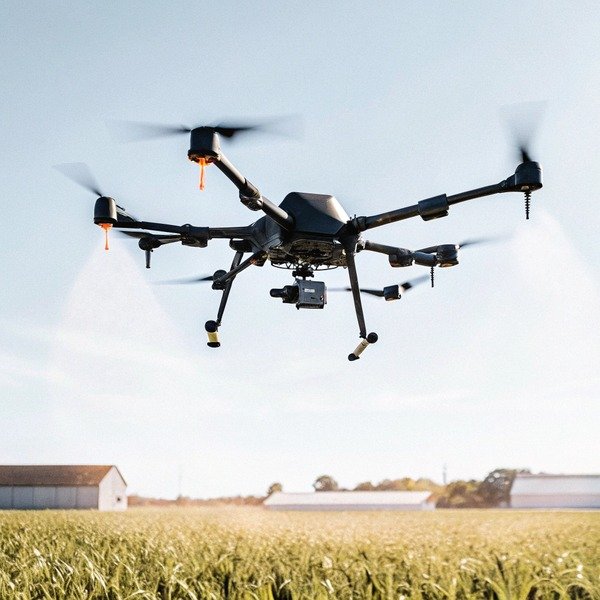
When we adjust our flight controllers in Xi’an, we know US farmers face unique challenges. Generic imports often fail to meet local needs, causing frustration and operational downtime.
To determine supplier cooperation, assess their willingness to customize software interfaces for imperial units, integrate US-compliant hardware for FAA regulations, and provide a transparent roadmap for replacing restricted components to meet evolving market standards.
Finding a partner who adapts to your market is crucial, so let’s examine the specific indicators of a responsive manufacturer.
Does the manufacturer offer software development support to adapt the user interface for American farmers?
Our software engineers frequently rewrite code to match American workflow habits and units. A rigid interface frustrates operators, increases training time, and ultimately hurts your brand’s resale value.
A cooperative supplier will provide an Open API or SDK for local integration, offer a clear timeline for imperial unit conversion, and demonstrate compatibility with major US ag-tech platforms like Climate FieldView.
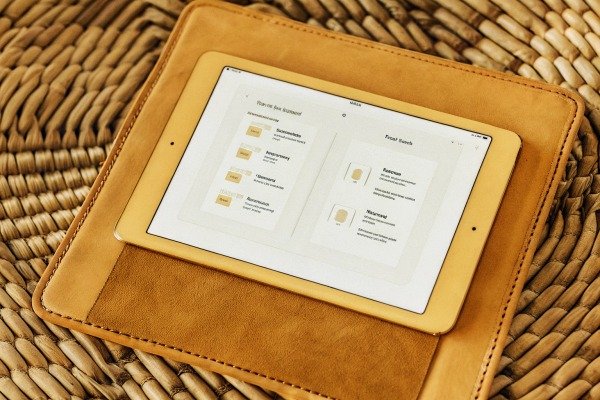
The Importance of Software Localization
Agricultural drones are data-gathering tools, not just flying machines. If the software logic is hard-coded for Asian small-holder farms, it will fail on massive American acreages. You need to verify if the supplier treats software as a finished static product or a living ecosystem.
When we collaborate with US clients, the first hurdle is often unit conversion. It is not enough to simply change the label from "liters" to "gallons." The underlying logic for flow rates, battery consumption curves, and area planning must be recalibrated for Imperial units. Imperial units 1 A supplier willing to do this shows deep commitment.
Key Software Features to Audit
Sie sollten spezifische technische Fragen zu ihrer Entwicklungsumgebung stellen. Sind sie bereit, ihr SDK (Software Development Kit) zu öffnen? Ein offenes SDK ermöglicht es Ihnen, Ihre eigene proprietäre App auf ihrem Flugsteuerungssystem aufzubauen. Dies ist ein enormer Wettbewerbsvorteil. Es verhindert, dass Sie an eine generische App gebunden sind, die identisch mit der Ihres Konkurrenten aussieht.
Berücksichtigen Sie außerdem die Datenhoheit. US-amerikanische Landwirte schützen ihre Ertragsdaten zunehmend. Sie müssen fragen, ob der Lieferant die Drohne so konfigurieren kann, dass Daten an US-basierte Server (wie AWS US East) gesendet werden AWS US East 2 anstatt an Standardserver in Asien.
Integration mit US Ag-Tech
Die amerikanische Landwirtschaft läuft auf vernetzten Plattformen. Eine Drohne, die isoliert arbeitet, ist weniger wertvoll. Fragen Sie den Lieferanten, ob er Erfahrung mit dem Parsen von Datenformaten hat, die mit dem John Deere Operations Center kompatibel sind John Deere Betriebszentrum 3 oder Trimble John Deere Betriebszentrum 4. Wenn sie verwirrt aussehen, haben sie ihr Produkt nicht lokalisiert. Wenn sie sagen: "Wir können dafür ein Skript schreiben", sind sie ein Partner, den es wert ist, zu behalten.
Bewertung der Softwareflexibilität
Verwenden Sie diese Tabelle, um potenzielle Lieferanten während Ihrer ersten Gespräche zu bewerten.
| Funktionskategorie | Basislieferant (vermeiden) | Kooperativer Partner (bevorzugt) |
|---|---|---|
| Einheitensystem | Nur Metrik (erzwungene Konvertierung) | Native Unterstützung für imperiale Einheiten in Benutzeroberfläche/Logik |
| Datenhosting | Feste ausländische Server | Option für lokales US-Server-Hosting |
| API/SDK Access | Closed/Proprietary | Open SDK for custom app development |
| Map Source | Generic (e.g., Baidu/AMap) | Google Maps/Mapbox integration |
| Aktualisierungen | Infrequent, generic bugs only | Frequent, responsive to US regulations |
Will the supplier agree to modify hardware components to ensure compliance with US aviation regulations?
While assembling frames in our factory, we often swap specific modules for our American partners. Ignoring FAA rules risks grounding your entire fleet indefinitely and invites legal penalties.
Suppliers committed to US compliance will proactively integrate FAA-approved Remote ID modules, offer component swapping for NDAA alignment, and provide documented proof of FCC certification for all radio transmission parts.

Navigating the Regulatory Hardware Landscape
Hardware compliance is the biggest barrier to entry in the US market. Standard off-the-shelf drones from China often lack the specific modules required by the FAA. A supplier who says "it should work" is a liability. You need a supplier who says, "We have tested this specific module for Part 89 compliance Part 89 compliance 5."
Remote ID is non-negotiable. The drone must broadcast its location and ID. Entfernte ID 6 Many generic flight controllers do not have this built-in. A cooperative supplier will agree to integrate a US-approved Remote ID module directly into the CAN bus system CAN-Bussystem 7, anstatt Sie zu zwingen, ein Drittanbieter-Modul auf die Drohne zu kleben.
Der NDAA-Faktor
Der National Defense Authorization Act (NDAA) schränkt Bundesbehörden beim Kauf von Drohnen ein National Defense Authorization Act 8 mit kritischen Komponenten aus bestimmten Ländern. Selbst für den privaten kommerziellen Gebrauch bevorzugen viele große US-Bauernhöfe NDAA-konforme Technologie, um ihre Investitionen zukunftssicher zu machen.
Sie müssen feststellen, ob der Lieferant bereit ist, seine Lieferkette für Sie zu "bereinigen". Das bedeutet zu prüfen, ob er bereit ist, während der Montage ein Videoübertragungsmodul oder einen Flugcontroller durch eine Komponente aus einem nicht eingeschränkten Land (wie den USA oder Taiwan) zu ersetzen. Wir führen diese "Hybridmontage" oft für High-Level-Kunden durch. Es kostet mehr, aber es sichert den Marktzugang.
Funkfrequenz und FCC-Vorschriften
In China gelten andere Grenzwerte für die Sendeleistung. Die Verwendung eines chinesischen Standardradios in den USA kann aufgrund von Interferenzen oder fehlender FCC-Zertifizierung illegal sein. Ein auf Lokalisierung spezialisierter Lieferant stellt FCC-IDs für seine Fernbedienungen und Telemetrieverbindungen bereit. Wenn sie Sie auffordern, "es einfach zu fliegen", meinen sie es nicht ernst mit dem US-Markt.
Hardware-Compliance-Checkliste
Bevor Sie eine Bestellung aufgeben, gehen Sie diese Hardwareanforderungen durch.
| Compliance-Bereich | Anforderung | Vom Lieferanten benötigte Aktion |
|---|---|---|
| FAA Remote ID | Broadcast-ID/Standort | Konforme Module integrieren (z. B. spezifische Chipsätze) |
| FCC-Zertifizierung | Funkfrequenzgrenzwerte | Gültige FCC-ID für Controller & Air Unit bereitstellen |
| Kollisionsschutz | Night flight lighting | Install FAA-compliant anti-collision strobe lights |
| NDAA (Optional) | Secure supply chain | Swap restricted comms/flight control modules |
How can I evaluate the R&D team's capability to implement custom spray systems or payload changes?
We love it when clients challenge our engineering team with unique crop requirements. Standard sprayers often drift or miss targets in complex field environments, reducing efficacy.
Evaluate R&D capability by requesting a specific, minor payload modification test; a capable supplier will produce a prototype or CAD adjustment quickly, demonstrating engineering agility rather than simple resale rigidity.
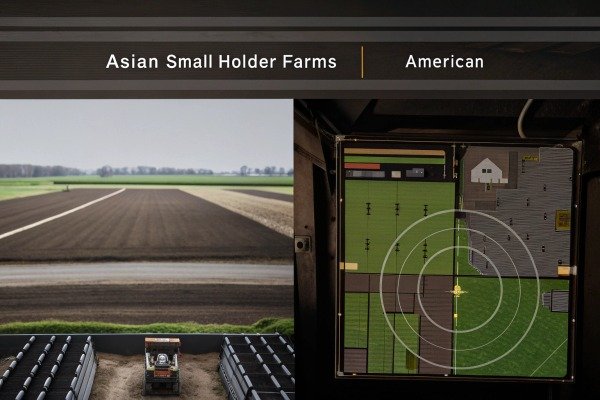
Testing Engineering Agility
Many "manufacturers" are actually just assemblers of standard kits. They cannot change the design because they do not own the molds or the code. To test a supplier, ask for a modification. For example, ask if they can change the nozzle layout to accommodate a specific boom width used in US row crops.
If they reply with "MOQ is 1000 units for that change," they are a rigid factory. If they reply with "Let us check with our engineer" and return with a CAD drawing or a 3D printed prototype within a week, you have found a true R&D partner. This agility is vital because US agriculture is diverse. You might need granular spreaders for cover crops one month and ultra-low volume sprayers for orchards the next.
Customizing for US Inputs
US farmers use different chemical formulations than farmers in Asia. Some US herbicides are thicker or more corrosive. Standard pumps might fail. A supplier willing to cooperate on localization will agree to test your specific chemical compatibility with their seals and pumps.
We often ship samples of US-standard nozzles (like TeeJet) to our factory nozzles (like TeeJet) 9 to ensure our threading fits perfectly. If a supplier refuses to use standard US fittings (NPT threads vs. metric), your customers will struggle to find replacement parts at their local hardware store. This small detail is a huge indicator of localization mindset.
Payload Modularity
The ability to swap payloads is a key selling point. Can the drone switch from a spray tank to a granular spreader in under five minutes? Can it carry a multispectral camera for crop scouting?
Ask for a demonstration of the payload release mechanism. A good R&D team designs for modularity. They should be able to provide you with the pin-out data for the payload port, allowing you to develop your own custom payloads in the future.
R&D Competency Signs
Look for these specific responses during your technical interviews.
- Positive Sign: "We can adjust the pump pressure curves in the firmware to match that viscosity."
- Positive Sign: "Send us the dimensions of the sensor you want to mount, and we will design a bracket."
- Negative Sign: "This is the standard model. We cannot change it."
- Negative Sign: "You can try to modify it yourself, but it voids the warranty."
What specific signs during negotiation indicate a supplier is truly open to joint development and OEM branding?
During late-night calls with US buyers, we prioritize long-term engineering roadmaps over quick sales. Transactional vendors vanish when you need technical evolution or support.
True partners agree to OEM branding with custom manuals, assign dedicated engineers for technical troubleshooting, and transparently discuss supply chain modifications to mitigate distinct geopolitical risks during the contract phase.

Moving Beyond the Logo
OEM (Original Equipment Manufacturer) services often stop at printing your logo on the shell. This is superficial. True localization involves "white-labeling" the entire user experience.
During negotiation, ask if they will provide the source files for the user manual. You need to rewrite the manual in native English, not "Chinglish," and add US-specific safety warnings. A supplier who shares editable InDesign or Word files is transparent. A supplier who sends a locked PDF is protective and uncooperative.
Direkter Zugang zum Ingenieurwesen
Eines der stärksten Zeichen einer Partnerschaft ist der Zugang zum technischen Team. In einer Standard-Verkaufsbeziehung sprechen Sie nur mit einem Verkäufer. In einer gemeinsamen Entwicklungspartnerschaft erstellen wir einen Gruppenchat, an dem Ihr Produktmanager und unser leitender Ingenieur beteiligt sind.
Wenn der Lieferant zögert, Sie mit seinen Ingenieuren sprechen zu lassen, seien Sie vorsichtig. Dies deutet darauf hin, dass sie entweder die Technologie auslagern oder Ihnen nicht vertrauen. Direkte Kommunikation ist unerlässlich für die Fehlerbehebung bei Fehlern, die nur in der US-Umgebung auftreten.
Die Lokalisierungs-Roadmap
Bitten Sie den Lieferanten um seine "Lokalisierungs-Roadmap". Dieses Dokument sollte seine Pläne für den US-Markt in den nächsten 12 bis 24 Monaten darlegen.
- Planen sie die Eröffnung eines US-Servicecenters?
- Lagern sie Ersatzteile in einem Lager in Los Angeles?
- Beantragen sie US-Patente? US-Patente 10
Ein Lieferant mit einer Roadmap investiert in Ihren Erfolg. Ein Lieferant ohne eine solche exportiert lediglich überschüssige Lagerbestände.
Bewertung des Partnerschaftspotenzials
Verwenden Sie diese Matrix, um zu beurteilen, ob der Lieferant für ein strategisches Bündnis bereit ist.
| Kriterien für die Bewertung | Transaktionaler Anbieter | Strategischer OEM-Partner |
|---|---|---|
| Branding | Nur Aufkleber-Logo | Vollständig kundenspezifische Farbe, Handbuch und Startbildschirm |
| Kommunikation | Nur Vertriebsmitarbeiter | Direkte Leitung zu Ingenieurteams |
| Ersatzteile | Bestellung nach Bedarf (lange Wartezeit) | Hilft bei der Einrichtung lokaler US-Teilebestände |
| Exklusivität | Verkauft an jeden | Offen für Diskussionen über Gebietschutz |
| Problem Solving | Gibt dem Benutzer die Schuld | Kollaborative Ursachenanalyse |
Schlussfolgerung
Die Auswahl der richtigen Drohne erfordert die Überprüfung tiefgreifender Lokalisierungsfähigkeiten, von der Umrechnung von Softwareeinheiten bis zur Einhaltung der FAA-Hardwarevorschriften. Ein willensstarker Partner passt seine Ingenieurskunst an Ihre Realität an und sichert so langfristigen Markterfolg.
Fußnoten
1. Historischer und technischer Kontext für das imperiale Maßsystem. ︎
2. Informationen zur AWS-Regionalinfrastruktur für die Einhaltung der Datensouveränität. ︎
3. Dokumentation zur Integration landwirtschaftlicher Daten mit der Plattform von John Deere. ︎
4. Offizielle Produktseite für die genannte Agritech-Plattform. ︎
5. Offizielle FAA-Seite mit Details zu den Part 89 Remote ID-Vorschriften. ︎
6. Offizielle FAA-Ressource für die Anforderungen zur Remote ID-Konformität für UAS. ︎
7. ISO-Standard für die CAN-Bus-Kommunikation in Straßenfahrzeugen und Maschinen. ︎
8. Hintergrund zu US-Bundesbeschränkungen für Drohnenkomponenten und -beschaffung. ︎
9. Offizielle Website des genannten Düsenherstellers. ︎
10. Offizielle Regierungswebsite für US-Patente. ︎

 English
  Español de México
  Deutsch
  Français
  Русский
  العربية
Comments
No comments yet. Be the first to share your thoughts!
Leave a Comment