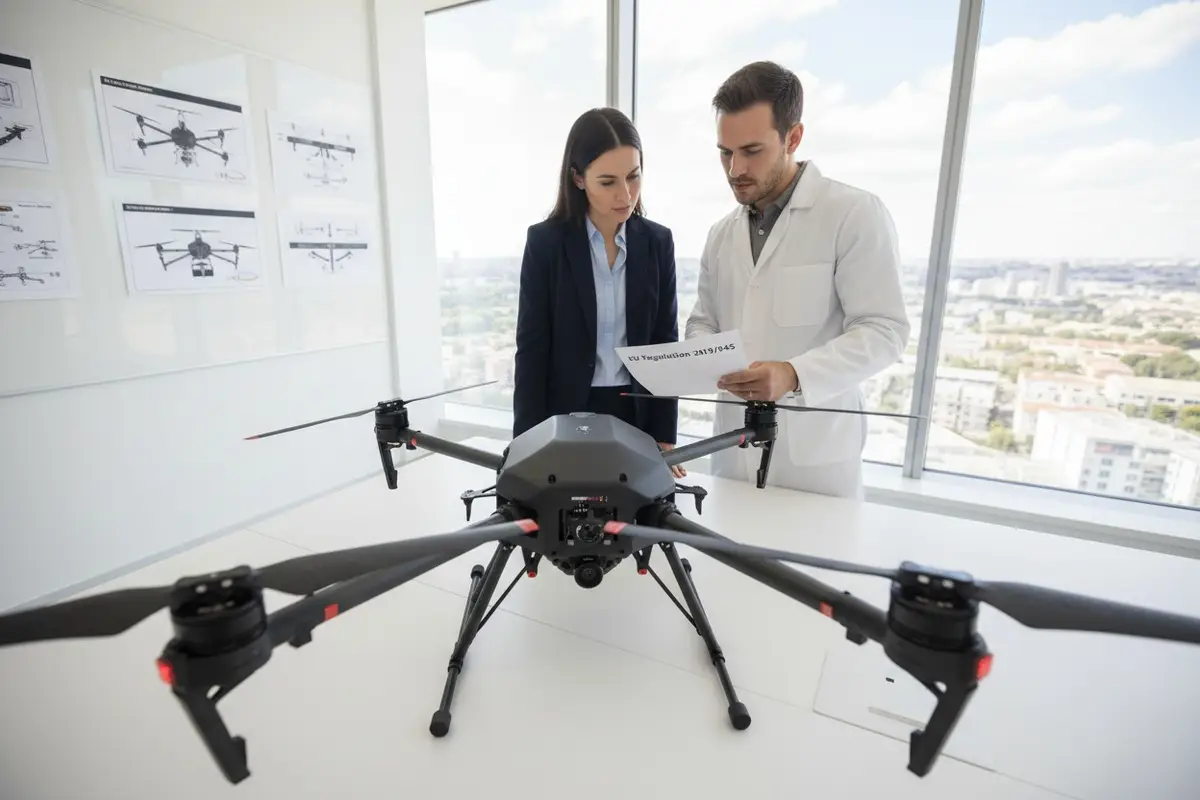
عندما صمم فريق الهندسة لدينا طائرات بدون طيار زراعية للتصدير إلى أوروبا لأول مرة، تعلمنا بسرعة أن لوائح EASA 1 الطلب يتجاوز بكثير قدرة الطيران الأساسية. يواجه العديد من المستوردين شحنات مرفوضة وتعديلات مكلفة.
تشمل المعايير الفنية الحرجة لوكالة سلامة الطيران الأوروبية (EASA) للطائرات بدون طيار الزراعية تصنيف الفئة C (خاصة C5/C6 للعمليات المحددة)، والحد الأقصى لكتلة الإقلاع أقل من 25 كجم، وأنظمة الوعي الجغرافي الإلزامية، والبث المباشر لتحديد الهوية عن بعد، ووثائق الامتثال التي تثبت المطابقة مع اللائحتين الأوروبيتين 2019/945 و 2019/947.
دعني أستعرض معك كل متطلب حتى تتمكن من الحصول على طائرات بدون طيار تجتاز الجمارك الأوروبية وتعمل بشكل قانوني في المزارع في جميع أنحاء الاتحاد الأوروبي.
كيف أتحقق من أن مورد الطائرات بدون طيار الزراعية الخاص بي يلتزم بمتطلبات الفئة "المحددة" لوكالة سلامة الطيران الأوروبية (EASA)؟
قام فريق التصدير لدينا بمعالجة مئات الشحنات إلى الموزعين الأوروبيين اللوائح الأوروبية 2019/945 و 2019/947 2. السبب الأكثر شيوعًا للرفض؟ يدعي الموردون الامتثال دون وثائق مناسبة لـ عمليات الفئة المحددة 3.
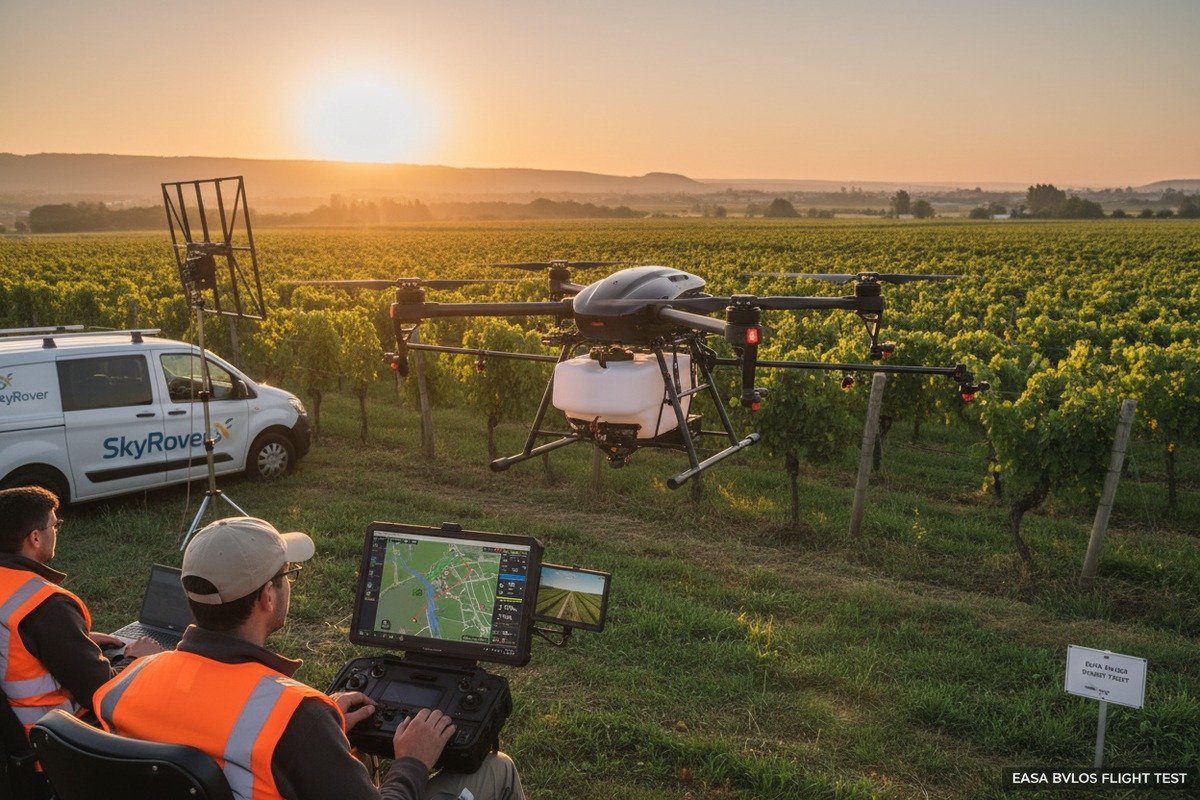
للتحقق من الامتثال لفئة معينة، اطلب وثائق التفويض التشغيلي، وتأكد من أن المورد الخاص بك يتبع بروتوكولات تقييم المخاطر المحددة مسبقًا (PDRA) مثل PDRA-S01 للرش، وتحقق من وجود شهادة نوع صالحة، وتأكد من أن الطائرة بدون طيار تلبي الحدود التشغيلية بما في ذلك القدرة على الطيران خارج خط البصر (BVLOS) حتى ارتفاع 150 مترًا ونطاق 1 كيلومتر.
فهم فئات وكالة سلامة الطيران الأوروبية الثلاث
تقسم وكالة سلامة الطيران الأوروبية عمليات الطائرات بدون طيار إلى ثلاث فئات قائمة على المخاطر بروتوكولات تقييم المخاطر المحددة مسبقًا (PDRA) 4. تغطي الفئة المفتوحة الرحلات منخفضة المخاطر بأوراق قليلة. تتعامل الفئة المحددة مع العمليات المهنية متوسطة المخاطر. تعالج الفئة المعتمدة التطبيقات عالية المخاطر مثل نقل الركاب.
تقع معظم الطائرات بدون طيار الزراعية ضمن الفئة المحددة. لماذا؟ تتضمن عمليات الرش مواد خطرة. تتطلب العديد من المزارع رحلات خارج خط البصر المرئي (BVLOS) 5. غالبًا ما تتجاوز الطائرات بدون طيار 25 كجم عند تحميلها بالكامل بالمبيدات الحشرية.
خطوات التحقق الرئيسية
عند إعداد الطائرات بدون طيار للمشترين الأوروبيين، نتبع قائمة تحقق صارمة للتحقق. يجب أن تطالب بنفس الشيء من أي مورد.
| عنصر التحقق | ما الذي يجب التحقق منه | العلم الأحمر |
|---|---|---|
| التصريح التشغيلي | تصريح ساري من هيئة الطيران الوطنية في الاتحاد الأوروبي | لم يتم تقديم رقم التصريح |
| تقييم المخاطر | وثائق SORA أو PDRA | ادعاءات السلامة العامة فقط |
| كفاءة الطيار | تم استيفاء متطلبات شهادة الطيار عن بعد | لم يتم ذكر برنامج تدريبي |
| التأمين | تغطية المسؤولية تجاه الغير | التغطية مقصورة على المناطق خارج الاتحاد الأوروبي |
| سجلات الصيانة | تاريخ الخدمة الموثق | لا يوجد جدول صيانة |
مسارات PDRA للعمليات الزراعية
تقدم EASA ثلاث مسارات للموافقة على الفئة المحددة. الأول هو السيناريوهات القياسية (STS). الثاني هو تقييم المخاطر المحدد مسبقًا (PDRA). الثالث هو تقييم مخاطر العمليات المحددة بالكامل (SORA).
للرش الزراعي، يعتبر PDRA-S01 هو شاغلك الأساسي. يسمح هذا المسار بعمليات الرش في بيئات خاضعة للرقابة. يتيح PDRA-G01 رحلات الطيران خارج خط البصر (BVLOS) حتى 1 كم في المناطق قليلة السكان.
يقوم مرفق الإنتاج لدينا في شيان بتكوين الطائرات بدون طيار خصيصًا للامتثال لـ PDRA. نقوم بتثبيت محددات الارتفاع مسبقًا على 150 مترًا. ندمج وظائف العودة التلقائية إلى المنزل. نقوم ببرمجة تحديد المناطق الجغرافية لقيود المجال الجوي الأوروبي الشائعة.
الاختلافات الوطنية التي يجب الانتباه إليها
هنا يتعثر العديد من المستوردين. توفر EASA الإطار، ولكن هناك أكثر من 20 نظامًا وطنيًا تضيف متطلباتها الخاصة. تبسط ألمانيا القواعد للطائرات بدون طيار التي يقل وزنها عن 2 كجم. تتطلب فرنسا شهادة تجارية كاملة لجميع العمليات المهنية. تتصدر هولندا الموافقات على معدل التطبيق المتغير.
قبل الانتهاء من أي أمر شراء، تأكد من أن المورد الخاص بك يفهم البلد المحدد الذي ستعمل فيه الطائرات بدون طيار. قد تحتاج طائرة بدون طيار متوافقة في ألمانيا إلى تعديلات لفرنسا.
ما هي مواصفات MTOM والمواصفات الفنية التي يجب أن أعطيها الأولوية لتلبية متطلبات تصنيف EASA C6؟
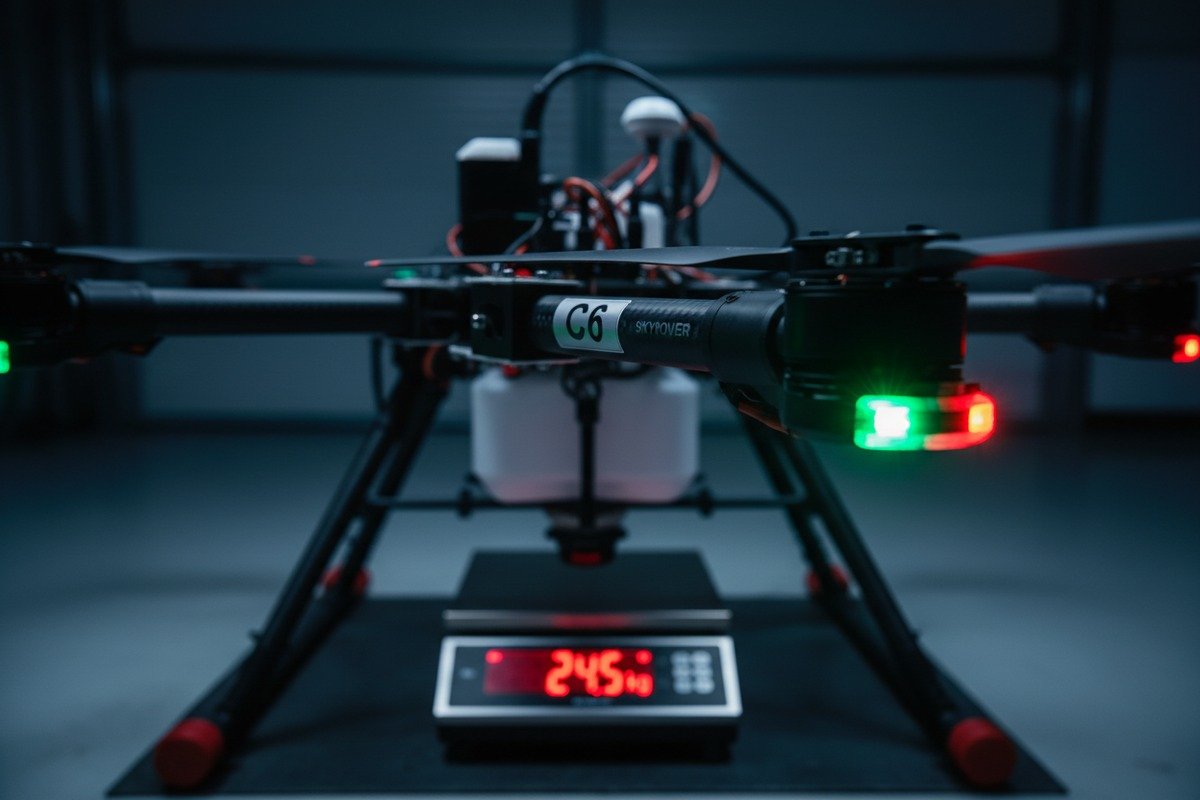
في مختبر التصميم الخاص بنا، قمنا مؤخرًا بإعادة تصميم تشكيلة طائراتنا الزراعية بالكامل لتلبية متطلبات الفئة C. تستهدف علامة C6 على وجه التحديد عمليات الرش الاحترافية ضمن الفئة المحددة. وضع علامات الفئة C6 6
لتصنيف الفئة C6، أعط الأولوية للحد الأقصى لكتلة الإقلاع أقل من 25 كجم، والحد الأقصى للأبعاد أقل من 3 أمتار، ومصدر طاقة كهربائي، ومحدد ارتفاع قابل للبرمجة يصل إلى 120 مترًا، ووضع السرعة المنخفضة أقل من 5 م/ث، ونظام الوعي الجغرافي مع تحديثات قاعدة البيانات، ومعرف عن بعد مباشر، وإضاءة واضحة للعمليات الليلية.
شرح نظام الفئة C
قدمت EASA ملصقات الفئة C من خلال اللائحة 2019/945. اعتبارًا من 1 يناير 2024، تحتاج جميع الطائرات بدون طيار الجديدة التي تدخل السوق الأوروبية إلى وضع علامات مناسبة. يتراوح النظام من C0 إلى C6.
| الفئة | حد MTOM | المتطلبات الرئيسية | الاستخدام الزراعي النموذجي |
|---|---|---|---|
| C0 | <250g | الحد الأدنى من المتطلبات | مستشعرات صغيرة فقط |
| C1 | <900g | المعرف عن بُعد، الوعي الجغرافي | مراقبة المحاصيل الأساسية |
| C2 | <أقل من 4 كجم | ميزات أمان محسّنة | مراقبة متقدمة |
| C3 | <أقل من 25 كجم | كهربائي، أبعاد أقل من 3 أمتار | رش خفيف |
| C4 | <أقل من 25 كجم | لا يُسمح بالتحكم التلقائي | عمليات يدوية |
| C5 | <أقل من 25 كجم | وضع السرعة المنخفضة، مدرك للموقع الجغرافي | عمليات STS-01 |
| C6 | <أقل من 25 كجم | مقيد أو قابل للبرمجة | رش STS-02 |
لماذا C6 مهم للرش الزراعي
تحتاج معظم الطائرات بدون طيار الزراعية الاحترافية إلى تصنيف C6. تسمح هذه الفئة بالعمليات بموجب السيناريو القياسي STS-02. يسمح STS-02 بالتحليق فوق مناطق أرضية خاضعة للرقابة في بيئات قليلة السكان.
يحقق تصميم الهيكسوكوبتر الخاص بنا الامتثال لـ C6 من خلال العديد من الميزات التقنية. يحافظ هيكل ألياف الكربون على انخفاض الوزن الفارغ. تلبي المحركات الكهربائية متطلبات الكفاءة. يتضمن وحدة التحكم في الطيران قيودًا قابلة للبرمجة على الارتفاع.
المواصفات الفنية الحرجة
عندما نقوم بتصميم طائرات بدون طيار للامتثال لـ C6، نركز على هذه المواصفات:
الحد الأقصى لكتلة الإقلاع: حافظ عليها أقل من 25 كجم بما في ذلك الحمولة. يزن نموذجنا الزراعي القياسي 15 كجم فارغًا. مع خزان المبيدات الحشرية الممتلئ، يصل إلى 24.5 كجم.
الحد الأقصى للأبعاد: يجب أن تظل أكبر مسافة بين أي نقطتين أقل من 3 أمتار. يبلغ قياس طائرتنا سداسية المراوح 2.8 متر من طرف إلى طرف مع أذرع مطوية عند 1.2 متر للنقل.
مصدر الطاقة: كهربائي فقط. لا يُسمح بمحركات الاحتراق للفئات C3-C6. نستخدم بطاريات ليثيوم بوليمر عالية السعة مصنفة لوقت طيران مدته 45 دقيقة.
محدد الارتفاع: يجب أن يكون قابلاً للبرمجة وقابلاً للقفل. يضبط نظامنا افتراضيًا على 120 مترًا ولكنه يمكن تعديله بواسطة موظفين مصرح لهم لتفويضات تشغيل محددة.
وضع السرعة المنخفضة: مطلوب للفئات C5 و C6. تتضمن طائراتنا المسيرة مفتاحًا مخصصًا يحد من السرعة الأفقية إلى 5 م/ث للعمليات الآمنة بالقرب من أطقم العمل الأرضية.
وثائق شهادة الفئة C
يجب على المورد الخاص بك تقديم وثائق محددة تثبت الامتثال للفئة C. يشمل ذلك إعلان المطابقة الأوروبي، ووضع علامة CE، والمواصفات الفنية التفصيلية التي تتطابق مع متطلبات الفئة C.
| المستند | الغرض | من يصدرها |
|---|---|---|
| 8. (DoC) هو نقطة الفحص الأولى الخاصة بك. تثبت هذه الوثيقة أن الشركة المصنعة قد اختبرت الطائرة بدون طيار وفقًا لمتطلبات الاتحاد الأوروبي. اطلب من موردك تقديم إعلان المطابقة الكامل، وليس ملخصًا. | إثبات الامتثال التنظيمي | الشركة المصنعة |
| علامة CE | ترخيص الوصول إلى السوق | الشركة المصنعة (معتمدة ذاتيًا) |
| الملف الفني | المواصفات التفصيلية | الشركة المصنعة |
| تقارير الاختبار | التحقق من الأداء | مختبر اختبار معتمد |
| دليل المستخدم | تعليمات التشغيل باللغات الأوروبية | الشركة المصنعة |
كيف يمكنني التأكد من أن طائراتي المسيرة المستوردة تتضمن ميزات EASA Remote ID وإدراك الموقع الجغرافي الإلزامية؟
عندما قام مهندسو البرامج الثابتة لدينا بتحديث برنامج الطائرات بدون طيار الخاص بنا العام الماضي، استغرق دمج الهوية عن بعد والوعي الجغرافي ثلاثة أشهر من وقت التطوير. هذه الميزات ليست إضافات اختيارية. إنها متطلبات أساسية.
تأكد من الامتثال عن طريق التحقق من قدرة بث المعرف عن بعد المباشر على تردد 2.4 جيجاهرتز، والتأكد من أن قاعدة بيانات الوعي الجغرافي تتضمن قيود المجال الجوي للاتحاد الأوروبي المحدثة، واختبار فرض حدود الارتفاع والمجال الجوي تلقائيًا، وطلب وثائق إصدار البرنامج الثابت التي تُظهر تحديثات الامتثال بعد عام 2024.
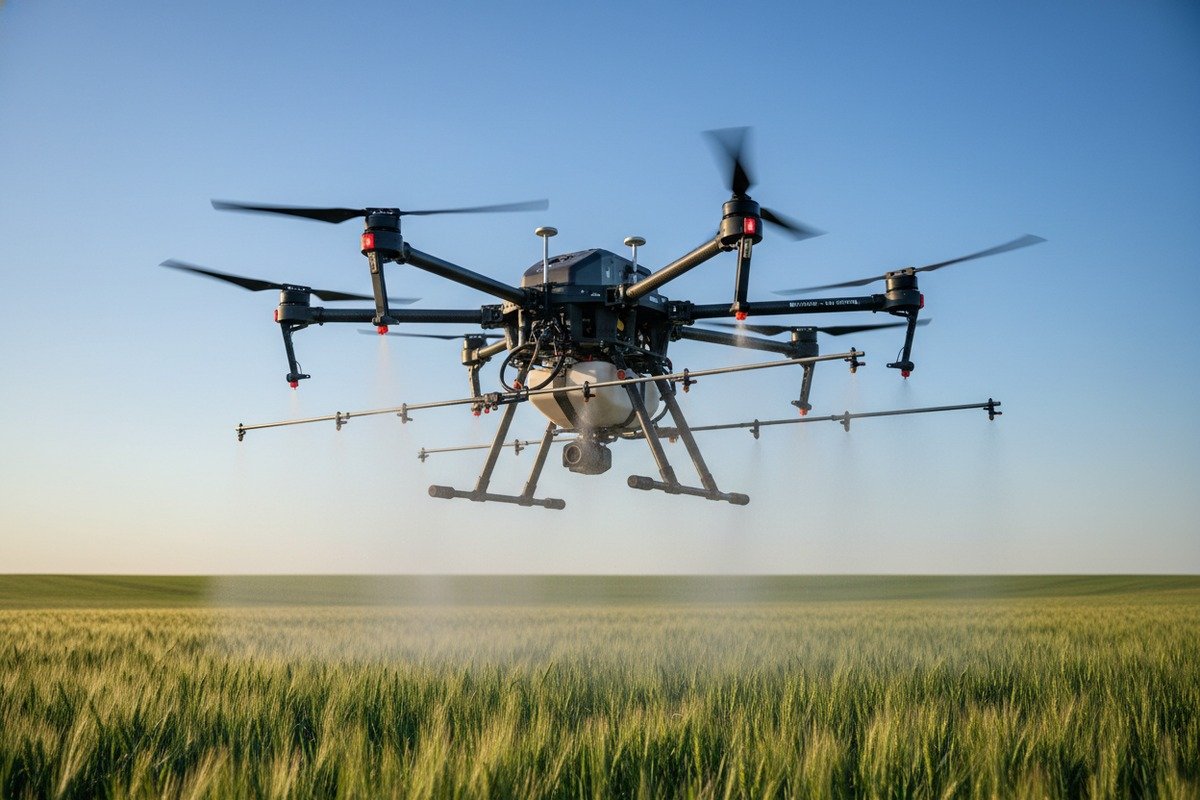
ما تفعله الهوية عن بعد بالفعل
تعمل الهوية عن بعد مثل لوحة ترخيص رقمية. تبث معلومات التعريف أثناء الطيران. يمكن للسلطات تحديد مشغلي الطائرات بدون طيار دون إيقافهم فعليًا.
تفرض EASA تحديد الهوية عن بعد المباشر لجميع الطائرات بدون طيار من الفئات C1 و C2 و C3 و C5 و C6. يبث النظام:
- رقم تسجيل الطائرة بدون طيار
- الموضع والارتفاع الحاليان
- السرعة الأرضية والاتجاه
- موقع الإقلاع
- حالة الطوارئ
تبث طائراتنا بدون طيار هذه المعلومات على تردد 2.4 جيجاهرتز القياسي. يمتد نطاق الاستقبال إلى حوالي 500 متر. يمكن لأي هاتف ذكي مزود بالتطبيق المناسب استقبال هذه البيانات.
متطلبات نظام الوعي الجغرافي
يمنع الوعي الجغرافي الطائرات بدون طيار من دخول المجال الجوي المحظور. يتضمن النظام قاعدة بيانات للمناطق المحظورة. يوفر تنبيهات ويمكنه منع انتهاكات الحدود تلقائيًا.
قامت EASA بمواءمة المناطق الجغرافية الرقمية عبر الدول الأعضاء في الاتحاد الأوروبي في عام 2022. يجب أن تتضمن طائرتك بدون طيار:
قاعدة بيانات محدثة: تحتاج قاعدة بيانات المناطق الجغرافية إلى تحديثات منتظمة. تتصل طائراتنا بدون طيار بخوادم سحابية للتحديثات التلقائية. تستخدم العمليات غير المتصلة بالإنترنت آخر قاعدة بيانات تم تنزيلها.
نظام التنبيه: يتلقى الطيارون تحذيرات مرئية وصوتية عند الاقتراب من المناطق المحظورة. تعرض واجهتنا حدود المنطقة على شاشة وحدة التحكم.
الإنفاذ التلقائي: بالنسبة للفئات C3 و C6، يجب على النظام منع الدخول إلى المناطق المحظورة. تحتفظ وحدة التحكم في الطيران الخاصة بنا تلقائيًا بالموقع عند حدود المنطقة.
اعتبارات تكامل U-Space
U-space 7 هو نظام إدارة حركة الطائرات بدون طيار الناشئ في أوروبا. بحلول عام 2026، ستحتاج الطائرات الزراعية بدون طيار التي تعمل في مناطق معينة إلى اتصال U-space.
تتضمن نماذج الإنتاج الحالية لدينا أجهزة لتكامل U-space. تدعم وحدة الاتصال بروتوكولات تبادل البيانات المطلوبة. ستمكّن تحديثات البرامج من الامتثال الكامل لـ U-space عند سريان التفويضات.
اختبار الهوية عن بعد قبل الشراء
اطلب عرضًا توضيحيًا لوظيفة الهوية عن بعد قبل إتمام أي عملية شراء. إليك ما يجب التحقق منه:
| الاختبار | النتيجة المتوقعة | مؤشر الفشل |
|---|---|---|
| اكتشاف البث | مرئي على التطبيق المعتمد من الاتحاد الأوروبي في حدود 300 متر | لم يتم اكتشاف إشارة |
| دقة البيانات | يتطابق الموضع مع إحداثيات GPS | انحراف أكثر من 10 أمتار |
| بث مستمر | تحديثات كل ثانية أثناء الطيران | إشارة متقطعة |
| عرض التسجيل | يعرض تنسيق التسجيل الصحيح | تنسيق غير صحيح أو مفقود |
| اختبار النطاق | يمكن اكتشافه حتى 500 متر في المناطق المفتوحة | فقدان الإشارة تحت 200 متر |
حالات فشل التكامل الشائعة
من واقع خبرتنا في الشحن إلى الموزعين الأوروبيين، رأينا العديد من حالات الفشل الشائعة. يضيف بعض المصنعين معرف التعريف عن بعد كفكرة لاحقة. نطاق البث لا يلبي المتطلبات. تنسيق البيانات لا يتطابق مع مواصفات EASA.
نظام الوعي الجغرافي 8تفشل بشكل مختلف. تغطي قاعدة البيانات المجال الجوي الصيني فقط. تتطلب التحديثات تدخل الشركة المصنعة بدلاً من التنزيل التلقائي. ينبه النظام الطيارين ولكنه لا يفرض الحدود.
نختبر كل طائرة بدون طيار وفقًا لمواصفات EASA قبل الشحن. تشمل مراقبة الجودة لدينا التحقق من نطاق معرف التعريف عن بعد، والتحقق من صحة قاعدة بيانات الوعي الجغرافي، واختبار الإنفاذ التلقائي.
ما هي الوثائق التي يجب أن أطلبها من الشركة المصنعة الصينية لإثبات الامتثال الفني لـ EASA؟
Our documentation team prepares export packages daily. We know exactly which papers European customs officers examine. Missing even one document can delay your shipment by weeks.
اطلب هذه المستندات: إعلان المطابقة الأوروبي، شهادة علامة CE، شهادة النوع (إن وجدت)، المواصفات الفنية التفصيلية المطابقة للفئة C المعلنة، تقارير الاختبار من مختبرات معتمدة، أدلة المستخدم باللغات الأوروبية المطلوبة، ووثائق البرامج الثابتة التي توضح الامتثال لمعرف الهوية عن بُعد والوعي الجغرافي.
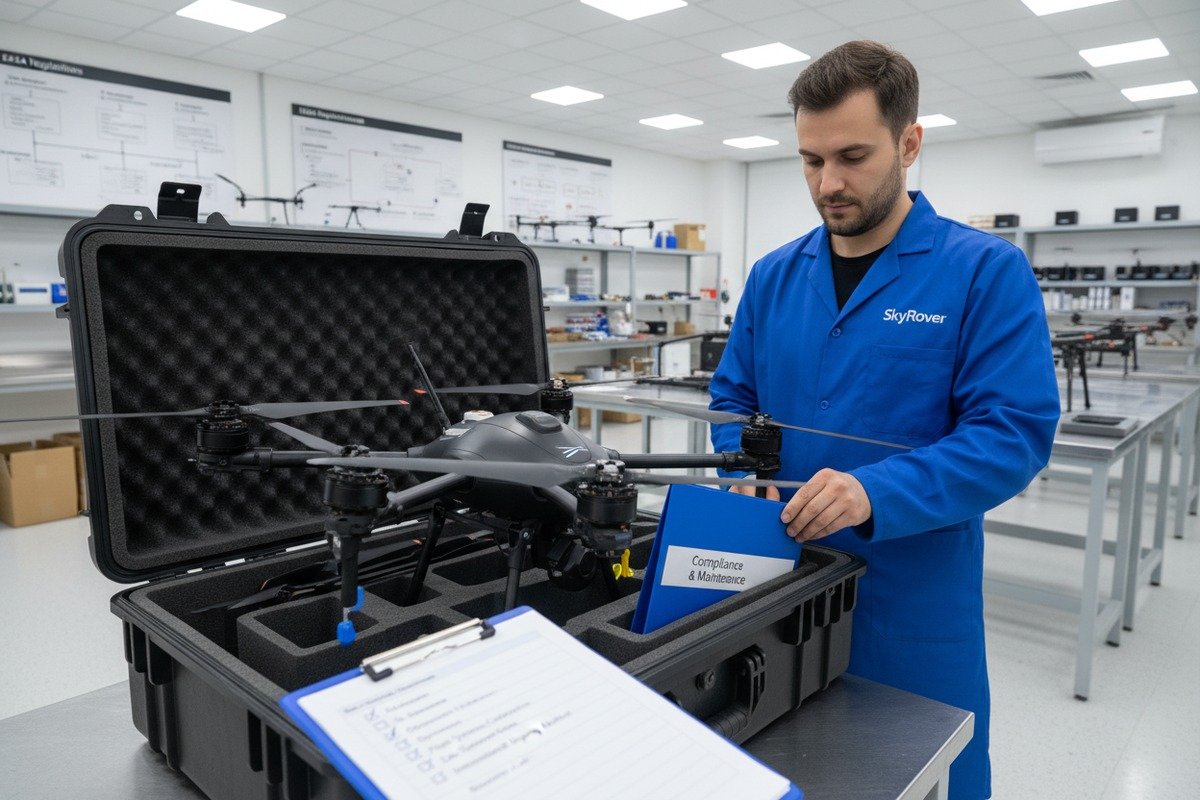
قائمة التحقق من الوثائق الأساسية
Not all Chinese manufacturers understand European requirements. Some provide documents that look official but lack legal validity. Here is what legitimate compliance documentation includes:
إعلان المطابقة من الاتحاد الأوروبي (DoC): This single-page document declares the drone meets all applicable EU regulations. The manufacturer signs it. It must reference specific regulations including 2019/945 and relevant harmonized standards.
علامة CE: The CE mark must appear on the drone, packaging, and documentation. It indicates the product meets EU safety, health, and environmental requirements.
الملف الفني: This comprehensive document describes how the drone meets each requirement. It includes design drawings, risk assessments, test results, and quality control procedures.
Test Reports and Certifications
Legitimate test reports come from accredited laboratories. Look for ISO 17025 accreditation 9. The report should reference specific EASA requirements and show pass/fail results for each test.
| نوع المستند | ما الذي يثبته | العلامات التحذيرية |
|---|---|---|
| تقرير اختبار EMC | التوافق الكهرومغناطيسي | No accreditation number |
| Radio Equipment Test | Remote ID broadcast compliance | Testing in non-EU lab |
| Safety Assessment | Risk analysis complete | Generic safety statements |
| اختبار بيئي | نطاق درجة حرارة التشغيل | ظروف اختبار محدودة |
| شهادة البطارية | تشغيل آمن للبطارية | لا توجد شهادة UN38.3 |
متطلبات اللغة
يجب أن تكون أدلة المستخدم ووثائق السلامة متاحة باللغة الرسمية لكل بلد مستهدف. تحتاج الطائرة بدون طيار التي تباع في ألمانيا إلى وثائق ألمانية. تتطلب فرنسا اللغة الفرنسية.
تتضمن حزمة التصدير القياسية لدينا أدلة باللغات الإنجليزية والألمانية والفرنسية والإسبانية والإيطالية والهولندية. يمكننا إضافة لغات إضافية بناءً على شبكة التوزيع الخاصة بك.
خطوات التحقق قبل الشراء
قبل إرسال أي وديعة، تحقق من أصالة الوثائق:
التحقق من الاعتماد: يجب أن تكون أرقام اعتماد المختبر قابلة للتحقق عبر الإنترنت. ابحث في قاعدة بيانات هيئة الاعتماد.
مقارنة المواصفات: يجب أن تتطابق مواصفات الملف الفني مع الطائرة بدون طيار الفعلية. اطلب صورًا لألواح التعريف التي تظهر أرقام الطراز.
التحقق من هوية الشركة المصنعة: يجب أن تكون الشركة التي توقع على إعلان المطابقة هي الشركة المصنعة الفعلية أو الممثل المعتمد في الاتحاد الأوروبي.
طلب عينات: إذا أمكن، احصل على وحدة عينة قبل الطلبات بالجملة. اختبر وظائف الهوية عن بعد والوعي الجغرافي بنفسك.
العمل مع فريق التوثيق لدينا
في منشأتنا في شيان، نحتفظ بملفات فنية كاملة لكل طراز طائرة بدون طيار. يضم فريق توثيق التصدير لدينا مهندسين يفهمون كلاً من معايير التصنيع الصينية والمتطلبات التنظيمية الأوروبية.
عندما تطلب منا، تتلقى حزمة توثيق كاملة. نقدم نسخًا إلكترونية قبل الشحن لمراجعتك. ترافق النسخ الورقية الطائرات بدون طيار. نحتفظ بالسجلات لمدة عشر سنوات حسب ما تتطلبه اللوائح الأوروبية.
نقدم أيضًا دعمًا لما بعد البيع للتوثيق. إذا طلبت الجمارك معلومات إضافية، يستجيب فريقنا في غضون 24 ساعة. إذا تغيرت اللوائح، نقدم وثائق محدثة للطائرات بدون طيار التي تم شراؤها سابقًا.
الخاتمة
يتطلب الحصول على طائرات بدون طيار زراعية متوافقة مع وكالة سلامة الطيران الأوروبية (EASA) الانتباه إلى تصنيف الفئة C، والهوية عن بعد، والوعي الجغرافي، والتوثيق الشامل. اعمل مع موردين يفهمون هذه المتطلبات ويمكنهم إثبات الامتثال من خلال شهادات مناسبة.
الحواشي
1. تم استبداله بقواعد وكالة سلامة الطيران الأوروبية (EASA) الرسمية سهلة الوصول لأنظمة الطائرات بدون طيار، والتي توفر لوائح شاملة وحديثة. ︎
2. نص قانوني مباشر لمتطلبات منتجات الطائرات بدون طيار وقواعد التشغيل. ︎
3. يشرح متطلبات عمليات الطائرات بدون طيار متوسطة المخاطر. ︎
4. يفصل طرق تقييم المخاطر المحددة لعمليات الطائرات بدون طيار. ︎
5. يوفر معلومات حول عمليات الطائرات بدون طيار خارج خط الرؤية (BVLOS). ︎
6. يشرح المتطلبات المحددة لتصنيف طائرات C6 بدون طيار. ︎
7. يشرح نظام إدارة حركة الطائرات بدون طيار الناشئ في أوروبا. ︎
8. يصف ميزات الوعي الجغرافي الإلزامية للطائرات بدون طيار وأهميتها. ︎
9. معيار كفاءة مختبرات الاختبار والمعايرة. ︎
 English
  Español de México
  Deutsch
  Français
  Русский
  العربية
Comments
No comments yet. Be the first to share your thoughts!
Leave a Comment