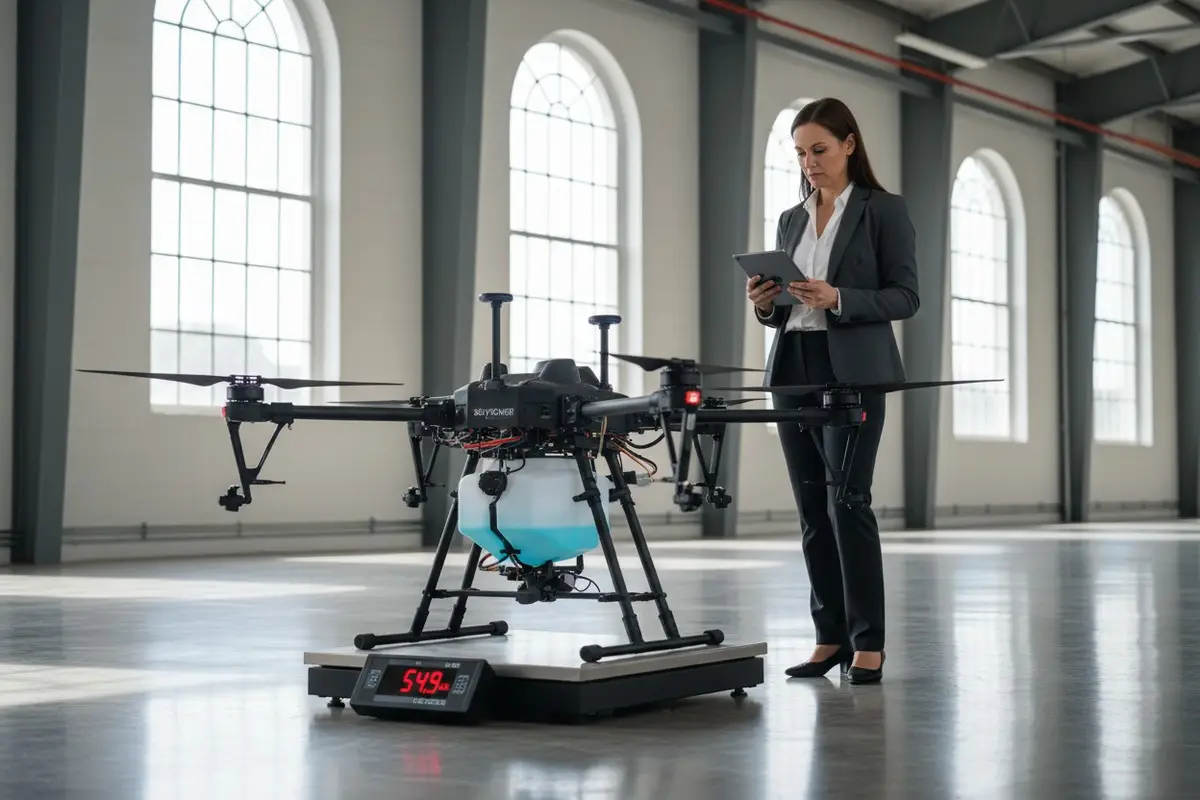
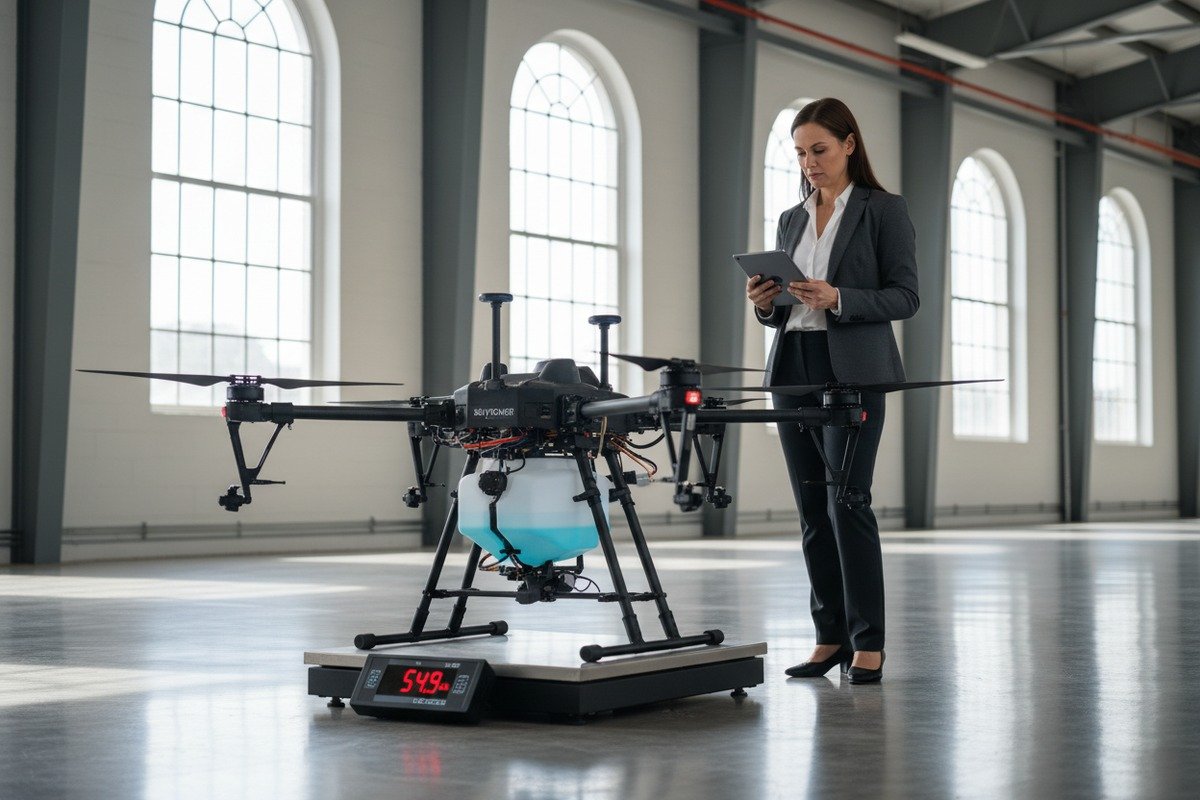
كل أسبوع، يتلقى فريق الهندسة لدينا مكالمات من مشترين أمريكيين مرتبكين بشأن حدود الوزن إعفاءات الجزء 107 1. لقد اشتروا طائرة بدون طيار من الخارج، ليكتشفوا أنها تتجاوز عتبات الإعفاء عند تحميلها بالكامل. هذا الخطأ يكلفهم شهورًا من الأعمال الورقية وآلاف الدولارات في العمليات المتأخرة.
لتقييم وزن طائرة الزراعة بدون طيار لمعايير الإعفاء لولاية أمريكية، احسب الوزن الإجمالي للإقلاع بما في ذلك هيكل الطائرة بدون طيار والبطاريات والحمولة القصوى. الطائرات بدون طيار التي يقل وزنها عن 55 رطلاً مؤهلة للحصول على إعفاءات أبسط من الجزء 107، بينما تتطلب الوحدات الأثقل تطبيقات القسم 44807. تحقق دائمًا من الوزن مع خزانات الرش الممتلئة، وليس المواصفات الفارغة.
الأقسام التالية تفصل بالضبط كيفية التحقق من الامتثال للوزن، والمستندات التي يجب طلبها، وكيف تؤثر خيارات الوزن على مسار شهادة الجزء 137 الخاص بك.
كيف أحدد ما إذا كان الوزن الفارغ لطائرتي بدون طيار يلبي معايير الإعفاء الخاصة بولاية أمريكية معينة؟
عندما نقوم بشحن طائرات بدون طيار زراعية إلى موزعين أمريكيين، فإن التحقق من الوزن هو أول محادثة نجريها تطبيقات القسم 44807 2. يركز العديد من المشترين فقط على وزن الإطار الفارغ. ينسون أن إدارة الطيران الفيدرالية تهتم بـ الحد الأقصى لوزن الإقلاع 3— وليس ما هو موجود في مستودعك متطلبات شهادة الجزء 137 4.
لتحديد ما إذا كانت طائرتك بدون طيار تلبي معايير الإعفاء في ولاية أمريكية، قم بوزن الطائرة الكاملة مع تركيب البطاريات، ثم أضف الحد الأقصى للحمولة التي تنوي استخدامها. إذا ظل هذا المجموع أقل من 55 رطلاً، فأنت مؤهل لعمليات الجزء 107. تتبع الولايات بشكل عام الحدود الفيدرالية لإدارة الطيران الفيدرالية، على الرغم من أن بعضها يتطلب تصاريح زراعية إضافية.

فهم عتبة الـ 55 رطلاً
تضع إدارة الطيران الفيدرالية حدًا صارمًا عند 55 رطلاً. يمثل هذا الرقم الحد الأقصى لوزن الإقلاع، وليس الوزن الفارغ شهادة صلاحية الطيران 5. يقدم فريق الإنتاج لدينا دائمًا مواصفاتين: وزن الإطار الفارغ والوزن التشغيلي الأقصى.
إليك سبب أهمية ذلك. قد يزن هيكل الطائرة بدون طيار 28 رطلاً فارغًا. أضف بطاريات بوزن 8 أرطال. الآن أنت عند 36 رطلاً. خزان الرش الخاص بك يحمل 4 جالونات من المبيدات الحشرية السائلة مكونات ألياف الكربون 6. يزن الماء حوالي 8.3 أرطال لكل جالون. هذا يعني 33 رطلاً من الحمولة. مجموعك؟ 69 رطلاً - أعلى بكثير من حد الإعفاء.
المعايير الحكومية مقابل الفيدرالية
لا تضع معظم الولايات الأمريكية إعفاءات وزن منفصلة. إنها تحيل إلى لوائح إدارة الطيران الفيدرالية 7. ومع ذلك، تضيف إدارات الزراعة بالولاية متطلبات الترخيص.
| الولاية | توافق إدارة الطيران الفيدرالية | المتطلبات الإضافية |
|---|---|---|
| كاليفورنيا | إحالة كاملة لإدارة الطيران الفيدرالية | ترخيص ولاية لمطبقي المبيدات |
| تكساس | إحالة كاملة لإدارة الطيران الفيدرالية | تسجيل وزارة الزراعة |
| فلوريدا | إحالة كاملة لإدارة الطيران الفيدرالية | شهادة التطبيق التجاري |
| آيوا | إحالة كاملة لإدارة الطيران الفيدرالية | تصريح المبيدات المقيدة الاستخدام |
خطوات حساب الوزن العملي
يوصي مهندسونا بهذه العملية:
- قم بوزن الطائرة بدون طيار مع جميع المكونات الجاهزة للطيران
- سجل وزن البطارية بشكل منفصل
- احسب الحد الأقصى لوزن الحمولة السائلة
- أضف سعة ناشر البذور أو الحبيبات إذا كان ذلك منطبقًا
- اجمع كل المكونات لوزن الإقلاع الحقيقي
وثائق الوزن الفارغ
عندما نبني طائرات بدون طيار للتصدير إلى الولايات المتحدة، فإننا ندرج شهادات وزن مفصلة. تسرد هذه المستندات كل مكون. يجب على المشترين طلب هذا التفصيل من أي مورد.
| المكوّن | نطاق الوزن النموذجي |
|---|---|
| إطار من ألياف الكربون | 12-25 رطلاً |
| المحركات ووحدات التحكم الإلكترونية في السرعة (ESCs) | 4-8 رطلاً |
| نظام وحدة التحكم في الطيران | 1-2 رطلاً |
| حزم البطاريات | 6-15 رطلاً |
| نظام الرش (فارغ) | 5-12 رطلاً |
| معدات الهبوط | 2-4 رطلاً |
الوزن الفارغ وحده يروي جزءًا فقط من القصة. تحتاج إلى الوزن التشغيلي لتحديد فئتك التنظيمية.
ما هي الوثائق التي يجب أن أطلبها من المورد الخاص بي للتحقق من الحد الأقصى لوزن الإقلاع للامتثال التنظيمي؟
قسم التصدير لدينا يعالج أوراق الامتثال يوميًا. لقد تعلمنا المستندات التي تحتاجها بالفعل هيئات الجمارك والهيئات التنظيمية الأمريكية. بدون وثائق مناسبة، يواجه المشترون تأخيرات في الاستيراد ورفضًا للشهادات.
اطلب هذه المستندات من المورد الخاص بك: شهادة وزن رسمية تسرد الأوزان الفارغة وأوزان الإقلاع القصوى، ورقة تفصيل المكونات، مواصفات بصيغة FAA، وثائق سعة الحمولة، وشهادات وزن البطارية. تثبت هذه السجلات الامتثال أثناء طلبات الجزء 107 أو القسم 44807 وتفي بمتطلبات الجمارك.

حزمة وثائق الوزن الأساسية
عندما يقوم فريقنا بإعداد الشحنات للعملاء الأمريكيين، نقوم بتجميع حزمة وثائق كاملة. كل وثيقة تخدم غرضًا تنظيميًا محددًا.
شهادة الوزن هي الأكثر أهمية. يجب أن تُظهر هذه الوثيقة القياسات من معدات معايرة. يستخدم فريق مراقبة الجودة لدينا موازين معتمدة بسجلات معايرة حالية. تتضمن الشهادة التاريخ ورقم الرقم التسلسلي للمعدات وتوقيع الفني.
تفصيل وزن المكونات
التفصيل الدقيق يحمي المشترين أثناء طلبات إدارة الطيران الفيدرالية (FAA). يريد الفاحصون رؤية ما يساهم بالضبط في الوزن الإجمالي. يشمل تفصيلنا القياسي:
| نوع المستند | الغرض | من يحتاجه |
|---|---|---|
| شهادة الوزن | تثبت الامتثال للوزن الإجمالي | إدارة الطيران الفيدرالية (FAA)، الجمارك |
| تفصيل المكونات | تفاصيل أوزان الأجزاء الفردية | طلبات الإعفاء من إدارة الطيران الفيدرالية (FAA) |
| مواصفات البطارية | تؤكد وزن نظام الطاقة | تسجيل الجزء 107 |
| ورقة سعة الحمولة | يعرض الحد الأقصى للحمل السائل/الصلب | شهادة الجزء 137 من القانون 137 |
| سجلات المعايرة | يتحقق من دقة القياس | مدققو إدارة الطيران الفيدرالية (FAA) |
أسئلة التحقق من المورد
اطرح على موردك هذه الأسئلة المحددة:
- ما هو معيار معايرة الميزان الذي تستخدمه؟
- هل يمكنك تقديم صور لعملية الوزن؟
- هل الوزن يشمل الملحقات القياسية؟
- ما هو هامش الخطأ في قياساتك؟
- هل ستقدم خطاب مصادقة موقعًا؟
العلامات الحمراء في التوثيق
من خلال سنوات من الخبرة في التصدير، رأينا أنماطًا إشكالية في التوثيق. انتبه لهذه العلامات التحذيرية:
- الوزن مدرج بأرقام مستديرة فقط
- لا يوجد تاريخ معايرة على الشهادات
- توقيعات فني مفقودة
- المواصفات منسوخة مباشرة من المواد التسويقية
- لا يوجد رقم تسلسلي يربط المستندات بوحدتك المحددة
يقوم الموردون الشرعيون بقياس كل وحدة إنتاج. المواصفات المنتجة بكميات كبيرة بدون التحقق الخاص بالوحدة تشير إلى اختصار في العمل.
توثيق لمسارات الإعفاء المختلفة
تتطلب تطبيقات الجزء 107 وثائق أقل شمولاً من إعفاءات القسم 44807. ومع ذلك، فإن توفير سجلات كاملة يسرع كلا العمليتين.
بالنسبة للجزء 107 مع الإعفاءات الزراعية، قم بتضمين:
- شهادة وزن توضح أقل من 55 رطلاً إجمالاً
- تأكيد التسجيل
- سجلات شهادة الطيار
بالنسبة لإعفاءات القسم 44807 للطائرات بدون طيار الأثقل:
- وثائق تفصيلية صلاحية الطيران
- دليل صيانة كامل
- سجلات اختبار الطيران
- مواصفات هندسية
كيف سيؤثر اختيار طائرة زراعية ثقيلة على قدرتي على الحصول على شهادة تشغيل الجزء 137؟
غالبًا ما يرغب عملاؤنا في أقصى سعة للحمولة. خزانات أكبر تعني رحلات إعادة تعبئة أقل. ولكن خلال الاستشارات، نشرح المفاضلات التنظيمية. تأتي القدرة على رفع الأثقال مع تعقيد في الأوراق يؤثر على الجداول الزمنية التشغيلية.
تتطلب الطائرات المسيرة الثقيلة التي تتجاوز وزنها 55 رطلاً إعفاءات بموجب القسم 44807 قبل الحصول على شهادة الجزء 137، مما يضيف 30-90 يومًا إلى الجدول الزمني للموافقة. ستحتاج إلى قائمة خاصة بالطائرات من إدارة الطيران الفيدرالية، والامتثال لـ Blanket COA 5-3-2، وربما عمليات في المجال الجوي المقيد. تعمل الطائرات المسيرة التي يقل وزنها عن 55 رطلاً على تبسيط طلبات الجزء 137 بشكل كبير.

إطار شهادة الجزء 137
يحكم الجزء 137 عمليات الطائرات الزراعية 8. ينطبق هذا على أي طائرة بدون طيار تقوم برش المبيدات الحشرية أو الأسمدة أو البذور. الوزن لا يعفيك من الجزء 137 - فهو يحدد مسارك للامتثال.
عند تصميم أنظمة الرش، نوازن بين سعة الخزان والعبء التنظيمي. يحافظ خزان بسعة 10 لترات على معظم التكوينات أقل من 55 رطلاً. يدفع خزان بسعة 38 لترًا إلى منطقة الإعفاء الثقيل.
فئات الوزن وجداول الموافقة
| فئة الوزن | مطلوب إعفاء | وقت المعالجة النموذجي | القيود التشغيلية |
|---|---|---|---|
| أقل من 55 رطلاً | الجزء 107 + الجزء 137 | 30-60 يومًا | VLOS قياسي، مؤهل لـ LAANC |
| 55 رطلاً وأكثر | القسم 44807 + الجزء 137 | 60-90 يومًا | فقاعة 500 قدم، قيود COA |
| عمليات أسراب ثقيلة | مسار الجزء 108 | يختلف حسب الفئة | حدود قائمة على السكان |
عملية الإعفاء من القسم 44807
بالنسبة للطائرات بدون طيار التي يزيد وزنها عن 55 رطلاً، تتطلب إدارة الطيران الفيدرالية (FAA) دراسات جدوى مفصلة للسلامة. يساعد فريق الهندسة لدينا العملاء في إعداد هذه الطلبات. تتضمن العملية:
- تقديم طلب استثناء مع تحليل السلامة
- تقديم مواصفات الطائرات ووثائق الوزن
- إثبات السلامة المكافئة لعمليات الطائرات المأهولة
- استلام قائمة الطائرات في سجل إدارة الطيران الفيدرالية (FAA)
- الحصول على موافقة التشغيل
تستغرق هذه العملية وقتًا. يجب على المشترين الذين يرغبون في النشر الميداني الفوري النظر في تكوينات أقل من 55 رطلاً.
القيود التشغيلية للطائرات بدون طيار الثقيلة
تواجه الطائرات بدون طيار الثقيلة قيودًا على المجال الجوي تتجنبها الطائرات الأخف وزنًا. يتطلب شرط الفقاعة الجانبية البالغة 500 قدم الحفاظ على مسافة من الأشخاص غير المشاركين. يحد تصريح التشغيل العام (COA) 5-3-2 من العمليات في مجال جوي خاضع للرقابة.
هذه القيود أقل أهمية للعمليات الزراعية عن بعد. تواجه المزارع الكبيرة في المناطق الريفية تعقيدًا ضئيلًا في المجال الجوي. لكن المشترين الذين يخدمون العقارات الزراعية في الضواحي يواجهون المزيد من القيود.
تحليل التكلفة والفائدة
نساعد العملاء في تقييم ما إذا كانت سعة الرفع الثقيلة تبرر التعقيد التنظيمي:
مزايا الرفع الثقيل (55+ رطلاً):
- تغطية رش أكبر لكل رحلة
- عدد أقل من تبديلات البطارية
- سعة بذور/أسمدة أعلى
- مقاومة أفضل للرياح
العيوب:
- معالجة أطول للإعفاءات
- وثائق أكثر شمولاً
- قيود المجال الجوي
- أقساط تأمين أعلى
- متطلبات صيانة أكثر تعقيدًا
اعتبارات مستقبلية للجزء 108
الجزء 108، الذي تم الانتهاء منه في أوائل عام 2026، يغير المشهد للطائرات الزراعية الثقيلة. تتيح هذه القاعدة عمليات BVLOS بناءً على فئات السكان. تقع المناطق الزراعية الريفية ضمن الفئة 1 - الأقل تقييدًا.
يفكر المشترون الأذكياء في اللوائح المستقبلية عند الشراء. قد تعمل طائرة بدون طيار ثقيلة تتطلب إعفاءات واسعة اليوم بحرية بموجب قواعد الجزء 108 غدًا.
هل يمكنني تخصيص التكوين المادي للطائرة بدون طيار الخاصة بي للبقاء تحت حد 55 رطلاً لتسهيل النشر في الولايات المتحدة؟
يعمل مهندسو التصميم لدينا مع العملاء بشأن هذا التحدي بالضبط. يحتاج العديد من المشغلين الزراعيين إلى قدرة حمولة كبيرة ولكنهم يريدون بساطة الجزء 107. غالبًا ما يكمن الحل في خيارات التكوين الذكية أثناء عملية الطلب.
نعم، يمكنك تخصيص أجهزة الطائرات بدون طيار للبقاء تحت 55 رطلاً من خلال مواد إطار أخف، وتكوينات بطارية أصغر، وأحجام خزانات مخفضة، وأنظمة حمولات معيارية. اعمل مع الشركة المصنعة الخاصة بك لتحديد مكونات ألياف الكربون، وتحسين حجم المحرك، واختيار سعة الخزان المناسبة التي تحافظ على الحد الأقصى لوزن الإقلاع متوافقًا.

استراتيجيات التكوين للامتثال للوزن
عندما يطلب العملاء تكوينات أقل من 55 رطلاً، يقوم فريقنا بتقييم كل مكون. التغييرات الصغيرة تتراكم لتوفير كبير في الوزن.
اختيار مادة الإطار هو الأهم. تزن هياكلنا القياسية من ألياف الكربون أقل بنسبة 30-40% من هياكل الألومنيوم المكافئة. تزداد التكلفة، ولكن بساطة اللوائح غالبًا ما تبرر العلاوة.
خيارات تحسين وزن المكونات
| المكوّن | الخيار القياسي | خيار خفيف الوزن | توفير الوزن |
|---|---|---|---|
| الإطار | سبائك الألومنيوم | ألياف الكربون | 3-5 أرطال |
| المحركات | الكفاءة القياسية | كفاءة عالية | 1-2 رطلاً |
| البطارية | سعة عالية | سعة محسّنة | 2-4 رطلاً |
| خزان | 20 لتر قياسي | 10 لتر مدمج | 8-12 أرطال (وزن الماء) |
| معدات الهبوط | فولاذ | مركب كربوني | 1-2 رطلاً |
مقايضات سعة الخزان
يخلق خزان الرش أكبر متغير في الوزن. يزن الماء حوالي 8.3 أرطال لكل جالون. يضيف خزان سعة 5 جالون (20 لتر) أكثر من 40 رطلاً عند امتلائه.
تتيح أنظمة الخزانات المعيارية الخاصة بنا للمشغلين اختيار السعة بناءً على المهمة. خزان بسعة 2.5 جالون يحافظ على معظم التكوينات أقل من 55 رطلاً إجمالاً. يقوم المشغلون برحلات إعادة تعبئة أكثر ولكنهم يتجنبون متطلبات الإعفاء الثقيلة.
تأثير تكوين البطارية
يؤثر اختيار البطارية بشكل كبير على الوزن الإجمالي. يمكن لفريق الهندسة لدينا تحديد حزم بطاريات أصغر تقلل الوزن مع الحفاظ على وقت طيران كافٍ.
ضع في اعتبارك هذه المقارنة:
- التكوين القياسي: بطارية 6S 22000mAh = 12 رطلاً
- التكوين الأمثل: بطارية 6S 16000mAh = 9 رطلاً
- فرق وقت الطيران: حوالي 8-10 دقائق
بالنسبة لعمليات الحقول الصغيرة، قد تكون أوقات الطيران الأقصر مقبولة. البساطة التنظيمية تفوق الإزعاج التشغيلي.
أنظمة حمولة معيارية
نقوم بتصميم طائرات بدون طيار مع حوامل حمولة سريعة التحرير. تتيح هذه الميزة للمشغلين التبديل بين التكوينات:
- خزان رش خفيف لعمليات الجزء 107
- خزان ثقيل لعمليات التصريح بالقسم 44807
- مرفق ناشر البذور
- حمولة مستشعر رسم الخرائط
يمكن لمنصة طائرة بدون طيار واحدة أن تخدم فئات تنظيمية متعددة اعتمادًا على تكوين المهمة.
العمل مع المورد الخاص بك
أثناء عملية الطلب، قم بتوصيل متطلبات الوزن الخاصة بك بوضوح. قم بتزويد المورد الخاص بك بـ:
- الوزن المستهدف الأقصى للإقلاع
- الحد الأدنى لسعة الحمولة المطلوبة
- مدة الرحلة المتوقعة
- تفاصيل البيئة التشغيلية
يستخدم فريق المبيعات لدينا هذه المعلومات للتوصية بالتكوينات المثلى. يمكننا تعديل المواصفات أثناء الإنتاج بدلاً من بعد التسليم.
اعتبارات الامتثال للجنة الاتصالات الفيدرالية (FCC)
تقيد اللوائح ما بعد عام 2025 مكونات طائرات بدون طيار أجنبية معينة. يتطلب قانون تفويض الدفاع الوطني (NDAA) مكونات أمريكية بنسبة 60% للتصنيف "المحلي". يؤثر هذا على خيارات التخصيص.
يجب على المشترين التحقق من أن التكوينات المخصصة تحافظ على الامتثال لمعايير وزن إدارة الطيران الفيدرالية (FAA) ولوائح معدات لجنة الاتصالات الفيدرالية (FCC). يتتبع فريقنا هذه المتطلبات وينصح العملاء وفقًا لذلك.
الخاتمة
يتطلب تقييم وزن طائرات الزراعة بدون طيار للامتثال الأمريكي فهم الوزن الإجمالي للإقلاع، وليس فقط المواصفات الفارغة. اطلب وثائق كاملة من المورد الخاص بك، وفكر في كيفية تأثير الوزن على جداول شهادات الجزء 137، واستكشف خيارات التخصيص لتحسين الوضع التنظيمي. يوفر قرار التكوين الصحيح الذي تم اتخاذه أثناء الشراء أشهرًا من الأعمال الورقية وآلاف الدولارات في التأخير التشغيلي.
الحواشي
1. صفحة إدارة الطيران الفيدرالية الرسمية لتنازلات واستثناءات الجزء 107. ︎
2. يشرح السلطة الخاصة لإدارة الطيران الفيدرالية لأنظمة الطائرات بدون طيار معينة. ︎
3. يحدد الحد الأقصى للوزن الحرج لعمليات الطائرات بدون طيار بموجب لوائح إدارة الطيران الفيدرالية. ︎
4. صفحة السجل الفيدرالي الإلكتروني الرسمية للجزء 137، والتي توضح عمليات الطائرات الزراعية ومتطلبات الشهادات. ︎
5. مقال إعلامي يشرح شهادة صلاحية الطيران للطائرات بدون طيار، وهو مصطلح أكثر دقة لـ ‘شهادات الوزن’ في هذا السياق. ︎
6. تفاصيل استخدام وفوائد ألياف الكربون في التصميم الهيكلي للطائرات بدون طيار. ︎
7. يقدم نظرة عامة على قواعد إدارة الطيران الفيدرالية للطائرات بدون طيار. ︎
8. النص القانوني الرسمي الذي يحدد وينظم عمليات الطائرات الزراعية. ︎

 English
  Español de México
  Deutsch
  Français
  Русский
  العربية
Comments
No comments yet. Be the first to share your thoughts!
Leave a Comment