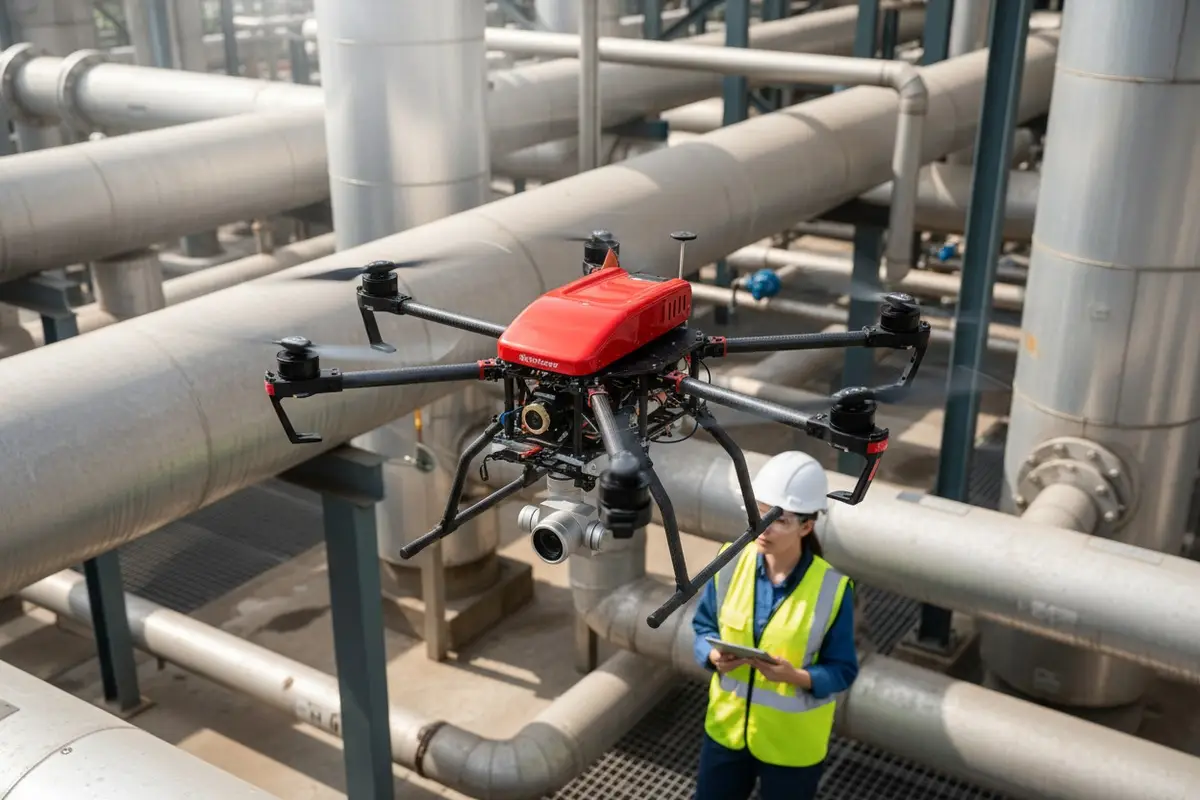
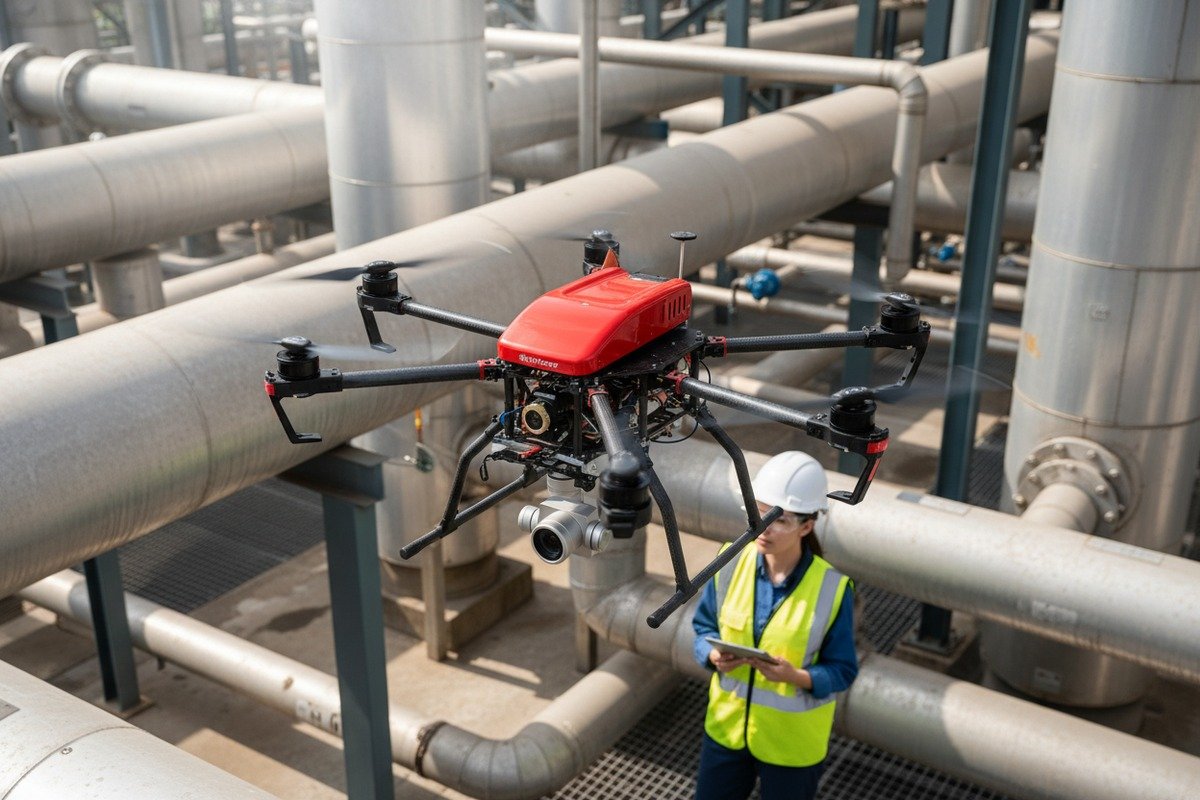
Every week, our engineering team reviews incident reports from chemical plant fires. One wrong turn near a pressurized pipeline 1 can trigger a catastrophe. The stakes for reliable obstacle avoidance are life and death.
To evaluate firefighting drone obstacle avoidance reliability in chemical plants, test sensor performance under smoke and heat, verify multi-directional detection coverage, assess AI response times to dynamic obstacles, check compliance with industrial safety standards, and validate system redundancy through simulated hazmat scenarios.
This guide breaks down the exact steps you need. We will cover sensor technologies, testing methods, required documentation, and customization options. Let us dive into what really matters for safe drone operations in hazardous environments.
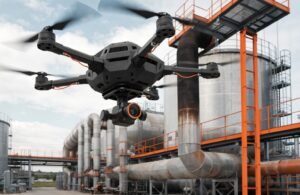
When we design our flight control systems, we spend months testing different sensor combinations. Chemical plants present unique challenges. Dense piping, suspended tanks, and narrow corridors demand precision detection from every angle.
Look for drones equipped with multi-sensor fusion systems combining LiDAR, stereo vision cameras, ultrasonic sensors, and millimeter-wave radar. These technologies must provide 360-degree detection coverage with minimum 10-15 meter range to navigate safely through complex chemical plant piping networks.

Understanding Sensor Fusion Technology
No single sensor works perfectly in all conditions. LiDAR 2 excels at mapping solid structures but struggles with reflective surfaces. Cameras provide rich visual data but fail in smoke. Ultrasonic sensors detect close obstacles but have limited range. Millimeter-wave radar 3 penetrates smoke but offers lower resolution.
Our engineers integrate multiple sensor types into one system. The flight controller processes data from all sources simultaneously. This approach creates redundancy. If one sensor fails, others compensate.
Key Sensor Types for Chemical Plant Navigation
| Sensor Type | Detection Range | Best Use Case | Limitations |
|---|---|---|---|
| LiDAR | 15-30 meters | 3D mapping of structures | Struggles with glass and water |
| Stereo Vision | 10-20 meters | Object classification | Fails in low light and smoke |
| Ultrasonic | 1-5 meters | Close proximity detection | Limited range, affected by wind |
| Millimeter-Wave Radar | 20-40 meters | All-weather detection | Lower resolution than LiDAR |
| Infrared | 5-15 meters | Heat source detection | Cannot detect cold obstacles |
Detection Coverage Requirements
Six-direction sensing is the minimum standard for industrial applications. Top, bottom, front, back, left, and right detection prevents collisions from any angle. Some advanced models offer diagonal detection zones for even better coverage.
In our testing facilities, we simulate chemical plant environments with mock piping at various heights. Drones must detect horizontal pipes at head height and vertical risers extending from floor to ceiling. The system should identify obstacles at least 10 meters away to allow sufficient stopping distance.
Processing Speed Matters
Sensor data means nothing without fast processing. When our drones approach obstacles at 5 meters per second, the system has roughly 2 seconds to detect, process, and react. Anything slower risks collision.
Look for specifications showing obstacle detection refresh rates of at least 10 Hz. This means the system updates its understanding of the environment 10 times per second. Higher rates provide smoother navigation in cluttered spaces.
Integration with Thermal and Gas Sensors
Modern firefighting drones combine obstacle avoidance with hazmat detection 4. The same sensor array that prevents collisions can identify gas leaks and heat sources. This integration creates a complete situational awareness package.
When evaluating drones, ask about data sharing between navigation sensors and payload sensors. Seamless integration means the drone can automatically avoid both physical obstacles and detected chemical plumes.
How can I test if the obstacle avoidance system remains reliable under heavy smoke and extreme heat conditions?
Our quality control team runs every drone through environmental stress tests 5 before shipment. We have learned that laboratory performance rarely matches real-world conditions. Smoke, heat, and chemical vapors degrade sensor accuracy in ways that specifications do not reveal.
Test obstacle avoidance reliability by conducting controlled smoke chamber trials, thermal stress tests up to the drone's rated temperature limits, and simulated chemical plant scenarios with representative obstacles. Measure detection accuracy, response time degradation, and false positive rates under each condition.
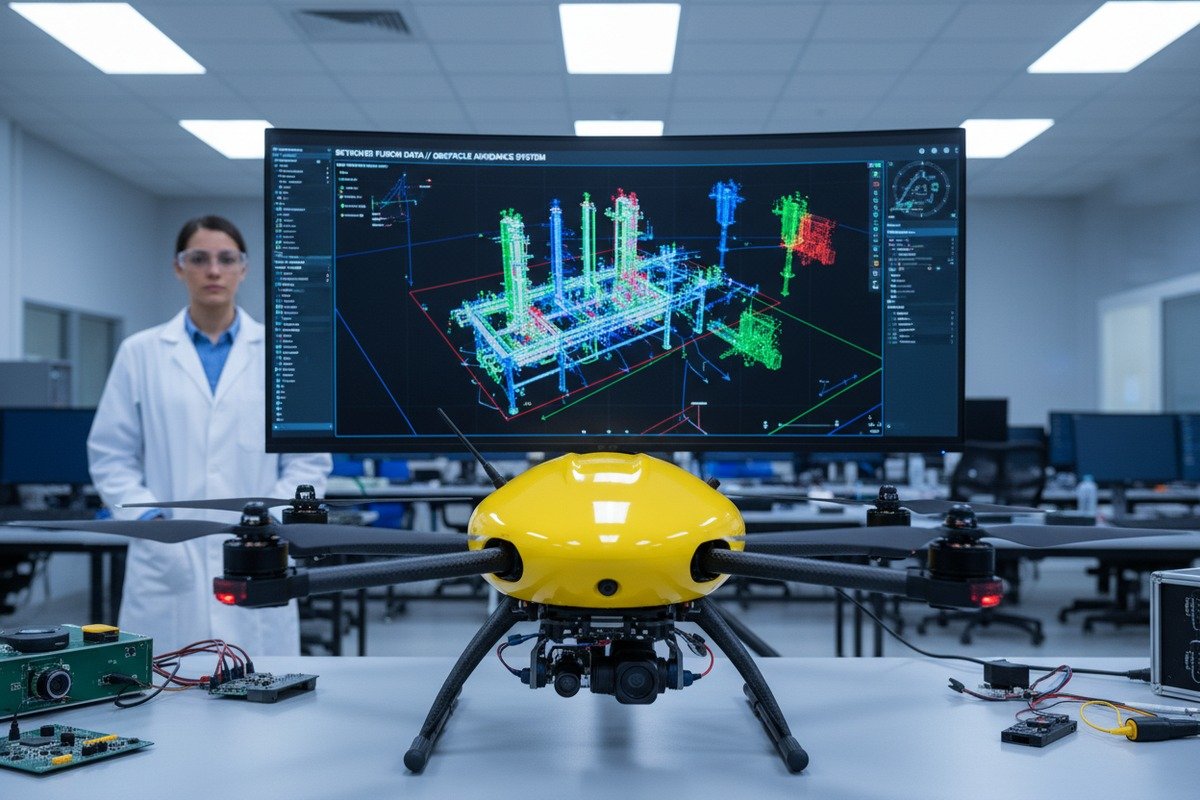
Building a Comprehensive Test Protocol
Start with baseline testing in clear conditions. Record detection distances, response times, and navigation accuracy. These numbers become your reference point for measuring degradation under stress.
Next, introduce single variables. Test in smoke alone, then heat alone, then combined conditions. This approach identifies which environmental factor causes the most performance loss.
Smoke Testing Methods
Create controlled smoke environments using theatrical smoke machines or controlled burns. Measure smoke density using visibility meters. Chemical plant fires produce smoke with specific characteristics. Oil-based smoke behaves differently than wood smoke.
| Smoke Density Level | Visibility | Expected Sensor Impact | Test Duration |
|---|---|---|---|
| Light | 10+ meters | Minimal degradation | 15 minutes |
| Moderate | 5-10 meters | Camera systems affected | 15 minutes |
| Heavy | 2-5 meters | Most optical sensors fail | 10 minutes |
| Extreme | Under 2 meters | Only radar/ultrasonic work | 5 minutes |
Record detection accuracy at each density level. Acceptable drones should maintain at least 80% detection accuracy in moderate smoke conditions.
Thermal Stress Testing
Chemical plant fires generate extreme heat. Surface temperatures can exceed 200°C near active flames. The drone body itself may reach 60-80°C during extended operations.
Test in thermal chambers with graduated temperature increases. Monitor sensor accuracy as temperatures rise. Most optical systems begin degrading above 50°C. Electronic components may malfunction above rated limits.
Pay special attention to LiDAR performance. Heat shimmer creates false readings. The system may detect non-existent obstacles or miss real ones. This phenomenon intensifies closer to heat sources.
Real-World Simulation Testing
Build mock chemical plant environments with representative obstacles. Include suspended pipes at various heights, vertical columns, and narrow passages. Add smoke generators and heat sources to simulate fire conditions.
Run the drone through navigation courses multiple times. Calculate collision rates and near-miss incidents. A reliable system should complete courses without collision in at least 95% of attempts under moderate stress conditions.
Documenting Test Results
Create detailed records of all testing. Include environmental measurements, drone performance data, and any anomalies observed. This documentation proves valuable for warranty claims, insurance purposes, and regulatory compliance.
Video record all tests from multiple angles. Footage provides evidence of system behavior that data alone cannot capture. We include test videos with every drone we ship to industrial clients.
Long-Term Degradation Assessment
Sensors accumulate damage from repeated exposure. Soot deposits on camera lenses. Heat cycles stress electronic connections. Corrosive vapors attack metal components.
Run identical tests after 10, 50, and 100 hours of simulated chemical plant operations. Compare results against baseline measurements. Acceptable degradation rates should not exceed 5% performance loss per 50 operating hours.
What documentation should I request from my manufacturer to prove their drone's collision-avoidance capabilities meet industrial standards?
When we prepare export documentation for US and European clients, we compile extensive certification packages. Procurement managers face real liability if equipment fails during emergencies. Proper documentation protects everyone involved.
Request third-party test reports, compliance certificates for relevant standards (ASTM, ISO, IP ratings), sensor calibration records, failure mode analysis documentation, and performance data from simulated industrial scenarios. Verify EMC/EMI testing confirms operation in electromagnetically dense environments.
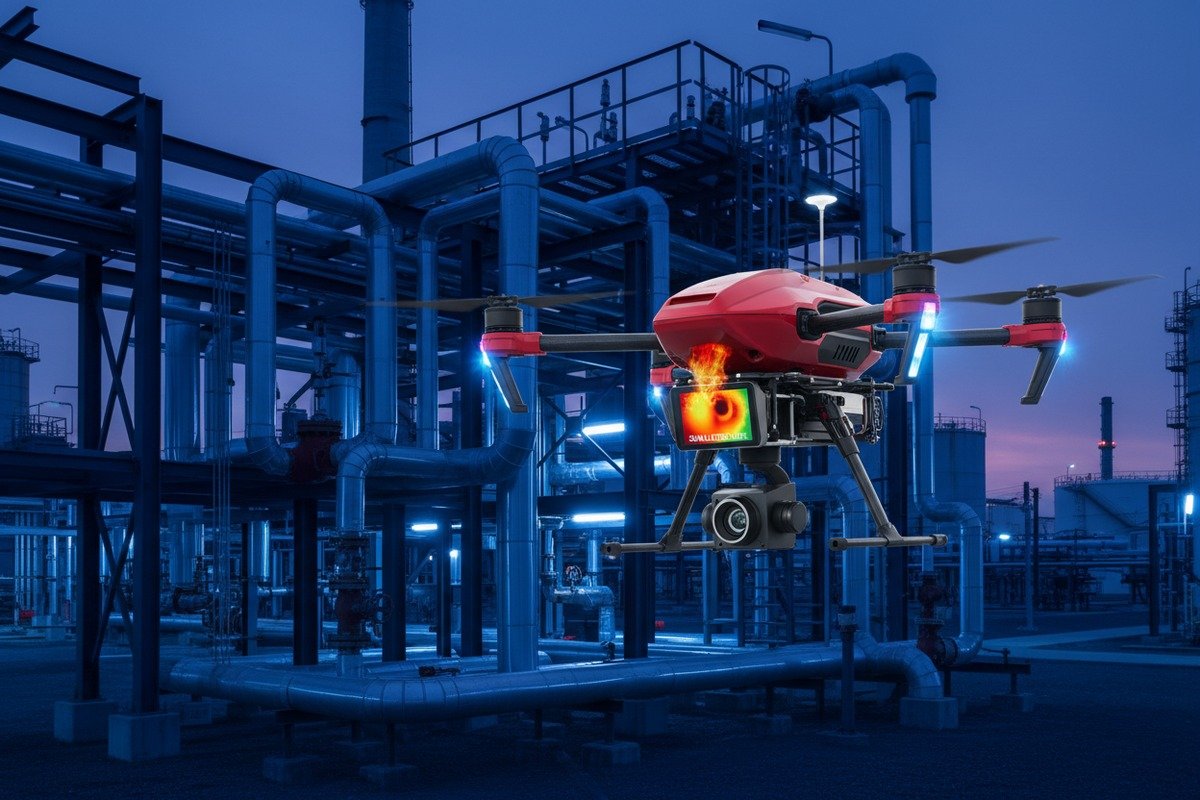
Essential Certification Documents
Different markets require different certifications. Understanding which documents matter for your jurisdiction prevents delays and ensures legal compliance.
| Document Type | Purpose | Issuing Authority | Validity Period |
|---|---|---|---|
| CE Marking | European market access | Notified Body | Indefinite with compliance |
| FCC Certification | US radio frequency approval | FCC or accredited lab | Ongoing compliance |
| IP Rating Certificate | Environmental protection level | Third-party lab | Per design version |
| EMC Test Report | Electromagnetic compatibility | Accredited EMC lab | Per design version |
| ASTM Compliance Report | Aviation safety standards | Accredited test facility | Annual review |
Understanding IP Ratings for Chemical Plants
IP ratings 6 indicate protection against dust and water. Chemical plants demand IP55 or higher. The first digit (5) means dust-protected. The second digit (5) means protection against water jets.
However, standard IP ratings do not address corrosive chemicals. Request additional documentation showing material compatibility with common industrial chemicals. This includes resistance to acids, bases, and organic solvents.
Third-Party Test Reports
Manufacturer claims require independent verification. Third-party test reports from accredited laboratories provide unbiased performance data.
Look for test reports covering obstacle detection accuracy at various ranges, response time measurements under different conditions, and false positive/negative rates. Reports should include test methodology descriptions and environmental conditions during testing.
Sensor Calibration Records
Each sensor requires calibration before installation. Calibration records show the drone left the factory with properly configured sensors.
Request calibration certificates for LiDAR units, camera systems, and proximity sensors. These documents should include calibration dates, reference standards used, and measured accuracy values.
Failure Mode Analysis Documentation
Manufacturers should provide Failure Mode and Effects Analysis 7 (FMEA) documentation. This shows they have identified potential failure points and implemented mitigation strategies.
Key questions to ask: What happens if the primary obstacle sensor fails? How does the system respond to conflicting sensor data? What emergency procedures activate during system malfunctions?
EMC/EMI Test Documentation
Chemical plants contain numerous electromagnetic interference sources. Motor drives, radio communications, and high-voltage equipment create challenging RF environments.
EMC test reports 8 should demonstrate the drone operates correctly when exposed to electromagnetic fields typical of industrial settings. EMI reports show the drone does not interfere with plant communication systems.
Cybersecurity Documentation
Modern drones are networked devices. Obstacle avoidance systems rely on software that could be compromised.
Request documentation of cybersecurity testing, including penetration testing results, encryption standards for data transmission, and procedures for firmware updates. This protects against hacking attempts that could disable safety systems.
Can I work with a supplier to customize the obstacle avoidance software for my specific facility's hazardous zone requirements?
Our development team collaborates with industrial clients on customization projects regularly. Standard obstacle avoidance works for general applications. Chemical plants need specialized configurations that account for facility-specific hazards.
Yes, reputable manufacturers offer obstacle avoidance software customization including facility-specific no-fly zones, chemical plume avoidance integration, custom detection sensitivity settings, and plant layout mapping. Request engineering consultation to define requirements and establish development timelines and costs.

Types of Available Customizations
Software customization ranges from simple parameter adjustments to complete algorithm modifications. Understanding the options helps you request appropriate solutions.
Facility Mapping Integration
The most common customization involves loading your plant's CAD drawings 9 into the drone navigation system. This gives the drone prior knowledge of permanent structures.
With facility maps loaded, the drone distinguishes between expected obstacles (known pipes and tanks) and unexpected obstacles (debris or personnel). This reduces false alarms while maintaining sensitivity to genuine hazards.
Hazardous Zone Programming
Chemical plants have defined hazardous zones with different risk levels. Customize the drone to behave differently in each zone.
| Zone Type | Risk Level | Recommended Drone Behavior | Customization Options |
|---|---|---|---|
| Safe Zone | Low | Normal operation | Standard avoidance |
| Restricted Zone | Medium | Increased caution | Enhanced sensitivity |
| Explosion Risk Zone | High | Limited access | Automatic retreat on detection |
| No-Fly Zone | Critical | Prohibited entry | Hard boundary enforcement |
Chemical Plume Integration
Advanced customization connects obstacle avoidance with chemical detection systems. The drone treats detected chemical plumes as obstacles to avoid.
This requires integrating gas sensor data with the path planning algorithm. The system must calculate plume dispersion patterns and plan routes that minimize exposure while completing the mission.
Human-in-the-Loop Override Systems
Emergency situations require human judgment. Customize override capabilities that let operators guide the drone through situations the autonomous system cannot handle.
Semi-autonomous modes allow operators to set waypoints while the drone handles obstacle avoidance between points. Full manual override disables autonomous avoidance for situations requiring human control.
Development Process and Timeline
Customization projects follow structured development processes. Initial consultation defines requirements and feasibility. Engineering assessment determines technical approach and resource requirements.
Typical development timelines range from 4 weeks for parameter adjustments to 6 months for major algorithm modifications. Request detailed project plans with milestones and deliverables.
Testing and Validation Requirements
Custom software requires extensive testing before deployment. Manufacturers should provide test plans covering all customized functions.
We conduct factory acceptance testing before shipment. Site acceptance testing verifies performance in your actual facility. Both test phases should involve your operations team.
Ongoing Support and Updates
Custom software creates ongoing support relationships. Clarify support terms before project initiation.
Ask about response times for bug fixes, procedures for requesting enhancements, and compatibility with future hardware updates. Written service level agreements protect both parties.
Cost Considerations
Customization costs vary widely based on complexity. Simple parameter changes may be included in purchase price. Major developments require engineering fees and extended timelines.
Request detailed quotations breaking down development costs, testing costs, and ongoing support costs. Compare total cost of ownership rather than initial development fees alone.
Conclusion
Evaluating firefighting drone obstacle avoidance reliability requires systematic testing and proper documentation. Work closely with manufacturers who understand chemical plant requirements and can provide customization support.
Footnotes
1. Provides information on the safety and operation of pressurized pipelines. ↩︎
2. Explains LiDAR technology, its principles, and diverse applications. ↩︎
3. Replaced HTTP 404 PDF link with an authoritative Wikipedia page explaining millimeter-wave sensing. ↩︎
4. Replaced HTTP 404 link with a resource on hazmat field testing and detection methods. ↩︎
5. Replaced HTTP unknown link with an authoritative Wikipedia page defining environmental stress screening. ↩︎
6. Replaced HTTP 403 link with an authoritative Wikipedia page explaining IP codes (Ingress Protection ratings). ↩︎
7. Provides guidance on FMEA methodology for identifying and mitigating potential failures. ↩︎
8. Information on equipment authorization and electromagnetic compatibility (EMC) requirements. ↩︎
9. Replaced HTTP 404 link with an authoritative Wikipedia page defining Computer-aided design (CAD). ↩︎
 English
  Español de México
  Deutsch
  Français
  Русский
  العربية
Comments
No comments yet. Be the first to share your thoughts!
Leave a Comment